

Mind the Gap: Owners Corporation 1 Plan No. PS 640567Y v Shangri‑La Construction Pty Ltd [2026] VSC 117
Introduction
A recent decision of the Supreme Court of Victoria poses an important question for the construction sector in particular: where statutory and/or strict liability regimes which concern actions taken by directors or officers are not covered by professional indemnity (“PI”) insurance, is directors’ and officers’ (“D&O”) insurance able to plug any gap in cover?
Background
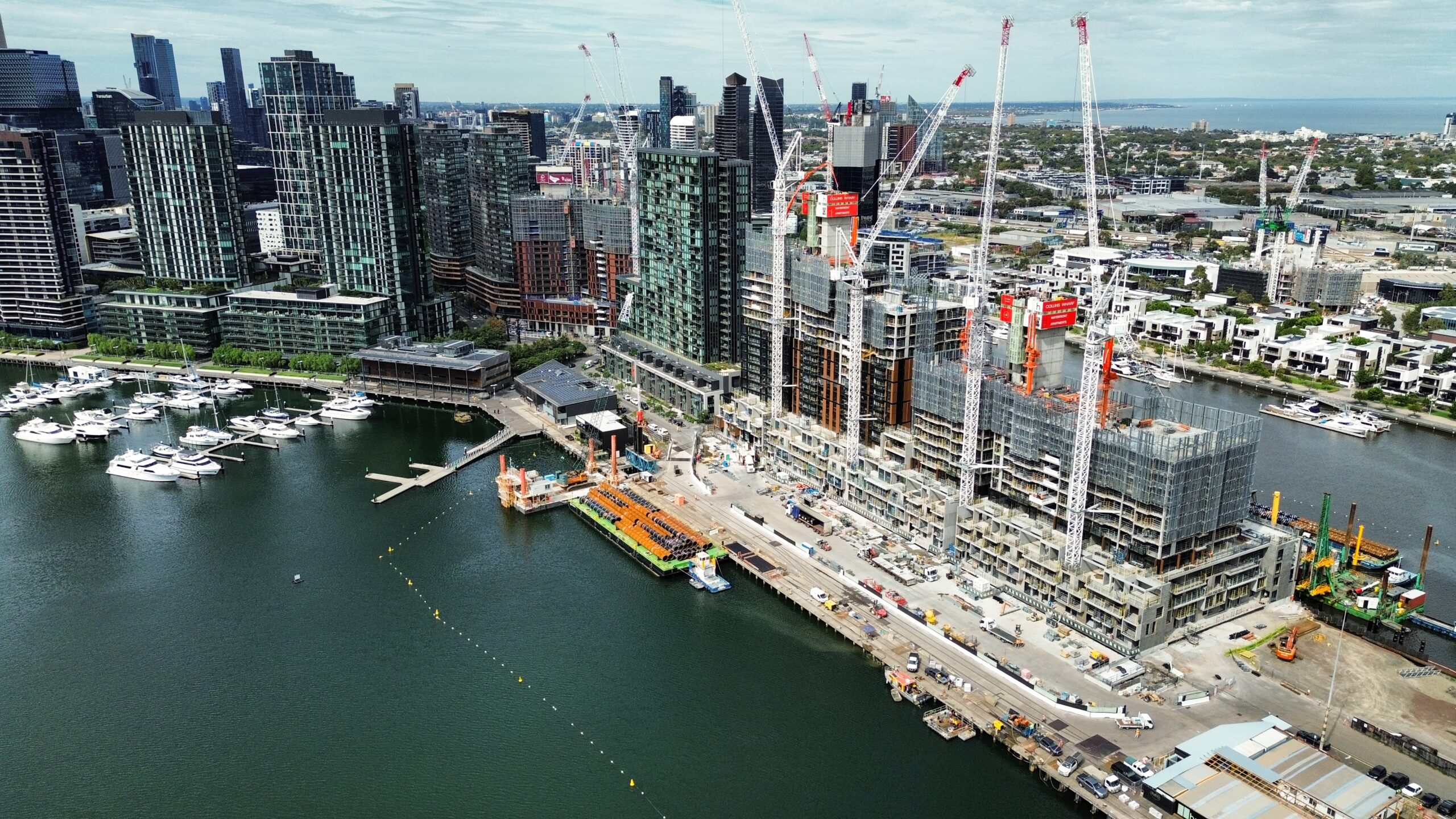
Shangri‑La Construction Pty Ltd (“SCP”) was appointed to design and construct a residential development in Victoria, Australia. SCP’s Managing Director, Mr Naqebullah, recommended that the external façade incorporated expanded polystyrene (“EPS”) cladding, which was later determined to be non‑compliant with applicable building regulations. Following remediation works funded by the State of Victoria (the “State”) (similar to the Building Safety Fund here in England & Wales), it pursued an action to recover such costs under Section 137F of the Building Act 1993 (Vic) (“Section 137F”), which was enacted in 2019. Section 137F is a strict liability provision which grants the State rights of subrogation against officers and/ or directors of contractors for the cost of cladding rectification work.
Pursuant to Section 137F, the State obtained summary judgment against Mr Naqebullah in the sum of approximately $3.17 million plus interest. Mr Naqebullah then sought indemnity under two consecutive “claims made and notified” professional indemnity policies taken out by SCP (the “Policies”).
Key questions
The Court was required to determine:
- Whether Mr Naqebullah was an “Insured” under the Policies;
- Whether a “Claim” had been made and notified within the relevant periods of insurance; and
- Whether the liability fell within the insuring clause, which responded to civil liability incurred in the conduct of the insured’s professional business.
Judgment
Insured status
The Court held that Mr Naqebullah was an insured person under the Policies. Although he was not named individually on the certificates of insurance, the policy documents, read as a whole (including the proposal forms), demonstrated that directors were intended to fall within the class of insureds.
Claims made and notified
The Policies were written on a strict claims made and notified basis. However, the State’s ability claim under Section 137F did not come into force until after the expiry of the Policies. As a result, and unsurprisingly, the Section 137F claim against Mr Naqebullah could not have been made during the relevant periods of insurance. Moreover, attempts to treat earlier proceedings involving SCP as the relevant claim, or to attach the Section 137F claim back to earlier notifications, were rejected as undermining the commercial purpose of claims made insurance.
Scope of the professional indemnity cover
Most interestingly from our perspective, the Court found that the liability imposed on Mr Naqebullah was not incurred in the conduct of professional business. “Professional Business” was defined by the Policies as design, including advice in relation to design in accordance with all relevant building, construction or engineering codes and standards.
It was Mr Naqebullah’s case that providing services as a registered building practitioner in drafting a specification under a design and construct contract constituted the provision of professional services of a skilful character as contemplated by the Policies.
However, no element of the State’s case against Mr Naqebullah involved provision of any design, specification or advice as contemplated by the “Professional Business” definition under the Policies, nor did Mr Naqebullah’s liability to the State depend in any way upon breach of a professional duty by him or by SCP. Instead, his liability arose solely (and strictly) under Section 137F as he was an officer of SCP at the time of the non‑compliant work.
Analysis and implications
This decision highlights an area of tension between statutory and/or strict liability regimes and professional indemnity insurance. Even where the factual background involves professional services, insurers will inevitably look closely at the legal basis on which liability is imposed. Where that basis arises in statute and/or by strict liability, PI insurance policies may not respond.
When that liability concerns actions taken by directors or officers, the question then becomes whether D&O insurance is able to plug any gap in cover.
Whilst there are no analogous strict liabilities directly arising from the design or construction of buildings here in England & Wales, sections 40 and 161 of the Building Safety Act 2022 (the “BSA”) did introduce offences for officers who commit, consent to or negligently fail to prevent breaches of the Building Act 1984 (including contravention of the Building Regulations) and breaches of Part 2 or Part 4 of the BSA (including obstructing building control or failing to manage Higher Risk Buildings).
While liability imposed on an individual by virtue of holding office might ordinarily be expected to fall within the scope of D&O insurance, such policies often contain broad professional services exclusions. This creates a real risk that policyholders may find themselves without cover under either policy.
Conclusion
For policyholders and brokers, the decision underlines the importance of reviewing PI and D&O cover together, rather than in isolation. Particular attention should be paid to the scope of the professional services definition and insuring clause alongside the breadth of professional services exclusions in D&O policies, and the extent to which programmes are designed to respond coherently to building safety liabilities.
Authors
Abigail Smith, Associate
Pawinder Manak, Trainee Solicitor

The Grenfell & Champlain Towers: Risk Management Considerations in the Wake of Catastrophic Loss — A UK/US Comparison
1. Introduction
As part of the multinational collaborative relationship between Saxe Doernberger & Vita, P.C. and Fenchurch Law, we continually find ourselves in conversations about the sometimes subtle but sometimes drastic differences between risk management and coverage considerations from one country to the next. These differences are often highlighted by the fallout from large catastrophic losses that are widely publicized and illuminate sometimes widespread risks and perils that many others may be facing in the coming years.
The response of governments and their subdivisions to the needs of victims and/or commercial parties, and insurance markets’ evaluation of and reactions to catastrophic losses vary widely from country to country and jurisdiction. In this article, we discuss these responses and reactions in the cases of the Grenfell Tower Fire in London, England, and the Champlain Tower collapse in Surfside, Florida, within the United States. These two widely publicized losses involved different risk management and insurance considerations based on where they occurred. They also saw substantially different government responses and raised varied questions about what the next steps are for their respective commercial and insurance markets.
This comparison highlights the variation in considerations that policyholders face when examining risks across national and international operations. What to expect and what to look out for depends heavily on where you do business, and we are excited to continue these conversations to support policyholders across the globe.
Whilst our joint analysis has identified some significant differences in the risk and insurance landscape for contractors and construction professionals operating in these key markets (largely, and perhaps unsurprisingly, driven by key regulatory and legislative differences), there are common themes including the effect of public response and awareness, insurance market reactions and risk management considerations.
2. The Grenfell Tower Fire
A. Background
On 14 June 2017, a catastrophic fire ripped through a high-rise residential building in Central London known as Grenfell Tower, resulting in the tragic deaths of 72 people. Prior to the fire, Grenfell Tower had undergone significant refurbishment, which included new windows and a rainscreen cladding system being fixed to the outside of the reinforced concrete structure. Many of the materials and components used were either combustible or not of limited combustibility, which is thought to have significantly contributed to the intensity of the fire and the speed with which it spread around the 24-storey structure.
The fire has had a seismic impact on owners, leaseholders, and tenants of buildings with unsafe cladding, many of which were, and continue to be, faced with huge challenges in relation to the cost of remediation and the interim fire safety measures.
The tragedy has also had a significant effect on those operating in the construction industry, including the availability and applicability of their insurance when faced with claims from parties seeking to fund the cost of removing and replacing unsafe cladding. That work of itself has, in some instances, revealed other defects, in turn leading to increased claims against those involved in the design and construction of buildings.
B. Immediate Implications
The focus after the tragedy was rightly to try and identify the cause of such an intense fire, with the refurbishment being the obvious starting point. The UK Government commissioned the Building Research Establishment to undertake a series of tests on aluminium composite material (“ACM”) panels in combination with a number of other common external wall components in order to test compliance with the Building Regulations. Only one of the tests passed, which included mineral wool insulation. Although the initial focus was on ACM, subsequent tests and investigations revealed similar non-compliances caused by the use of non-ACM materials.
The Government also immediately announced a Public Inquiry into the tragedy, which began hearing evidence in September 2017, leading to the Phase One report (dealing with the events on the night of the tragedy) being issued in October 2019, followed by Phase Two (concerned with the refurbishment of the tower) in September 2024. To date, the criminal and civil proceedings in relation to the Grenfell Tower itself remain ongoing, although that is most likely due to those proceedings needing to await the conclusions from the Inquiry.
External wall systems similar to those used on Grenfell Tower (both ACM and non-ACM) had been commonly used in both residential and commercial developments for many years (if not decades). Given the sudden attention which these systems were now receiving as a result of the public outcry following the tragedy, many involved in the design and construction of buildings using similar systems were facing immediate requests for information on the materials used and the threat of claims if the buildings were unsafe and/ or non-compliant with the Building Regulations.
C. Insurance Implications
Non-compliant cladding systems present an issue in relation to first-party insurance coverage, which is almost exclusively by damage. Absent a definition in the policy, damage will likely be determined by reference to common law authority, which is concerned with a physical change that has impaired the use or value of the insured property. Non-compliant cladding has not undergone a physical change – its condition has remained stable, and its unwanted quality comes from its non-compliance, which renders it defective (not damaged). Policyholders therefore had to look to other sources for insurance cover, including latent defect policies which provide first-party cover absent damage if there is a present or imminent danger.
From a liability perspective, contractors and construction professionals had little choice but to consider the nature and extent of their exposure to claims and their coverage for professional negligence claims, particularly in view of more restrictive cover being introduced on policy renewal, many of which included full or partial exclusions for fire safety and/ or cladding claims. Some policyholders were therefore placed in an unenviable position – either notify circumstances which could give rise to claims to an expiring policy knowing those notifications were likely to be challenged, or face the risk of any claims being excluded from subsequent policies as a result of either fire safety and/ pr cladding exclusions or known or prior circumstance exclusions.
In practice, many policyholders made ‘block notifications’ to their professional indemnity insurance policies in an attempt to salvage some insurance cover in the face of restrictive cover on renewal. Whilst relatively unusual prior to Grenfell, block notifications enable a policyholder to, as the name suggests, notify a large number of related circumstances at one time, although the validity of each will be assessed individually. Although there is a practical benefit to a policyholder in notifying circumstances in this way, it does attract suggestions from insurers that the subsequent claims aggregate as they are related (given that they lent themselves to a block notification).
D. Ensuing Litigation and Government Reactions
In the years that followed the Grenfell tragedy, a wave of claims were brought against contractors and construction professionals in relation to allegedly defective and/ or unsafe buildings. Solomonic reported in September 2024 that over 100 such claims were issued in the Technology & Construction Court since the Grenfell fire[1], although many more are likely to be in the pre-action phase. Policyholders were typically faced with challenges to cover under policies they might expect to indemnify them in respect of liability arising from such claims for numerous reasons, including that:
a) the validity of the notification (block or otherwise) – either that by reference to the applicable threshold and/ or requirements, notifications were made too soon or too late;
b) the claims arose from known circumstances if they were notified to the policy, which renewed in the months following the Grenfell tragedy;
c) some or all of the alleged issues were caused by poor workmanship, as opposed to design or specified, such that the claim was excluded; and/ or
d) even if the policy did respond, then any claims would aggregate as they arose from the same originating cause or the same act or series of acts.
To date, there have not been any significant reported judgments concerning disputed insurance cover for cladding or fire safety claims, although that is potentially a result of policyholders compromising claims when settling the underlying liability claim, or coverage claims being resolved by arbitration (which is a confidential dispute resolution process).
More generally, the necessary work to remove unsafe cladding / external wall systems has led to the discovery of wider issues, including internal fire safety defects (such as poor compartmentation or fire stopping) and structural defects (which were hidden behind external wall systems). These have been the subject of numerous and significant claims of their own right, including BDW Trading Limited’s claim against structural engineer, URS (now part of AECOM), which went all the way to the Supreme Court in 2025.
The drive to remediate unsafe buildings (with reports suggesting that 4,630 residential buildings over 11m still have unsafe cladding[2]) resulted in both the Government having to introduce public funding for those works, including the Building Safety Fund and the Developer Remediation Contract which required developers to remediate unsafe residential buildings or face being excluded from development work or denied building control approval on new developments.
However, notwithstanding the positive action taken by the Government, there were calls to improve the rights and remedies of affected owners, leaseholders, and tenants, as well as avoid repeated instances of systemic failures going forward – both of which were purposes of the Building Safety Act 2022.
E. The Building Safety Act 2022
The first formal step towards legislative change as a result of the Grenfell tragedy was the ‘Building a Safer Future’ publication in June 2019, although it took until 28 June 2022 for the Building Safety Act 2022 (“BSA”) to be implemented. The BSA introduced a raft of retrospective and prospective changes to building safety legislation, with the most significant from an insurance coverage perspective being:
a) Extension of the retrospective limitation period for claims under the Defective Premises Act 1972 (“DPA”) from six years to thirty years (fifteen years prospectively); and
b) The implementation of new remedies in the form of Remediation Contribution Orders (“RCOs”) and Building Liability Orders (“BLOs”) which, in prescribed circumstances, can ‘pierce the corporate veil’ and pass liability for the cost of remediating unsafe buildings from the original contracting party to its ‘associates’
Whilst it typically takes longer for the insurance coverage implications of such significant legislative changes to appear compared with the often more immediate impact on underlying liability claims, the following are already presenting issues in practice:
a) Given the surge in claims being made under the DPA, insurers are adopting a more restrictive approach to coverage under PI policies, including arguing that the duty under the DPA is strict and therefore does not trigger the reasonable skill and care requirement of most PI insuring clauses;
b) That liabilities arising from RCOs or BLOs are similarly uninsured as the act, error or omission giving rise to the liability is that of the associated entity, not the RCO or BLO defendant; and
c) That in any event, any claims which are now available pursuant to the BSA, arise from known or prior circumstances (and are therefore excluded) and/ or do not attach to any existing notifications in the years following the Grenfell tragedy.
These disputes are likely to take many years to resolve, although it seems inevitable that policyholders facing these new claims/ remedies will have little choice but to pursue their insurers given the sums at stake.
3. The Champlain Towers South Collapse
A. Background
In the middle of the night on June 24, 2021, a twelve-story beachfront condominium tower called Champlain Towers South in the Miami suburb of Surfside partially collapsed, killing nearly one hundred people and injuring almost a dozen more. An effort to recover survivors of the collapse began in earnest and continued through late July. Many people had to be rescued from the un-collapsed portion of the building, but only four people were rescued from the building’s rubble, and only three of them ultimately survived.
Champlain Towers South was originally built in the early 1980s, along with two other towers completed in the late 80s and early 90s. In the days leading up to the collapse, emerging cracks and other indications of structural stress were observed, including water leaking into the underground parking garage from an area that had been the site of many cracks and repairs over the years. One resident reported that minutes before the condominium tower fell, the pool deck and street-level parking collapsed into the underground garage.
The U.S. National Institute of Standards and Technology (“NIST”) assigned a team of scientists and engineers to investigate the cause or causes of the collapse, and their work continues to this day. Preliminary findings in 2021 indicated the collapse started in the pool deck rather than in the tower itself. NIST’s subsequent years of investigation determined that the collapse likely started in a pool deck slab-column connection and then progressed through the condominium tower. Their reports also indicate that there were indications of the building’s distress that were visible in the weeks before the partial collapse.
B. Litigation, Investigation and Government Action
Almost immediately, a lawsuit on behalf of the residents of the building and their survivors was brought against the Champlain Towers South Condominium Association’s board in the local trial court. Shortly thereafter, the court appointed class counsel for separate groups of those injured or killed in the collapse, survivors, and former residents. Subsequently, numerous other defendants that were involved in development, maintenance, management, security, or repairs for the tower, as well as their insurers, were added to the suit.
Just before the one-year anniversary of the collapse, the named defendants, as well as some unnamed defendants, and their insurers reached a $1.02 billion settlement with the plaintiffs in the class action. Despite the ultimate cause of the collapse being unknown, nearly half of the settlement came from a single company and its insurers, in relation to an on-duty security guard not triggering a building-wide alarm before exiting the building. Subsequent investigations into the causes of the collapse also raised concerns about significant deferred maintenance of the structure’s concrete components, waterproofing, saltwater corrosion of exposed rebar, inadequate original construction, impacts of construction at an adjacent site, and years of subsidence in the area.
Government reactions to the collapse have been focused locally and regionally, rather than nationally. There are hundreds of high-rise condominiums with thousands of units like those in the Champlain Towers all across Florida. In the wake of the collapse, Florida passed condominium reform legislation creating a state-wide inspection program for condo buildings taller than three stories. Buildings will go through a milestone inspection certification process upon reaching thirty years of age, or twenty-five if they are located within three miles of the coast. They will be inspected again every ten years afterward. Inspection records will be made public, and condominium associations will not be able to waive structural maintenance fund reserve requirements. That statute was later amended to give the local authorities discretion on whether to inspect at 25 or 30 years.
C. Insurance Implications
On the first party side, there is no real dispute that there was physical loss or damage to the Champlain Towers, but common issues in the property insurance markets are worth noting. Collapse has been a peril of focus for many years, and policies vary widely on whether they cover collapse, whether collapse is limited to certain causes, or whether it is subject to lower sublimits. Wear and tear, inherent vice, subsidence, or exclusions related to defective construction can also be problematic in situations like the Champlain Tower collapse. Undoubtedly, we will see more restrictive variations in these terms emerging as insurance markets react to the risks highlighted by this tragedy. Lenders, property owners, and developers must keep a keen eye on the markets in light of their portfolios’ risk profile to ensure buildings are properly underwritten.
In terms of liability, the collapse implicated a wide swath of operations, from property management and security to maintenance, professional consulting and improvements, and all of the insurance underwriting those operations. Through their association by management control, maintenance or upkeep operations, security services, or otherwise, numerous companies and their insurers were brought into the suits seeking damages caused by the tower’s collapse. Those managing or providing services at the site, or who performed maintenance or construction at the site, would rely on commercial general liability as the primary source of contribution. Any professional service providers, including architects or engineers that might have been involved, were also relying on professional errors and omissions liability insurance. The condominium’s board may also have been relying on errors and omissions coverage for decisions associated with allegedly deferred maintenance.
Although a swift settlement was reached in this case, there are some common and emerging issues in liability insurance that are worth highlighting. One of the most concerning is the market’s creeping limitations on completed operations coverage. Exclusions have started to pop up in liability insurance for work performed before the current policy period, despite no injury or damage ever occurring before the current policy period. So, for example, assume a waterproofing contractor worked at Champlain Towers two years before the collapse. If their insurance in place at the time of the collapse had an exclusion in it for work performed during a previous policy period, the insurance in place at the time of the collapse would not respond. Nor would the policy in place at the time of the work respond, because liability insurance typically requires bodily injury or property damage that did not occur until the collapse itself.
Over the years, we have seen incidents like this driving subtle changes in the market that do not get scrutinized until a loss has occurred and it is already too late. Given the jurisdictional and situational variability in the U.S., commercial parties must take a proactive approach to insurance placement and renewal to ensure they are keeping up with market shifts.
D. Broader Legislative and Commercial Considerations
Unsurprisingly, insurance premiums for condominiums in the area have increased by orders of magnitude since the collapse. Unlike the UK’s response of ensuring remedies for aggrieved survivors, Florida’s responses to increased insurance costs have been “tort reform,” with major legislation coming in the form of HB 837 in 2023. Amongst other things, the bill implemented a modified negligence system, reduced the statute of limitations for negligence claims, eliminated one-way attorney fees for bad faith in many cases, and placed other limitations on attorney fees as well as damages evidence. Insurers have benefited heavily from these reforms, and Florida touts the bill as a tremendous success in their favor.
In the United States, each state has its own scheme of statutes of limitations and statutes of repose. The former being the amount of time after which a claim can no longer be brought by an injured party. The latter being the amount of time after construction operations are completed beyond which construction defect claims cannot long be brought by anyone. In Florida, the statute of repose is seven years from, amongst other things, the date of a certificate of occupancy or completion, or when construction is abandoned. As with the reduced remedies under Florida’s “tort reform” bill, the statute of repose was actually shortened from ten years to seven.
Also, unlike the UK, there is no national corollary to the Building Safety Act, and public funding for proactive remediation of potential risks like those associated with the Champlain Tower collapse is rare. Sometimes, federal disaster relief is granted for specific catastrophes, but not since the implementation of superfund site support has the US seen proactive national support for risk remediation. Further, the general rules regarding corporate immunity and veil piercing, along with statutes of repose, can shield entities historically affiliated with a building like Champlain Towers if they are removed in time or association. The localized administrative requirements issued by Florida in response with respect to building inspections were the only meaningful government response to the tragedy. In the U.S., states and local governments vary significantly in how they balance the interests of builders, property owners or managers, and tenants or buyers.
Without comprehensive remedies to address the serious considerations raised by an event like the collapse, the focus has been on commercial reactions. Property owners and developers are taking stock of their profiles and reassessing risks based on the lessons learned. The operations and decision-making of property managers and boards with respect to needed and deferred maintenance of older buildings are getting a second look in light of known issues at Champlain before the collapse. Certainly, with respect to older concrete buildings near the ocean, contractors engaged in maintenance and upkeep operations are also highlighting the implications of the Champlain collapse in their transactions with owners. The collapse likely impacts the value and risk associated with older buildings, pushing owner and equity groups toward new construction generally, whereas the Grenfell issue is easier to identify as a prospective buyer.
However, commercial entities should also be looking out for changes in the insurance markets. As with other large-scale historic losses, such as Exterior Insulation and Finish Systems, we have seen changing terms creeping into policy terms. New forms and endorsements related to concrete, subsidence, wear and tear, or other similar items should get a second look in light of a company’s portfolio and risk profile. Without a close eye on the market, new exclusions have a habit of popping up when it is already too late.
4. Observations and Conclusions
While remedies available and governmental responses to catastrophes like Grenfell and Champlain vary considerably from country of jurisdiction to another, some risk management considerations are more normalized.
One significant difference we see in Grenfell as compared with Champlain is the relative speed at which survivors of the Champlain collapse settled their claims as compared those of the Grenfell catastrophe. Some observers noted that the Champlain suits settled relatively quickly due to the potential publicity associated with delaying compensation for the victims. This is in part a function of the ability of survivors to bring and establish a class action so quickly and verdict escalation in the U.S., with many potential parties at risk, each with limited insurance and assets to contribute and not wanting to get left out of a settlement. Compensation for Grenfell survivors will take longer, arguably because the criminal and civil proceedings needed to wait for the Public Inquiry to conclude. On the other hand, the UK saw national governmental implementation of new remedies in response to Grenfell, where no such national response occurred in the U.S. after Champlain. Instead, Florida’s pressure from the insurance markets actually eroded policyholder remedies.
In part, the sheer size of the U.S., but also its more recent historical political tendencies, make it unsurprising that national remedies in response to a tragedy like Champlain would be unlikely. As such, changes in remedies tend to be more localized, though still influenced by large commercial interests lobbying power. Additionally, proactive risk management is much more of a commercial exercise rather than adjusting to legal changes. Policyholders in the U.S. benefit substantially from robust reviews and vigorous engagement in the insurance procurement and contractual risk management processes. This should include keeping an eye on insurance markets for reactions to publicized risks and addressing these risks up front through business practices.
By comparison, the national remedies in response to Grenfell in the UK may have taken time to implement, but their impact has been widespread both in terms of the rights and remedies of those effected by unsafe cladding in the built environment, as well as the building safety regime and regulations for new buildings. Those changes have dramatically increased the liability landscape for contractors and construction professionals, inevitably resulting in increased insurance coverage disputes in relation to historic projects. However, at the same time, those measures seek to reduce the building safety risks in future projects, which should, in turn, lead to improved design, procurement, and risk management measures and, ultimately, reduce the liability exposures of those operating in the construction industry.
Despite the jurisdictional differences, there are some risk management and insurance considerations that will be more universal. Policyholders must still pay close attention to managing retrospective dates, aggregation clauses, and notification provisions in claims and risk management practices. Policyholders should also take stock of statutes of limitations or repose in jurisdictions where they have operations, and trends in completed work or continuing damage terms in their insurance markets to stay current on best practices.
Authors
Rob Goodship, Partner Fenchurch Law
Eric Clarkson, Senior Associate, SDV Law
[1] 100+ cladding and fire safety claims seven years on since Grenfell Tower fire — Solomonic
[2] Housing block residents still caught in cladding crisis after Grenfell tower fire | The Independent

The Iran War: Property and Business Interruption Insurance Implications for Policyholders
The ongoing Middle East conflict has significant implications for many insurance issues facing policyholders. In the first of a two-part series, our partners Julian Teoh and Chris Wilkes highlight areas of concern for downstream policyholders outside of the conflict zone, and what these potentially affected policyholders should be looking out for.
Physical Damage Insurance
The effective closure of the Strait of Hormuz and Iranian attacks on energy infrastructure across the Middle East has resulted in a shortage of oil and gas and a spike in energy and related prices.
Energy price spikes are already translating into significant increases in the costs of reinstatement and rebuilding property which has been damaged.
- Petroleum-based materials such as waterproof membranes, paint and sealants have become more expensive as oil prices surge.
- Increased costs of insurance and shipping (due to increased fuel costs and the need to take longer routes to avoid the warzone) will also be baked into the end price of building materials.
- Large cranes consume large amounts of fuel. Coupled with labour shortages, crane hire rates have increased significantly since the start of the conflict.
- Energy costs feed directly into the cost of raw materials e.g. steel and aluminium, not to mention inflation causing a general increase in prices across the board, plus shortages of supply compounding price increases (and delay in supply).
The impact on supply chains is also likely to be severe, leading not only to increased direct costs, but also prolonged time scales for deliveries leading in turn to time inflation and related indirect costs.
It would be prudent for policyholders and their brokers to re-examine their physical damage sums insured under property, machinery and construction policies to reflect these issues. Policy average / under-insurance clauses can be applied even in partial loss situations, proportionately reducing any indemnity due under the policy.
Business Interruption and Increased Costs of Working Cover
Most operational policies contain cover for business interruption following damage and increased costs of working (ICW). In short, ICW are the additional costs incurred by the policyholder to mitigate BI losses (which may be highly relevant if there are delays in the supply of components or materials).
ICW cover is subject to various tests, including the “economic test”: the increase in costs must be less than the reduction in turnover due to the incident (i.e. the saving must exceed the cost of the additional expenses). In other words, uneconomic expenditure will not be covered.
Where the costs of inputs are spiking, it would normally be more difficult to pass this economic test. Policyholders will need to consider the interaction between cost and time-related savings when considering such mitigating measures.
Business Interruption (BI) Insurance
Non-Damage BI Extensions
Many BI policies contain non-damage BI extensions, i.e. they allow the policyholder to make a BI claim even where there has not been damage at the policyholder’s premises. Most relevant to the current conflict would be:
- Suppliers’ extensions: BI resulting from supply chain disruptions at suppliers.
- Denial of access: BI resulting from an inability to access the policyholder’s premises.
- Public authority order: BI resulting from an order from a civil or military authority.
The coverage triggers for these extensions is usually damage, whether at the premises of the supplier, within a certain radius of the policyholder’s premises or which has caused the authority to issue the order. But this is not inevitably the case. Especially in bespoke wordings, the coverage triggers may be far more permissive, and policyholders are encouraged to review their non-damage BI extensions.
Where the coverage triggers are damage-based, the policy’s war risks exclusion will also come into play. While these exclusions can be quite comprehensive, we would encourage policyholders to review the wordings carefully and seek advice on whether or not the exclusion applies.
Adequacy of BI Indemnity Periods
The BI indemnity period is the period for which the insurer agrees to indemnify the policyholder during which the interruption to business is ongoing.
If, for example, the policy BI indemnity period lasts for 12 months but the interruption persists for 18 months, the insurer is required to pay an indemnity for only 12 months. The policyholder would not enjoy any cover for its BI losses for the last 6 months.
If the conflict is prolonged and materials are in short supply and/or cannot be shipped to the premises in a timely manner due to the conflict or the knock-on effects, this may result in the interruption period extending beyond the policy’s BI indemnity period. In situations where critical parts of complex machinery are needed for the business to resume and are difficult to source in a timely manner, the shortfall between the indemnity period and the duration of the interruption will come into sharp focus.
Authors
Julian Teoh, Partner
Chris Wilkes, Partner
Insurance amid uncertainty: Implications of the Iran conflict for Policyholders
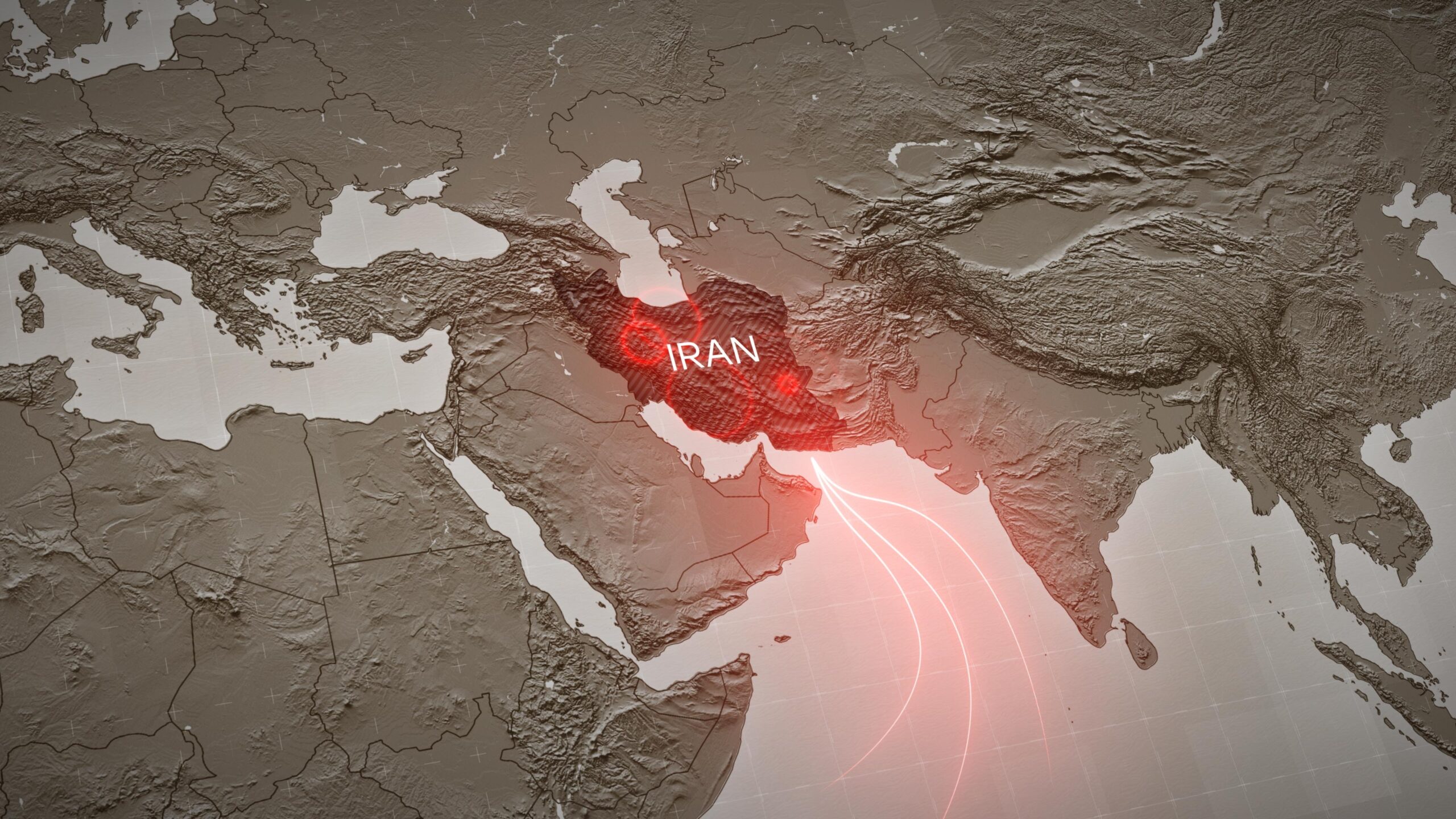
On 28 February 2026, the US and Israel launched a coordinated military operation against the Iranian regime. Iran has since responded with missile and drone attacks across the Gulf, creating risk across several major trading centres including Qatar, Bahrain, Oman, Saudi Arabia and the UAE.
In addition to the very real and devastating risk to life, the escalation of the conflict is causing significant disruption to global trade, transport and energy markets alongside extensive physical damage to insured property.
Below, we consider the implications of the conflict for policyholders across key classes of business, and the coverage disputes that may arise as claims emerge.
STANDARD WAR EXCLUSIONS IN PROPERTY INSURANCE POLICIES
Standard commercial property policies typically exclude damage or loss “directly or indirectly” caused by “war, invasion, acts of foreign enemies, hostilities (whether war be declared or not)…military or usurped power”, and whilst the parties to the conflict are yet to formally declare war, whether the conflict amounts to war under the rules of contractual interpretation is a separate question.
Since the 1930s, English courts have said that “war” does not have a technical meaning and should be interpreted in a “common sense way”. Since then, caselaw has provided deliberately wide guidance as to the definition of war, including the presence of opposing sides and the number of combatants involved.
The breadth of that definition, together with standard war exclusions which override the concept of proximate cause (by applying to damage / loss even indirectly caused by war), mean that many commercial insureds are without the benefit of war-related property cover under their standard property insurance policies. An unwelcome consequence of that is that significant business interruption losses following airport closures, port shutdowns, supply chain disruption and government restrictions are likely to fall outside of the scope of cover.
Much will depend on the precise wording of the exclusion and the factual matrix of the loss. We recommend that property and business interruption policies be scrutinised for war exclusions as soon as possible and, in addition, policyholders across the leisure and manufacturing industries assess their force majeure exposure under supply and services contracts.
THE “GRIP OF THE PERIL” DOCTRINE IN AVIATION AND MARINE INSURANCE
In light of the above, policyholders may look to recover under specific political violence / war risk insurance policies and extensions.
In June last year, we reported on the long awaited Russian aviation judgment handed down by the Commercial Court. The trial involved the detention of Western-leased aircraft following Russia’s invasion of the Ukraine in 2022. You can read our analysis of that decision here - Commercial Court grounds War Risks insurers in landmark Russian aircraft judgment - Fenchurch Law.
Of particular concern to policyholders was Mr Justice Butcher’s commentary on “the grip of the peril” doctrine. He held that:
“if an insured is, within the policy period, deprived of possession of the relevant property by the operation of a peril insured against and, in circumstances which the insured cannot reasonably prevent, that deprivation of possession develops after the end of the policy period into a permanent deprivation by way of a sequence of events following in the ordinary course from the peril insured against which has operated during the policy period, then the insured is entitled to an indemnity under the policy.”
He concluded that lessors whose cover had been terminated by insurers prior to the point at which the court considered they had been permanently deprived of the aircraft were entitled to cover, on the basis that the loss of the aircraft arose in a sequence of events that followed in the ordinary course of restraints and detentions that took place in the policy period. In other words, the aircraft were in the grip of the peril by the time the relevant policies were terminated.
That ruling may be of particular relevance to aviation and marine policyholders affected by the present conflict. As a result of the closure of airspace, airline fleets remain grounded across the Gulf. Those fleets are at considerable risk of being permanently lost as a result of missile strikes on airports in Dubai, Abu Dhabi, Bahrain and Kuwait. Whilst the market will no doubt issue review notices to terminate or vary cover in those instances (as they did in the Russian aviation case), its possible that insured aircraft may already be deemed in the grip of the peril depending on the precise factual and temporal sequence of events.
Similarly, in relation to marine insurance, standard hull and cargo policies also exclude war and political perils. As a result, shipowners and charterers trading in high‑risk areas typically rely on separate war risks policies which are cancellable on short notice, requiring vessels to leave designated danger zones within a defined period. We know that cancellation notices have already been issued in respect of the current conflict so, where those vessels are unable to leave for whatever reason (for example, as a result of port closures or government restrictions), the grip of the peril doctrine may become relevant.
Whilst that analysis may offer some comfort to certain policyholders with property in the conflict zone, political violence policies include their own standard exclusions, and losses caused by perils not purchased will be excluded in any event. If, for example, an insured has only purchased terrorism or civil unrest cover, they are likely to be uninsured for war-related losses.
We recommend that political violence and war risks cover be analysed immediately, alongside the delay provisions in any related sale and trade contracts.
AGGREGATION WORDING
Where losses are covered, significant disputes may arise in relation to aggregation. Iran’s missile and drone attacks have, to date, been segmented and geographically dispersed, raising questions as to whether losses arise from a single event, a series of related events, or multiple separate occurrences for the purposes of policy limits, deductibles and excess erosion.
Whilst the outcome of any dispute is likely to be driven by the aggregation wording in a specific policy, insurers are likely to argue for a narrow interpretation and policyholders should be alive to that issue.
POLITICAL RISK AND TRADE CREDIT INSURANCE
Finally, unlike political violence policies, political risk policies do not require physical damage to trigger cover. They insure against, for example, the confiscation or deprivation of assets and are concerned with the permanent or prolonged loss of rights in, or control over, those assets. Outcomes under these policies are likely to be driven by the definition of expropriation, whether the deprivation is permanent for the purpose of the policy terms, and any relevant waiting periods.
Also written within the political risk market is trade credit insurance. As the conflict progresses, disruption to energy sources and supply chains may impact a policyholder’s ability to perform its payment obligations under a contract. In those circumstances, whilst trade credit policies are likely to contain fewer war exclusions than property or marine policies, policyholders may still have challenges to overcome in relation to causation and aggregation.
CONCLUSION
Already, the market is taking steps to limit its exposure to the conflict by making amendments to certain wordings, and issuing cancellation notices in respect of hull and cargo. Policyholders would be well placed to undertake early analysis of policy terms, particularly in relation to relevant exclusions and the likely interpretation of aggregation wording. Early, careful engagement with policy wording and claims strategy will place policyholders in the strongest possible position as the insurance consequences of the conflict continue to unfold
Author
Daniel Robin, Managing Partner
Abigail Smith, Associate

When Clauses Collide: Court of Appeal Backs MRC Over New York Arbitration
A recent Court of Appeal decision, Tyson International Company Ltd v GIC Re, India, Corporate Member Ltd [2026] EWCA Civ 40, provides valuable clarification on the approach taken by English courts when confronted with conflicting jurisdiction and arbitration provisions contained within layered reinsurance documentation.
Background:
Tyson International Company Ltd (“TICL”) is the Bermudan captive insurer for Tyson Foods, a major US‑based global food producer. In 2021, TICL arranged facultative reinsurance for its property risks with several reinsurers, including GIC Re, India, Corporate Member Ltd (“GIC”).
Two layers of facultative reinsurance were first placed on 30 June 2021 by way of a London Market Reform Contract (the “MRC”). The MRC provided for English governing law and contained a clause granting the courts of England and Wales exclusive jurisdiction over all matters relating to the reinsurance.
On 9 July 2021, this placement was supplemented by the execution of a second set of contracts in the form of the Market Uniform Reinsurance Agreement (the “Certificate”). The Certificate, instead, required disputes to be resolved by arbitration in New York under New York law. They also incorporated three amendments, the second of which stated that the MRC would “take precedence over reinsurance certificate in case of confusion” (the “Confusion Clause”).
A fire at a Tyson Foods facility in Hanceville, Alabama on 30 July 2021 gave rise to a claim under the captive policy. TICL accepted coverage and notified GIC. GIC later purported to rescind its reinsurance participation based on alleged misrepresentation relating to property valuations. TICL commenced proceedings in England relying on the jurisdiction clause in the MRC, while GIC sought to compel New York arbitration under the Certificate.
At first instance, the Commercial Court granted TICL a permanent anti‑suit injunction restraining GIC from pursuing the New York arbitration. In response, GIC appealed to the Court of Appeal.
Parties’ positions and key issues:
GIC’s principal argument was that the Confusion Clause was narrow in scope and applied only to internal drafting inconsistencies within the Certificate itself. GIC also maintained that, even if the clause applied more broadly, the English jurisdiction clause in the MRC and the New York arbitration clause in the Certificate should be read together in a manner that gave effect to both, with the English courts assuming a supervisory role over arbitration in New York.
TICL submitted that the Confusion Clause operated as a genuine hierarchy provision intended to resolve inconsistencies between the two documents. Once invoked, it required the English governing law and exclusive jurisdiction provisions in the MRC to prevail, leaving no room for the New York arbitration clause to operate.
Hence, the key issues for consideration were:
- The proper construction of the Confusion Clause; and
- Whether the English jurisdiction clause in the MRC and the New York arbitration clause in the Certificate could operate together
Analysis:
- The proper construction of the Confusion Clause:
GIC submitted that the Confusion Clause applied only where the Certificate itself contained internal inconsistencies and did not extend to conflicts between the Certificate and the MRC. The Court rejected this interpretation. It held that the natural and commercially coherent meaning of the wording was that it addressed inconsistency arising between the two documents. The MRC and Certificate were executed nine days apart and contained materially different provisions; it was, thus, far more plausible that the clause was intended to identify the document that should prevail where such differences arose.
Critically, the Court also commented that GIC’s narrow construction would be commercially unsound in rendering the clause ineffective when the most obvious form of “confusion” occurred; namely, a contradiction between the documents themselves.
- Whether the English jurisdiction clause and New York arbitration clause could operate together?
GIC argued that even if the MRC prevailed, the English jurisdiction clause could be read as supervisory or auxiliary to New York arbitration. The Court, however, rejected this in finding that the MRC conferred exclusive jurisdiction on the English courts in clear and unqualified terms, while the Certificates mandated binding arbitration in New York. To reinterpret the English clause as merely supervisory would invert the contractual hierarchy expressly agreed through the Confusion Clause and substantially distort the meaning of the exclusive jurisdiction provision.
The permanent anti‑suit injunction was, therefore, correctly granted.
Conclusion:
The decision provides clear confirmation that ordinary principles of contractual interpretation remain paramount in resolving disputes arising from inconsistent reinsurance documentation. The Court emphasised that where parties have chosen express language, particularly as to precedence, the courts will give effect to that language according to its natural and literal meaning. It is not the role of the court to retrospectively correct what may, in hindsight, be commercially disadvantageous to one party, nor to remodel the parties’ bargain by reading fundamentally inconsistent clauses together.
Authors
Michael Robin, Partner
Pawinder Manak, Trainee Solicitor

Motor Finance and the FCA Redress Scheme: Insurance Coverage implications for policyholders
Background and Supreme Court Decision
The UK Supreme Court’s judgment in Hopcraft v Close Brothers Ltd, together with Johnson & Wrench v FirstRand Bank Limited [2025] UKSC 33, clarified the law on secret commissions in motor finance. The Court held that car dealers arranging finance do not owe fiduciary duties to customers, which removed the foundation for claims based on breach of fiduciary duty. It also confirmed that English law does not recognise a free‑standing tort of “bribery” or secret commission absent a fiduciary relationship.
However, the Court significantly tightened the standard for commission disclosure. It held that a statement that “a commission may be paid” is inadequate: lenders and brokers must disclose both the fact and the amount, or the basis, of any commission prior to the finance agreement being signed. The Court reaffirmed that undisclosed or partially undisclosed commissions can render a lender–borrower relationship “unfair” under section 140A of the Consumer Credit Act 1974.
In Johnson, the Court found an unfair relationship where an entirely undisclosed commission – approximately 55% of the total loan– created a misleading impression and contributed to the unfairness. This was held to be sufficiently opaque and extreme to create an unfair relationship, leading to an order that the lender refund the commission together with interest. In the other joined cases, however, the commission arrangements were either less substantial or subject to some level of disclosure, and the borrowers did not obtain relief. The Court also held that lenders can only be liable as accessories to a dealer’s misconduct if they acted dishonestly, which was not established on the facts.
FCA Industry‑Wide Redress Scheme
In response to the judgment, the FCA announced an industry redress scheme under s.404 FSMA, covering motor finance agreements entered from April 2007 to November 2024. The FCA has estimated that approximately 14 million agreements involved undisclosed or excessive commissions, and that around 44% (about 6.2 million loans) may be considered unfair under the new standards.
The FCA published its consultation on the mechanics of the scheme in December 2025, with responses due in early 2026. The FCA has indicated that, subject to feedback, the final rules are expected to be issued in mid‑2026, with the redress scheme going live shortly thereafter
Compensation is expected to average £700 per loan, which implies a total payout of around £8.2 billion, with the possibility that it could reach £9–10 billion. Firms will additionally incur substantial operational expenditure, estimated at £2.8 billion, to administer the scheme. Any FCA fines for misconduct would be imposed separately and would not form part of the compensation pool.
The proposed scheme requires lenders to identify affected customers and provide compensation directly. Dealers and brokers will be expected to supply relevant information, and lenders may attempt to recover a portion of the cost from brokers via indemnity arrangements.
Application to FI Liability Policies:
Motor finance lenders and brokers will look primarily to their professional indemnity (PI) or civil liability policies, and, in certain circumstances, to D&O policies. Many of these policy wordings will be bespoke to Financial Institutions (FIs).
FI PI policies cover claims arising from wrongful acts in the insured’s provision of professional services, which is likely to include providing consumer credit and complying with regulatory disclosure obligations. Many FI PI policies define a “Claim” in broad terms, often including civil claims and regulatory proceedings that could result in an order requiring payment of compensation. An FCA-mandated redress scheme is likely to fall squarely within this definition.
Moreover, if a firm fails to make the payments required under s.404 redress scheme, the FCA can treat that failure as a breach of its rules under s.404F(7) and use the full range of its enforcement powers, including directions, financial penalties and public censure, to compel compliance, while consumers also have a direct right of action under s.404B(1) to sue for the compensation owed. Additionally, the FCA may apply to the courts under its general powers (including ss.380–382 FSMA) to obtain orders compelling a firm to remedy the breach, meaning that both the FCA and the courts ultimately can require an FI to pay compensation. Hence, any such proceedings would, likely, satisfy the definition of a “Claim” sufficient to engage the insuring clause for cover.
Notwithstanding, various coverage issues may still arise as follows.
Key Coverage Issues
Issue 1: Whether Commission Refunds Constitute an Insured “Loss”
A central coverage question is whether returning commission and interest constitutes an insured “Loss.” PI policies usually cover damages or compensation that the insured is legally liable to pay. A redress scheme under s.404 can only compensate customers where they have a private legal remedy so insureds who pay compensation should be able to demonstrate to insurers that they had a legal liability.
As regards loss, the proposed redress scheme generally seeks to restore consumers to the position they would have been in if commissions had been properly disclosed, which suggests a compensatory purpose. However, there is no causation requirement under the FCA’s proposals, in that consumers will not have to prove that they would not have entered into the loan if full disclosure had been made (although the presumption that non-disclosure caused loss is rebuttable by lenders in certain circumstances, e.g. if the consumer was deemed to be “sophisticated”).
Insurers may argue that part of the relief is restitutionary because it involves disgorging a commission that the insured (or its agent) earned. Many PI policies exclude loss consisting of the return of fees or commissions. Some policies include “carve‑backs” where commissions are linked to a wrongful act by an employee, which can restore cover. Courts and insurers often distinguish between returning an improper gain (normally uninsurable) and compensating a third party’s financial loss (insurable).
While there remains a grey area, especially under policies that expressly exclude “improper profit,” it is likely that courts will view these payments as compensatory and therefore insurable. Nonetheless, disputes may arise where policy language is particularly broad or where a settlement includes elements that resemble pure disgorgement.
Issue 2: Regulatory Fines and Penalties
Although consumer compensation would probably be covered, regulatory fines are not. FI PI policies universally exclude fines, penalties, and punitive damages, either expressly or on the basis that they are uninsurable by law. Any FCA fines imposed in parallel to the redress scheme will therefore fall outside insurance cover. Statutory interest added to customer compensation is generally considered part of the damages and is normally covered.
Issue 3: Claims‑Made Basis and Notification
FI PI policies operate on a claims-made basis, making notification a central coverage issue. Many claims will arise in 2025–2026 when consumers complain or are deemed to do so under the scheme. Policies in force at that time should respond unless exclusions for known circumstances apply.
Insurers may seek to frame a failure to disclose commission levels as a material non-disclosure. This would require an insurer to show (i) the information would have influenced a prudent insurer in setting terms, and (ii) the policyholder knew (or ought reasonably to have known) the information. Historically, however, commission setting practices in motor finance were industry‑standard, widely known, and the regulatory risk was already in the public domain due to the FCA’s 2019 work. All of that, will make it harder for insurers to say they were “unaware” of the risk, or that non‑disclosure was material in a fair‑presentation sense.
Insurers are closely examining such arguments but are aware that the hurdle is relatively high, particularly as many had opportunities during renewals to ask targeted questions and add exclusions specifically targeting motor finance commission issues, as occurred with Arch Cru and BSPS.[i]
The effectiveness of “circumstance notifications” is, therefore, critical. Notifying when the Court of Appeal judgment was issued or when the Supreme Court granted permission to appeal would have preserved cover in the corresponding policy period, but insurers may argue that any such notifications were too late and not in accordance with the policy provisions. There may be disputes over when circumstances crystallised to the point of being notifiable. English case law suggests that something more than a remote possibility of claims is required, and the Court of Appeal’s expansive judgment in relation to commission disclosure arguably met that threshold.
Issue 4: Aggregation
Given the potential number of claims, aggregation will have a major impact on available limits and deductibles. PI policies often state that a series of related or continuous acts or omissions will be treated as a single claim, or that claims arising from the same originating source are treated as a single claim.
Depending on the policy wording therefore, all instances of inadequate commission disclosure by a single lender may constitute one aggregated claim.
This approach would benefit insurers in that it would cap the insurer’s liability at a single policy limit (often £10–20 million), regardless of the scale of consumer redress.
However, it would also benefit insureds in that it would mean that only one deductible applies.
Issue 5: Allocation Issues
Where a regulatory proceeding includes both compensatory and non‑compensatory elements, policies usually require allocation between covered and uncovered parts. Although fines are excluded, defence costs for regulatory investigations are often almost fully covered because the work typically relates to the compensatory issues as well.
Further, if policies do not provide for allocation, in accordance with the principle expounded in Wayne Tank and Pump Co Ltd v Employers Liability Assurance Corp [1974] QB 57, where regulatory proceedings are proximately caused by both covered and excluded matters, insurers may argue that the exclusion will prevail to preclude cover. However, it is important to note that Wayne Tank is not in fact authority that defence costs caused by two concurrent and interdependent proximate causes will be excluded, and the actual position is likely to turn on careful analysis of the policy (and the facts, as regards the reasons defence costs were incurred).
Wider Implications for Insurers and Intermediaries
This episode has substantial implications for financial services and insurance markets. PI underwriters are likely to adopt more restrictive terms, including specific exclusions, reduced limits, and higher deductibles. There may also be increased scrutiny of other products involving commission structures, such as mortgage broking or insurance distribution.
The scale of the redress means insurers will need to increase reserves and manage potential disputes within insurance towers, especially regarding aggregation and allocation. Insurers may also look to pursue subrogated claims against brokers under indemnity agreements. Reinsurers will also be significantly affected.
The ruling and redress programme reinforces the importance of transparency in remuneration across all intermediary sectors. Insurance brokers and financial intermediaries should reassess commission disclosure practices in light of the FCA’s broader focus on consumer fairness and the new Consumer Duty. Firms that continue opaque practices may face both regulatory scrutiny and increased insurance restrictions.
Although D&O exposure will, hopefully, be limited, senior managers may also face FCA attention under the Senior Managers & Certification Regime.
Conclusion
The motor finance commission litigation and resulting FCA action create extensive compensatory liabilities for lenders. FI PI policies are likely to respond, subject to limits, aggregation, notification requirements, and exclusions for fines and proven dishonesty. Commission refunds are most likely to be treated as compensatory and therefore insurable. The case underscores the importance of transparent consumer practices, early notification under claims‑made policies, and careful review of policy wording in the context of large‑scale regulatory actions.
[i] Arch Cru was a mis‑selling scandal involving investment funds marketed as low‑risk but in fact exposed to high‑risk, illiquid assets. When the funds collapsed in 2009, the FCA established a consumer redress scheme, and although many PI insurers argued that firms had breached the duty of fair presentation by failing to flag emerging regulatory concerns, those arguments were largely unsuccessful because the issues had already been widely publicised. Insurers later introduced Arch Cru‑specific exclusions once the risks became well known.
BSPS involved unsuitable advice given to steelworkers to transfer out of the British Steel Pension Scheme into riskier personal pensions. The FCA subsequently implemented a statutory redress scheme, and PI insurers again sought to rely on fair‑presentation breaches, but these arguments similarly gained little traction because the regulatory concerns were already in the public domain by the time many policies renewed. Insurers ultimately responded by adopting BSPS‑specific exclusions as the scale of the issue became apparent.
Authors
Chris Ives, Partner (Head of Financial Institutions)
Jonathan Corman, Partner
Pawinder Manak, Trainee Solicitor

New Guidance on the Scope of RCOs: The Upper Tribunal’s Judgment in Edgewater (Stevenage) Limited and Others v Grey GR Limited Partnership
Last week, the Upper Tribunal (Lands Chamber) (“UT”) handed down its judgment in a highly-anticipated appeal against a swathe of Remediation Contribution Orders (“RCOs”), providing further guidance on the scope of section 124 of the Building Safety Act 2022 (“BSA”).
In dismissing the appeal on all grounds, Mr Justice Edwin Johnson confirmed that:
- The First-tier Tribunal (“FTT”) have jurisdiction to make RCOs against multiple parties on a joint and several basis, provided that it is just and equitable to do so (which, he was careful to note, will be a “very fact sensitive exercise”);
- The factors which the FTT may take into account when considering whether it is just and equitable to make the order under section 124(1) of the BSA are “very wide” and are not capable of exhaustion;
- Whilst the initial burden is on the applicant to put forward a case as to why it is just and equitable to award an RCO, the evidential burden is ultimately shared between the parties;
- Reference to a building safety risk in section 120(5) of the BSA is a reference to “any risk” which satisfies the conditions of the BSA, and is not a reference to risks above a particular level; and
- The question of whether remedial costs are reasonable will depend on a number of factors, including any reliance on expert reports as to the scope of the works and the time pressure that stakeholders are under to remediate continuing risks to residents.
We highlight our key takeaways for those operating in the construction and property sectors below.
Background to the appeal
The appeal relates to the development of Vista Tower, a residential high-rise building in Stevenage, the freehold of which was sold to the Respondent, Grey GR Limited Partnership (“Grey”) in 2018.
Soon after, post-Grenfell investigations led to the discovery of significant fire safety defects in the building’s external walls and a Remediation Order was issued requiring Grey to remedy those defects by 9 September 2025.
On 24 January 2025, Grey was granted RCOs against 76 corporate entities associated with the developer, Edgewater (Stevenage) Limited (the “Appellants”). Controversially, those RCOs declared each of the 76 Appellants jointly and severally liable for the total sum payable, which was in excess of £13 million.
The RCOs were appealed on a number of grounds.
Joint and several liability for RCOs
The first ground of appeal concerned whether the FTT had the jurisdiction to issue an RCO on a joint and several basis.
The Appellants, in arguing that it did not, relied on the fact that section 124(2) of the BSA describes an RCO as an order against “a specified body corporate or partnership” in the singular, rather than in the plural. In other words, the Appellants said that whilst it is open to the FTT to make a series of orders against different entities, it cannot impose a joint liability under the same order.
Interestingly, in parallel with the RCO application, Grey has commenced proceedings in the High Court (Technology and Construction Court), against the developer and two other Appellants, for a Building Liability Order (“BLO”) pursuant to section 130 of the BSA. Those proceedings have not yet come to trial, but the Appellants’ argument as to the scope of the wording in section 124(2) lead to an interesting analysis of the distinction between RCOs and BLOs.
The UT confirmed that section 130 has a different jurisdiction to section 124, and works in a different way. Section 130 applies where a body corporate has a liability under (a) the Defective Premises Act 1972 or section 38 of the Building Act 1984, or (b) as a result of a building safety risk, and is “fairly rigid in its operation”: the liability to which the original body is subject can be made transmissible to associated parties.
In contrast, under section 124 RCOs are “more flexible and open ended”: it is for the FTT to decide what amount should be paid, and by whom, and on what basis.
Ultimately, Mr Justice Johnson held that the Appellants’ singular interpretation of section 124(2) was too narrow, identifying no reason why it could not be read as a plural. Most significantly, however, he identified an obvious problem with enforcement where one or more respondent is impecunious:
“If one then assumes a situation, which will not be uncommon, where some of the respondents are or may be unable to pay, the applicant party or parties will be left with something resembling a colander, in terms of their ability to recover the total sum ordered to be paid.”
In that scenario, where an applicant is prevented from obtaining the necessary funds for remediation, the statutory purpose of the BSA is clearly frustrated. For that reason, the UT has held that the FTT does have the power to make joint and several RCOs, noting that it will not be the starting position in every case, and that it must carefully consider whether it is just and equitable to do so (which is likely to be a “very fact sensitive exercise”).
Notably, the Appellants also argued that their inability to seek contributions from others in FTT proceedings (pursuant to the Civil Liability (Contribution) Act 1978) was another reason why joint and several liability should not be imposed. However, the UT rejected that argument on the basis that Parliament had intended not to concern itself with the question of contribution in relation to RCOs (but presumably had done so in relation to BLOs, which are pursued via court proceedings) and, in any event, the issue of apportionment/contribution could be dealt with as part of the just and equitable analysis, where circumstances required.
The “just and equitable” test
The Appellants’ secondary position was that it was not just and equitable to grant an RCO as some of the Appellants did not participate in the development, nor profit from it.
The FTT had considered the very limited evidence provided by the Appellants in relation to their corporate structure, and had found that they were part of a “fluid, disorganised and blurred network” which, rather than being financially separate, most likely had a tendency to take from whichever company had money when it was needed by another. The Appellants’ evidence on this point did not impress the UT, with Mr Justice Johnson describing it as “incomplete and unsatisfactory”, a factor which appears to have weighed heavily on him when considering the grounds of appeal.
In rejecting the argument that it was not just or equitable for the FTT to award the RCO on a joint and several basis, Mr Justice Johnson confirmed that the FTT’s discretion is “very wide” and that, in drafting section 124(1), Parliament had chosen not to list or limit the factors to be taken into account. He remarked that, if he were to try and list the factors on which the FTT might rely, he “would be at risk of committing the basic error of attempting to re-write Section 124(1)”.
Mr Justice Johnson also highlighted that, whilst the initial burden is on an applicant to put forward its case as to why it is just and equitable to make an RCO, that burden is not to be overstated, and it is for a respondent to put its case in response.
The meaning of “building safety risk” in section 120(5) of the BSA
One area in which the UT disagreed with the FTT was the meaning of “building safety risk” under section 120(5) of the BSA.
The FTT had defined a “building safety risk” restrictively, as any risk which exceeded the “low” or tolerable category used in PAS9980 assessments. Mr Justice Johnson was careful to correct that interpretation however, advising that section 120(5) “means what it says”.
In other words, it does not refer to any particular level of risk and refers instead to any risk which is captured by the BSA. If Parliament had intended to refer to risk at a particular level, it would have done so (as it had in other parts of the legislation). As no particular level of risk had been referenced in section 120, it was not for the FTT to rewrite the BSA.
Whilst not mentioned in the judgment, that analysis is consistent with the FTT’s recent decision of 6 January 2026 in Canary Riverside Estate (LON/00BG/BSA/2024/0005 LON/00BG/BSB/2024/009) which held that “any risk” of fire spread or structural collapse, however small, is enough to constitute a building safety risk under section 120.
The reasonableness of remedial costs
Finally, the Appellants challenged the reasonableness of one aspect of the costs incurred. Namely, the removal of combustible foam insulation from cavity walls.
Expert witnesses had agreed that, from a purely technical perspective, it had been disproportionate to remove the foam altogether, and a cheaper and simpler solution would have been to leave it in place with the addition of a cavity barrier as effective fire stopping.
In considering the reasonableness of the works, the FTT had placed “significant weight” on the agreement of the experts, but had also considered other factors that may have affected the scope of the works, including the need to implement the remedial scheme quickly in order to minimise the continuing risk to residents living in unsafe conditions, and the fact that Grey’s PAS9980 report had concluded that the foam insulation was “high risk” and needed to be removed.
The Upper Tribunal held that the costs incurred in removing the insulation were reasonable on the basis that it was not for Grey to question the advice of its fire engineers. Rather, it was reasonable for Grey to have relied upon the PAS9980 report and not to have revisited it later in order to reduce the scope of works, especially considering the time pressure it was under from the Secretary of State to minimise the continuing risk to residents.
Implications
The decision reads as a salutary tale to developers and their associates: not only does the FTT have jurisdiction to award RCOs on a joint and several basis, but that jurisdiction may extend to associates who have not participated in the development, or profited from it.
Clearly, that is more likely to be the case where (a) there is a question mark over whether the developer is financially able to meet its responsibility under the RCO, or (b) where respondents fail to provide a comprehensive explanation of corporate structures, or are part of financially fluid networks that cannot easily be isolated, all of which were significant factors in the UT’s reasoning.
Whether the Courts adopt the same analysis in relation to BLOs remains to be seen, although that is a significant possibility given how other UT judgments have been upheld by the Courts (for instance, Adriatic Land 5 Ltd v Long Leaseholders at Hippersley Point [2025] EWCA Civ 856).
Authors

Fenchurch Law – Annual Coverage Review 2025
As the insurance market continues to navigate evolving risks, regulatory frameworks, and geopolitical developments, 2025 has delivered a series of judgments that set important precedents as well as reaffirming established coverage principles. This annual review highlights the key themes emerging from these decisions and their practical implications for those responsible for managing coverage and compliance.
The cases reported this year address critical issues such as the interpretation of policy terms, the scope of notification obligations, the application of fair presentation duties and the classification of policy terms under the Insurance Act 2015. They also explore the impact of third-party rights, insolvency considerations, and principles regarding multiple cover when ‘other insurance’ clauses are in play.
Collectively, these rulings clarify the boundaries of contractual and statutory duties, reinforce the importance of timely and accurate disclosures, and provide guidance on maintaining coverage integrity in complex scenarios.
This round-up aims to equip policyholders and brokers with a clear understanding of the legal trends shaping the insurance landscape, including salutary reminders and pitfalls to avoid.
Unless otherwise stated, the Insurance Act 2015 is referred to as the “2015 Act” and the Third Parties (Rights Against Insurers) Act 2010 as the “2010 Act”.
Insurance Act 2015
- Lonham Group Ltd v Scotbeef Ltd & DS Storage Ltd (in liquidation) (05 March 2025)
In this Judgment, the Court of Appeal issued seminal guidance on how the 2015 Act treats representations, warranties, and conditions precedent. The Court was asked to determine whether the requirements under a Duty of Assured clause were representations or conditions precedent and thus triggering different sections of the 2015 Act.
The policy contained a three‑limb “Duty of Assured Clause” requiring D&S to:
- Declare all current trading conditions at policy inception.
- Continuously trade under those conditions.
- Take all reasonable steps to ensure those conditions were incorporated into all contracts.
The Court was asked to consider whether all three limbs needed to be read collectively (i.e. they would all be classified as either representations or conditions/warranties) or separately (so that each limb was capable of a separate classification). Overturning the decision of the High Court, the Court found that limb 1 was a pre-contractual representation subject to the duty of fair presentation of the 2015 Act, but limbs 2 and 3 were warranties and conditions precedent. As such, in accordance with the 2015 Act, the Insurer had no liability after the date on which the warranty had been breached.
This classification was said to reflect the 2015 Act’s intent: representations allow for proportionate remedies if inaccurate; terms requiring future conduct held to be warranties and/or conditions, by contrast, enable insurers to reject coverage upon breach, provided the terms are clearly drafted.
This decision marked the first major Court of Appeal test of Part 3 of the 2015 Act, and confirms that Duty of Assured clauses can contain both historic representations that go to the Insured’s duty of fair presentation, and warranties as to future conduct, which can have particularly catastrophic consequences if breached. It serves as a reminder to Policyholders and Brokers to scrutinise policy terms and ensure compliance.
Read our full article here.
- Clarendon v Zurich [2025] EWHC 267 (Comm) – Commercial Court Judgment (13 February 2025)
Fenchurch Law acted for Clarendon Dental Spa LLP and Clarendon Dental Spa (Leeds) Ltd, who claimed under a Zurich property damage and business interruption policy after a major fire. Zurich sought to avoid liability, alleging breach of the duty of fair presentation under the 2015 Act for failing to disclose insolvency of related entities.
The Court examined Zurich’s proposal question, “Have you or any partners, directors or family members involved in the business… been declared bankrupt or insolvent…?,” and held that a reasonable policyholder would interpret it as referring only to current directors or partners, not former entities. Consistent with Ristorante Ltd v Zurich (2021), and applying contra proferentem, the Court confirmed that ambiguity in insurer questions is resolved in favour of the insured and that disclosure obligations are shaped by the questions asked at inception.
Overall, the Court concluded Clarendon’s answers were correct and, in any event, Zurich had waived any right to disclosure beyond the scope of its own questions.
Please see our full article here.
- Delos Shipholding v Allianz [2025] EWCA Civ 1019
The Court of Appeal upheld the earlier Commercial Court’s ruling, reinforcing policyholder rights under marine war risks insurance and clarifying the duty of fair presentation under the 2015 Act. The case concerned the bulk carrier WIN WIN, detained by Indonesian authorities for over a year after a minor anchoring infraction. Allianz denied cover, citing an exclusion for detentions under customs or quarantine regulations and alleging non-disclosure of criminal charges against a nominee director.
The Court confirmed the exclusion must be construed narrowly, only detentions genuinely akin to customs or quarantine regulations fall within its scope and the WIN WIN’s detention did not qualify. It also reaffirmed that fortuity remains where the insured’s actions were neither voluntary nor intended to cause the loss. On duty of fair presentation, the Court held the nominee director (who had no decision-making authority) was not part of “senior management” under the 2015 Act, so the Policyholder had no actual or constructive knowledge of criminal charges against him. Further, Allianz had failed to prove that the charges were material and would have induced Allianz to enter into the insurance contract.
Our article on the Court of Appeal Judgment can be found here. Our earlier article on the Judgment of first instance is also here.
- Mode Management Limited v Axa Insurance UK PLC [2025] EWHC 2025 (Comm)
Following a fire on 7 February 2018 at industrial units in Brentwood, Mode (the named insured) and its director (the property owner) sued AXA under a “Property Investor’s Protection Plan” seeking declaratory relief, specific performance (to reinstate/put them back to the pre‑loss position), and other remedies. AXA had avoided the policy ab initio in September 2018 for alleged misrepresentation/non‑disclosure (including questions over insurable interest and planning permission) and applied for summary judgment.
The Commercial Court (Lesley Anderson KC sitting as Deputy High Court Judge) granted AXA’s application. The judge held that the claims were statute‑barred under the Limitation Act 1980, and in any event had no real prospect of success, including the insured’s bid for specific performance of AXA’s alleged secondary liability to reinstate.
The director’s personal claim also failed because he was not a party insured under the policy. The Court emphasised that, on the pleaded facts and policy wording, specific performance was not an available remedy, and the case could be resolved without a trial.
The Judgment can be accessed here.
- Malhotra Leisure Ltd v Aviva [2025] EWHC
During the Covid-19 lockdown in July 2020, a cold-water storage tank burst at one of Malhotra’s hotels, causing significant damage. Aviva, the property damage and business interruption insurer, refused indemnity, alleging the escape of water was deliberately and dishonestly induced by the claimant and that there were associated breaches of the policy’s fraud condition.
The Commercial Court held that Aviva bore the burden of proving, on the balance of probabilities, that the incident was intentional. The Court found that available plumbing and expert evidence supported an accidental explanation, and Aviva’s own expert accepted the escape could have been fortuitous.
The Court also scrutinised Aviva’s allegations of dishonesty in the presentation of the claim, finding that the Fraud Condition must be interpreted in line with the common law, meaning it applies only to dishonest collateral lies that materially support the claim, consistent with The Aegeon and Versloot. Because there was no evidence of dishonesty, and the alleged inaccuracies were either immaterial or inadvertent, the fraud condition did not bite, and Malhotra Leisure was entitled to indemnity.
Please see our full article here.
In a separate costs hearing, the Commercial Court was asked to determine whether costs should be awarded on the standard or indemnity basis. The claimant’s approved costs budget was £546,730.50, but actual costs exceeded £1.2 million, making the distinction significant.
The Court noted that while there is no presumption in favour of indemnity costs where fraud allegations fail, such allegations are of the highest seriousness and, if unsuccessful, will often justify indemnity costs. The Judge found that Aviva’s allegations inflicted financial and reputational harm and were pursued to trial without settlement discussions. As a result, the Court ordered Aviva to pay the claimant’s costs on the indemnity basis, including an interim payment of £660,000, demonstrating the Court’s uncompromising approach towards unfounded fraud allegations.
Please see our full article here.
Effect of Third Parties Rights against Insurers Act 2010
- Makin v QBE [2025] EWHC 895 (KB), Archer v Riverstone [2025] EWHC 1342 (KB), and Ahmed & Ors v White & Co & Allianz [2025] EWHC 2399 (Comm)
This trio of cases highlights the strict approach taken to claims notification provisions in liability insurance policies alongside their impact under the 2010 Act and reaffirms that Claimants under the 2010 Act will have to suffer the consequences of a policyholders breach of conditions.
The Courts confirmed that third-party claimants inherit not only the insured’s rights but also its contractual obligations. Notification clauses were treated as conditions precedent, even where not expressly labelled as such, meaning a breach of these provisions entitled insurers to deny indemnity.
In Makin, Protec Security delayed notifying QBE for three years after an incident that ultimately led to catastrophic injury. The Court held that the obligation to notify arose once Protec reasonably appreciated potential liability which was well before formal proceedings. Ultimately, failure to comply barred recovery.
Similarly, in Archer, R’N’F Catering failed to notify Riverstone promptly and ignored repeated requests for information. The Court rejected arguments that the claimant’s later cooperation could cure the insured’s breach, confirming that rights lost by the insured cannot be revived under the 2010 Act.
Both judgments emphasise that the trigger for notification is not the incident itself but the point at which the insured knows a claim may arise. Excuses such as administrative errors (argument that relevant correspondence had been sent to a spam folder) or insolvency were given short shrift.
By contrast, Ahmed focused on whether notifications made by White & Co to Allianz were sufficiently clear to trigger coverage under a professional indemnity policy. Despite extensive correspondence, the Court found none of the notifications adequately identified the claims or potential liabilities intended to be covered. The judgment underscores that compliance is not just about timing but also clarity and substance, vague or incomplete notices may fail to engage the policy.
The case also illustrates how technical drafting, such as aggregation clauses and endorsements, can compound the consequences of inadequate notification, limiting recovery even where coverage might otherwise apply.
These decisions reinforce several key points for policyholders and claimants:
- Notification clauses, even if unlabelled, may operate as conditions precedent.
- Breaches by the insured cannot be remedied by third-party claimants under the 2010 Act.
- Both timing and clarity of notifications are critical; “can of worms” notifications must be explicit.
- Failure to comply can result in catastrophic loss of indemnity, regardless of claim severity.
Policyholders, with their Brokers' assistance, should adopt a proactive and precise approach to claims notification to avoid disputes and preserve coverage.
Please see our full article on Ahmed here.
The full Judgment on Ahmed is available here.
Aviation
- Russian Aircraft Lessor Policy Claims [2025] EWHC 1430 (Comm).
In a landmark Judgment handed down on 30 June 2025, the Commercial Court determined coverage disputes arising from the grounding and expropriation of hundreds of Western leased aircraft in Russia following the invasion of Ukraine and the imposition of Russian Order 311 in March 2022. The claims, brought by a consortium of lessors including AerCap, DAE, Falcon, KDAC, Merx and Genesis, were the subject of a “mega trial” and resulted in the largest ever insurance award by the UK courts of over £809 million.
The Court held that Contingent Cover responded because the aircraft were not in the lessors’ physical possession and operator policy claims remained unpaid (interpreting, “not indemnified” as “not paid”). Applying a balance of probabilities standard, permanent deprivation was deemed to occur on 10 March 2022, with Russian Order 311 identified as the proximate cause amounting to an effective governmental restraint. This amounted to governmental “restraint” or “detention,” which fell within the Government Peril exclusion under the All-Risks section. Under the Wayne Tank principle, where there are concurrent causes, one covered and one excluded, the exclusion prevails, meaning All Risks could not respond. Consequently, the claims were covered under the War Risks section.
The biggest takeaway for Policyholders from this case, is the guidance that Mr Justice Butcher adopted from the Australian case of LCA Marrickville Pty Limited v Swiss Re International SE [2022] FCAFC 17, which held that:
“The ease with which an insured may establish matters relevant to its claim for indemnity may influence questions of construction … a construction which advances the purpose of the cover is to be preferred to one that hinders it as a factor in construing the policies.”
Please see our full article here.
Building Safety Act 1972
- URS Corporation Ltd (Appellant) v BDW Trading Ltd (Respondent) [2025] UKSC 21
In summary, BDW (being the relevant developer) sued URS (being the design engineers) in negligence for repair costs from structural defects in two development schemes. The Supreme Court was asked to decide whether such voluntarily incurred cost was recoverable and whether section 135 of the Building Safety Act 2022 (“BSA”) extends limitation for such claims.
The Supreme Court unanimously found that once developer knows that defects are attributable to negligent design then remedial works – even on property no longer owned by it – are not ‘voluntary’ in the sense they fall within the ambit of the engineers’ duty. This fortifies the existing common law principles that loss incurred in reliance on professional duty is recoverable, even absent a direct proprietary interest.
The Court clarified that section 135 of the BSA merely extends time for Defective Premises Act 1972 claims and does not revive or extend limitation periods for tortious claims. Policyholders should note that professional indemnity insurers need not cover historic negligence where properly time-barred under the Limitation Act 1980, unless otherwise endorsed.
The Court also held that section 135 of the BSA does not permit developers to treat their negligent repair costs as falling within extended timeframes, preserving clear statutory boundaries between contract/statutory claims and tort claims.
Read our full article on the Supreme Court’s Judgment here.
CAR Policies
- Sky UK Limited & Mace Limited v Riverstone Managing Agency Ltd [2025] EWCA Civ 1567
Insurers sought permission to appeal the Court of Appeal’s December 2024 decision in Sky v Riverstone ([2024] EWCA Civ 1567), which confirmed that deterioration and development damage occurring after the policy period, but stemming from damage during it, was covered under the CAR policy, along with investigation costs and a single deductible per event.
On 30 April 2025, the Supreme Court refused permission to appeal, leaving the Court of Appeal’s ruling intact. This outcome reinforces that insurers cannot restrict recovery to damage physically present at the end of the policy period and affirms a practical approach to progressive damage under CAR policies.
Overall, the refusal cements the Court of Appeal’s interpretation, providing certainty for policyholders on coverage for post-expiry deterioration linked to insured-period damage.
Our article on the Court of Appeal ruling, now confirmed by the Supreme Court’s dismissal is found here.
Latent Defects
- National House Building Council v Peabody Trust [2025] EWCA Civ 932 (CA)
The Court of Appeal resolved a key limitation question over NHBC Buildmark insurance’s “Option 1 – Insolvency cover before practical completion.” Under this extension, insurance is triggered not by the contractor’s insolvency per se but when the employer (Peabody) “has to pay more” to complete the homes because of the insolvency.
The underlying development involved 175 dwellings, including 88 social housing units. The contractor became insolvent in June 2016, and Peabody arranged for completion thereafter, with practical completion in January 2021. The claim for additional completion costs was brought in July 2023. NHBC contended that the cause of action accrued in 2016, when the contractor became insolvent, and was now statute-barred; Peabody argued instead that it accrued when costs were actually incurred.
The Court unanimously agreed with Peabody, affirming the Technology & Construction Court’s view that the policy insured against additional payment triggered by insolvency, so the cause of action only accrued when extra costs became payable. The NHBC appeal was dismissed.
This decision emphasises the importance of carefully identifying the insured event as defined in policy terms and confirms that policies with “pay-when-loss-incurred” triggers should be interpreted on their true wording rather than conventional accrual rules.
The Judgment can be found here.
Other Insurance
- Watford Community Housing Trust v Arthur J Gallagher Insurance Brokers Ltd
This Judgment was a significant ruling clarifying principles concerning multiple cover and a policyholder’s rights following a cyber-related loss. It was a resounding win for policyholders: securing sequential access to multiple policies.
The Court held that Watford had the right to choose which policies to invoke, having the benefit of PI, Cyber and Combined policies, attracting limits of £5 million, £1 million, and £5 million, respectively. Timely notification was made under the Cyber policy, but late notification was successfully raised by the PI insurer to decline indemnity. The Combined insurer confirmed cover despite late notification.
The Court held that the “other insurance” clauses (limiting cover where overlapping insurance exists) effectively neutralised each other, allowing sequential claims rather than enforcing contribution across overlapping policies. This ruling supports the principle that a policyholder can access each policy in turn until the total loss is covered. Having recovered £6 million, Watford also sought recovery of the additional £5 million under the PI policy had timely notification been made. Consequently, Watford was entitled to a total of £11 million.
As to broker liability, the Court found that, but for the broker’s negligence, the PI policy would have been exhausted. Since it was not, the broker was held liable for the £5 million shortfall. The Judgment is a stark reminder that notification conditions should be identified and complied with. It also emphasises a broker’s duty to accurately advise on policy layers and limitations to ensure the policyholder is clearly instructed and that the advice given is documented.
Our full article can be found here.
Authors
Dan Robin, Managing Partner
Catrin Wyn Williams, Associate
Pawinder Manak, Trainee Solicitor

Claims Notifications and Policy Terms: A Taxing Duo
Ahmed & ors v White & Company (UK) Ltd & Allianz Global Corporate & Specialty SE [2025] EWHC 2399 (Comm)
BACKGROUND
This case concerned claims (“the Claims”) brought by 176 investors (“the Claimants”) against White & Company (UK) Ltd (“W&C”), a firm of chartered accountants, and its professional indemnity insurer, Allianz Insurance Company (“Allianz”). The Claimants alleged that they had been provided with negligent advice by W&C regarding a series of high-risk tax-mitigation investments. Following W&C’s insolvency, the Claimants sought recovery directly from Allianz under the Third Parties (Rights Against Insurers) Act 2010 (“the TPRAI”).
The central question was whether Allianz was liable to indemnify W&C under its professional indemnity policy for the losses claimed.
THE POLICY
The policy contained the following terms:
The Notification Clause
"The Policyholder shall, as soon as reasonably practicable during the Policy Period, notify the Insurer at the address listed in the Claims Notifications clause below of any circumstance of which any Insured becomes aware during the Policy Period which is reasonably expected to give rise to a Claim. The notice must include at least the following:
(i) a statement that it is intended to serve as a notice of a circumstance of which an Insured has become aware which is reasonably expected to give rise to a Claim;
(ii) the reasons for anticipating that Claim (including full particulars as to the nature and date(s) of the potential Wrongful Act(s));
(iii) the identity of any potential claimant(s);
(iv) the identity of any Insured involved in such circumstance; and
(v) the date on and manner in which an Insured first became aware of such circumstance.
Provided that notice has been given in accordance with the requirements of this clause, any later Claim arising out of such notified circumstance (and any Related Claims) shall be deemed to be made at the date when the circumstance was first notified to the Insurer.”
(“the Notification Clause”)
Related Claims Clause
“any Claims alleging, arising out of, based upon or attributable to the same facts or alleged facts, or circumstances or the same Wrongful Act, or a continuous repeated or related Wrongful Act…shall be deemed to be a single claim”.
(“the Related Claims Clause”)
Tax Mitigation Endorsement
claims arising from investments which were “pre-planned artificial transactions designed to achieve a specific tax outcome” were subject to a single limit of indemnity of £2 million.
(“the Tax Mitigation Endorsement”)
THE ISSUES:
The Court considered three key issues:
- Whether W&C had validly notified Allianz of the claims or circumstances that might give rise to claims pursuant to the Notification Clause.
- Whether the claims should be aggregated under the policy’s “Related Claims” clause; and
- Whether the Tax Mitigation Endorsement applied.
JUDGMENT
Notification
As part of determining whether the Claims had been validly notified, the Court was asked to consider whether the following three categories of communications constituted a valid notification of all Claims pursuant to the Notification Clause.
- The “Akbar Letters”
These were letters written by the Claimants’ solicitors to W&C, outlining details of specific investments and the alleged negligent advice provided by W&C in relation to those investments.
The Claimants argued that forwarding these letters to Allianz constituted a broad notification, sometimes referred to as a “hornets’ nest” notification, which should be interpreted as alerting Allianz to the possibility of further claims from other clients who had received similar advice, not just the 14 named entities. Allianz, on the other hand, argued that the notification was limited strictly to the 14 specific entities mentioned in the letters and did not extend to any other potential claimants.
Considering all the evidence presented, the Court found in favour of Allianz that the language did not signal a “hornet’s nest” scenario, indicating an influx of future claims. In coming to this decision, the Court stressed that any notification must be clear and specific. In contrast, the Akbar Letters did not provide sufficient information to put Allianz on notice of a broader class of claims.
- The “Block Notification”
These communications between W&C and Allianz contained information regarding HMRC inquiries into premature EIS relief, along with a spreadsheet. An EIS (Enterprise Investment Scheme) is a UK government initiative that encourages investment in small, high-risk companies by offering tax reliefs to investors. The relevance in this case was that the investments in question were structured to take advantage of EIS tax reliefs, and HMRC inquiries suggested that the reliefs may have been claimed prematurely or improperly.
The Claimants argued that the Block Notification, which included details of the HMRC inquiries and a spreadsheet of affected clients, should have been interpreted as a notification of circumstances that might give rise to multiple claims against W&C. Allianz, however, interpreted this notification as relating solely to another entity MKP, which W&C had acquired and not W&C itself, and argued that it did not provide sufficient detail or context to constitute a valid notification of claims or circumstances under the policy.
In the Court’s judgement, a reasonable insurer in Allianz’s position would have perceived the Block Notification as limited, and not indicative of wider claims against W&C, as it did not clearly identify W&C as the subject of the potential claims, nor provide enough information to alert Allianz to the risk of multiple claims. The Court noted that while W&C may have had the subjective awareness of the broader matters, that awareness was not communicated to Allianz and therefore was not within the scope of the notification.
- The “Kennedy Documents”
These were emails between defence counsel, their clients, W&C, Allianz, and the claimants’ lawyer. The documents included correspondence and information that might have disclosed sufficient facts to support a broader notification of circumstances. The Claimants argued that these communications, by virtue of being shared with Allianz, should be treated as a valid notification under the policy. However, Allianz contended that the policy required notifications to be made “by the insured,” and that communications from solicitors or third parties did not satisfy this requirement, unless there was express contractual authority for them to notify on W&C’s behalf.
In his judgment, Judge Pearce noted that such documents might have disclosed sufficient facts to support a broader notification. However, as W&C itself did not communicate them and, absent express contractual authority for W&C’s solicitors to notify on its behalf, Allianz’s receipt did not satisfy the policy’s requirement that any notifications come “by the insured”.
Overall, the Court determined that no communication effectively notified Allianz of broader circumstances or triggered wider policy cover. Only narrow notifications of specific claims, by reference to specific investments, were valid. Hence, policyholders should note the importance of strict compliance with policy notification requirements and the need for clarity and specificity in any notification to insurers.
Aggregation and Endorsement
Judge Pearce then addressed the alternative arguments on aggregation and policy limits if the matters had been validly notified.
Tax Mitigation Endorsement:
This endorsement applied to tax-mitigation schemes such as pre-planned, artificial transactions aimed at achieving specific tax outcomes (including EIS). The Claimants contended that the endorsement should not apply to all the investments in question, or that its application should be limited. Allianz argued that the endorsement was triggered by the nature of the investments, which were designed to achieve specific tax outcomes through artificial means, and that the £2 million limit therefore applied to all claims.
The Court agreed with Allianz, finding that the endorsement applied and that the Claimants’ demand for £50 million was subject to the £2 million limit.
Related Claims Clause
The policy defined related claims as those arising from the same facts, circumstances, wrongful act, or a related wrongful act. The Claimants argued that each investor’s claim should be treated separately, potentially allowing for multiple limits of indemnity to apply. Allianz, conversely, argued that all claims arose from the same or related acts, namely, W&C’s advice on tax mitigation schemes, and should therefore be aggregated as a single claim under the policy.
Supporting Allianz, the Judge found that each of the investor claims relating to EIS stemmed from the same alleged misconduct by W&C, namely, negligent advice on tax‑mitigation schemes and therefore were sufficiently “related” to aggregate as one claim. However, the non-EIS claims were not sufficiently related.
KEY TAKEAWAYS
Overall, this decision is a reminder of the strict approach towards claim notifications and the application of policy terms. Policyholders must ensure notifications are clear, complete and timely, as ambiguous or narrow notifications risk leaving policyholders without cover. Equally, it is critical for policyholders to understand the wording of their insurance policy and be alive to terms that limit cover via aggregation clauses, to ensure policy coverage aligns with risk exposure.
Chloe Franklin is an Associate and Pawinder Manak is a Trainee Solicitor at Fenchurch Law

Understanding Common Construction Exclusions: Lessons for brokers and policyholders
At our recent London Symposium, Daniel Robin, Deputy Managing Partner at Fenchurch Law hosted a session on the principles and importance of interpreting policy exclusions, both within construction, and across the insurance industry.
The session focused on four key areas: contractual liability exclusions, cladding and fire safety exclusions, exclusions relating to liquidated damages, and finally whether Section 11 Insurance Act can apply to Exclusions. It is often said that a policy is only as good as its exclusions, and a good proportion of coverage disputes turn on the correct interpretation of its exclusions. An understanding of these exclusions is essential for brokers to help their clients navigate and mitigate these risks to avoid being left uncovered.
- Contractual liability exclusions managing assumed risks
Contractual liability exclusions are one of the most common exclusions in liability insurance. These clauses prevent insurers from covering risks that arise because the policyholder has assumed ‘obligations by contract’ through indemnities, guarantees, or warranties given to third parties.
Daniel clarified: “Insurers don’t generally want to be on the hook for liabilities that wouldn’t exist under common law or statute, or for promises that go beyond what’s legally required.”
When an insured professional takes on a larger liability than legally required, like guaranteeing an outcome, which is a larger promise than simply the duty to exercise reasonable skill and care, that liability may fall outside insurance cover.
Often claimants will go down the path of least resistance and pursue strict liability contractual breaches, which will leave policyholders having to prove that they would still have been liable under common law, usually for a breach of reasonable skill and care. However, building regulations or planning requirements can be amended retrospectively, sometimes making previous designs non-compliant, which could fall foul of a strict liability contractual provision, but not a breach of a reasonable skill and care.
To protect clients, brokers should scrutinise client contracts for any indemnities, guarantees, or warranties that extend liability beyond common law, and ensure the policy either aligns with those obligations, or that clients understand the potential uninsured exposures, or that the appropriate extensions to cover are purchased.
- Cladding and fire safety exclusions
Cladding and fire safety exclusions are potentially the most topical and complex exclusions facing construction professionals. “One exclusion that is very common; insurers limit their liability for anything arising out of or connected to combustibility or fire protection.”
Fire safety exclusions are standard in many professional indemnity and construction all-risk policies, and they often appear deceptively simple. However, their breadth can leave significant coverage gaps.
Ultimately, interpretation can hinge on small wording distinctions. In an example, Daniel suggested that the exclusion might not apply where the issue concerned a lack of design detail rather than the choice of combustible material. The key was whether the clause referred to the form of materials used or the design or omission itself.
Daniel cautioned: “It’s a fine line, but the burden will always be on the insurer to prove that an exclusion applies. Still, brokers and insureds must be alert to the fact that even design omissions may fall foul of broadly drafted fire safety exclusions.”
Other types of cladding provisions, that limit the scope of cover but do not outright exclude it, can also raise challenges; where exclusions limit indemnity to the “cost of rectifying defective work,” policyholders may find that consequential losses or replacement costs are uninsured.
Brokers must therefore review policy wordings in line with regulatory developments to make clients aware of any gaps in coverage due to evolving building standards or retrospective safety amendments, and ensure that their policyholders are aware of what cover is in place.
- Exclusions relating to damages: liquidated and consequential losses
Furthermore, insurance does not automatically follow the contract, particularly when contracts allocate risk through liquidated damages.
Liquidated damages clauses are a common feature of construction contracts, predefining the amount payable in the event of delay or breach, reflecting an agreed estimate of loss. However, insurers typically exclude these liabilities, viewing them as ‘punitive’ or ‘beyond the scope’ of compensatory loss.
“Insurers exclude them because they don’t allow for an assessment of actual loss and can operate more like penalties even though in reality they can limit the policyholders exposure that they would have in any event under other contractual provisions.”
Exclusion clauses still remain even when liquidated damages are a genuine pre-estimate of loss, meaning that policy coverage generally extends only to direct, compensatory loss, not to sums agreed pre contract.
The knowledge that delay or contractual penalty exposures are unlikely to be insured, even if they seem commercially reasonable, is essential to clients, and brokers should therefore always draft limitation of liability clauses that cover liquidated damage risks too.
- Section 11 Insurance Act and exclusions
Daniel finally discussed an increasingly important area of insurance law: how S.11 Insurance Act 2015 interacts with policy exclusions and warranties.
Section 11 of the Act clarifies that an insurer cannot rely on a breach of warranty or condition precedent if the breach did not actually increase the risk of the loss that occurred. It is not yet tested in Court if this principle could also apply to exclusions, as it may “catch other types of contractual provisions such as conditions precedent or similar rules.” However, the wording of the Act, and the guidance notes suggest that it can apply to exclusions that impose an obligation on the policyholder as a pre-requisite to cover.
Brokers should therefore challenge insurers who decline claims by considering section 11; if the decline is purely technical and unrelated to the loss event, policyholders may still be entitled to claim cover.
Key lessons for brokers
Exclusion clauses are more than technicalities, they define the boundaries of insurance protection. For brokers, several practical lessons emerged: primarily, brokers must scrutinise contractual obligations and identify warranties, indemnities, or guarantees that extend liability beyond ‘duty of care’. It is also important to monitor regulatory shifts, and educate clients on the difference between compensatory damages (insurable) and liquidated or penalty-based damages (typically excluded).
Good communication is essential, not just with your client, but with experts from every industry involved. Effective dialogue between legal, technical, and insurance teams while forming a contract is one of the easiest ways to ensure risk cover is coherent and insurable. The interpretation of an exclusion depends not only on precise wording but also on how contracts are drafted, executed, and aligned with the policyholder’s duties.
Mastering these subtleties and leaning on the expertise of other teams is central to a broker’s role as an adviser. A proactive, detail-oriented approach, combining legal awareness with practical foresight, enables brokers to anticipate exclusions, bridge gaps, and ultimately keep their clients covered.
Daniel Robin is the Deputy Managing Partner at Fenchurch Law.