

Mind the Gap: Owners Corporation 1 Plan No. PS 640567Y v Shangri‑La Construction Pty Ltd [2026] VSC 117
Introduction
A recent decision of the Supreme Court of Victoria poses an important question for the construction sector in particular: where statutory and/or strict liability regimes which concern actions taken by directors or officers are not covered by professional indemnity (“PI”) insurance, is directors’ and officers’ (“D&O”) insurance able to plug any gap in cover?
Background
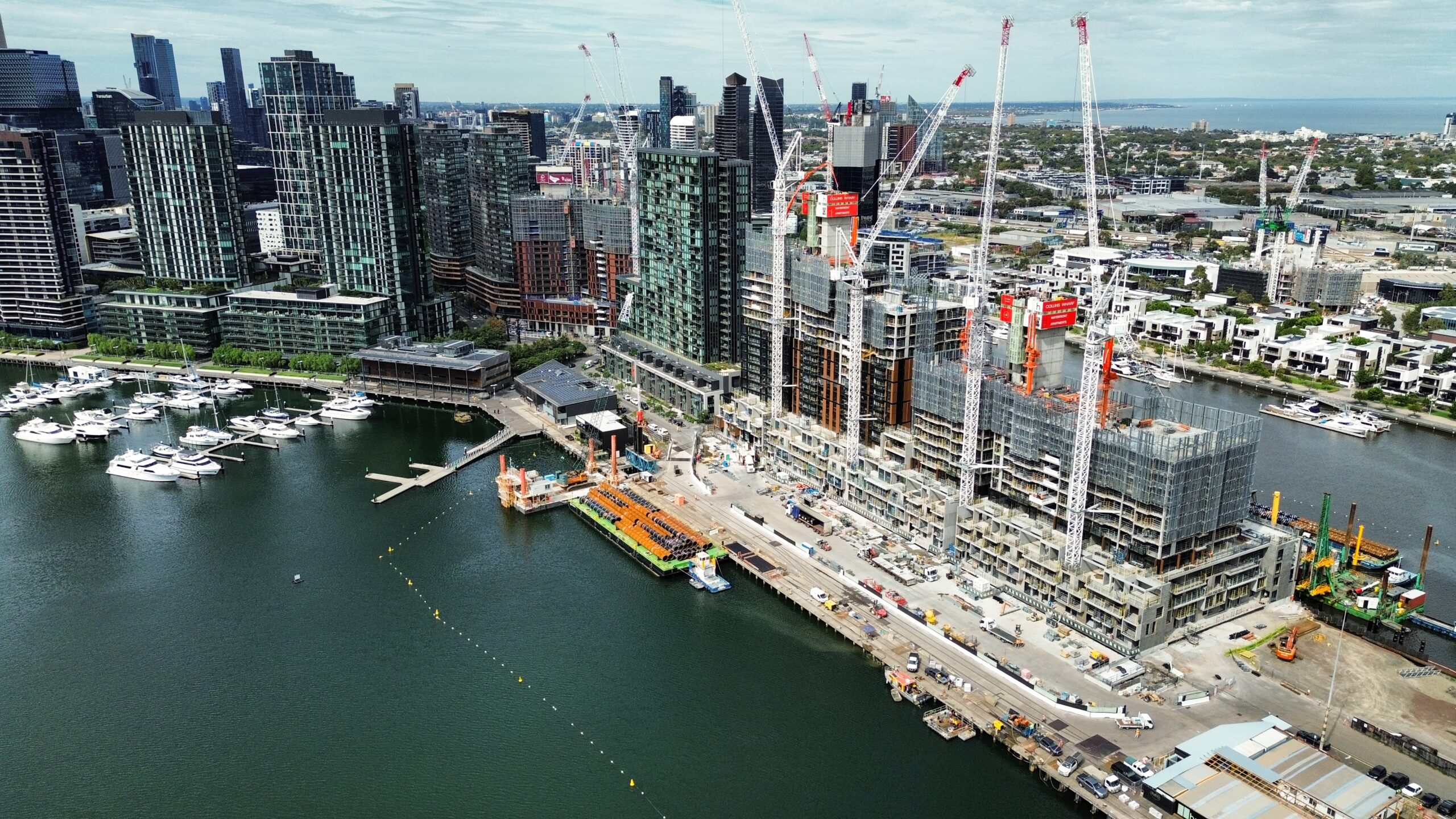
Shangri‑La Construction Pty Ltd (“SCP”) was appointed to design and construct a residential development in Victoria, Australia. SCP’s Managing Director, Mr Naqebullah, recommended that the external façade incorporated expanded polystyrene (“EPS”) cladding, which was later determined to be non‑compliant with applicable building regulations. Following remediation works funded by the State of Victoria (the “State”) (similar to the Building Safety Fund here in England & Wales), it pursued an action to recover such costs under Section 137F of the Building Act 1993 (Vic) (“Section 137F”), which was enacted in 2019. Section 137F is a strict liability provision which grants the State rights of subrogation against officers and/ or directors of contractors for the cost of cladding rectification work.
Pursuant to Section 137F, the State obtained summary judgment against Mr Naqebullah in the sum of approximately $3.17 million plus interest. Mr Naqebullah then sought indemnity under two consecutive “claims made and notified” professional indemnity policies taken out by SCP (the “Policies”).
Key questions
The Court was required to determine:
- Whether Mr Naqebullah was an “Insured” under the Policies;
- Whether a “Claim” had been made and notified within the relevant periods of insurance; and
- Whether the liability fell within the insuring clause, which responded to civil liability incurred in the conduct of the insured’s professional business.
Judgment
Insured status
The Court held that Mr Naqebullah was an insured person under the Policies. Although he was not named individually on the certificates of insurance, the policy documents, read as a whole (including the proposal forms), demonstrated that directors were intended to fall within the class of insureds.
Claims made and notified
The Policies were written on a strict claims made and notified basis. However, the State’s ability claim under Section 137F did not come into force until after the expiry of the Policies. As a result, and unsurprisingly, the Section 137F claim against Mr Naqebullah could not have been made during the relevant periods of insurance. Moreover, attempts to treat earlier proceedings involving SCP as the relevant claim, or to attach the Section 137F claim back to earlier notifications, were rejected as undermining the commercial purpose of claims made insurance.
Scope of the professional indemnity cover
Most interestingly from our perspective, the Court found that the liability imposed on Mr Naqebullah was not incurred in the conduct of professional business. “Professional Business” was defined by the Policies as design, including advice in relation to design in accordance with all relevant building, construction or engineering codes and standards.
It was Mr Naqebullah’s case that providing services as a registered building practitioner in drafting a specification under a design and construct contract constituted the provision of professional services of a skilful character as contemplated by the Policies.
However, no element of the State’s case against Mr Naqebullah involved provision of any design, specification or advice as contemplated by the “Professional Business” definition under the Policies, nor did Mr Naqebullah’s liability to the State depend in any way upon breach of a professional duty by him or by SCP. Instead, his liability arose solely (and strictly) under Section 137F as he was an officer of SCP at the time of the non‑compliant work.
Analysis and implications
This decision highlights an area of tension between statutory and/or strict liability regimes and professional indemnity insurance. Even where the factual background involves professional services, insurers will inevitably look closely at the legal basis on which liability is imposed. Where that basis arises in statute and/or by strict liability, PI insurance policies may not respond.
When that liability concerns actions taken by directors or officers, the question then becomes whether D&O insurance is able to plug any gap in cover.
Whilst there are no analogous strict liabilities directly arising from the design or construction of buildings here in England & Wales, sections 40 and 161 of the Building Safety Act 2022 (the “BSA”) did introduce offences for officers who commit, consent to or negligently fail to prevent breaches of the Building Act 1984 (including contravention of the Building Regulations) and breaches of Part 2 or Part 4 of the BSA (including obstructing building control or failing to manage Higher Risk Buildings).
While liability imposed on an individual by virtue of holding office might ordinarily be expected to fall within the scope of D&O insurance, such policies often contain broad professional services exclusions. This creates a real risk that policyholders may find themselves without cover under either policy.
Conclusion
For policyholders and brokers, the decision underlines the importance of reviewing PI and D&O cover together, rather than in isolation. Particular attention should be paid to the scope of the professional services definition and insuring clause alongside the breadth of professional services exclusions in D&O policies, and the extent to which programmes are designed to respond coherently to building safety liabilities.
Authors
Abigail Smith, Associate
Pawinder Manak, Trainee Solicitor

The Grenfell & Champlain Towers: Risk Management Considerations in the Wake of Catastrophic Loss — A UK/US Comparison
1. Introduction
As part of the multinational collaborative relationship between Saxe Doernberger & Vita, P.C. and Fenchurch Law, we continually find ourselves in conversations about the sometimes subtle but sometimes drastic differences between risk management and coverage considerations from one country to the next. These differences are often highlighted by the fallout from large catastrophic losses that are widely publicized and illuminate sometimes widespread risks and perils that many others may be facing in the coming years.
The response of governments and their subdivisions to the needs of victims and/or commercial parties, and insurance markets’ evaluation of and reactions to catastrophic losses vary widely from country to country and jurisdiction. In this article, we discuss these responses and reactions in the cases of the Grenfell Tower Fire in London, England, and the Champlain Tower collapse in Surfside, Florida, within the United States. These two widely publicized losses involved different risk management and insurance considerations based on where they occurred. They also saw substantially different government responses and raised varied questions about what the next steps are for their respective commercial and insurance markets.
This comparison highlights the variation in considerations that policyholders face when examining risks across national and international operations. What to expect and what to look out for depends heavily on where you do business, and we are excited to continue these conversations to support policyholders across the globe.
Whilst our joint analysis has identified some significant differences in the risk and insurance landscape for contractors and construction professionals operating in these key markets (largely, and perhaps unsurprisingly, driven by key regulatory and legislative differences), there are common themes including the effect of public response and awareness, insurance market reactions and risk management considerations.
2. The Grenfell Tower Fire
A. Background
On 14 June 2017, a catastrophic fire ripped through a high-rise residential building in Central London known as Grenfell Tower, resulting in the tragic deaths of 72 people. Prior to the fire, Grenfell Tower had undergone significant refurbishment, which included new windows and a rainscreen cladding system being fixed to the outside of the reinforced concrete structure. Many of the materials and components used were either combustible or not of limited combustibility, which is thought to have significantly contributed to the intensity of the fire and the speed with which it spread around the 24-storey structure.
The fire has had a seismic impact on owners, leaseholders, and tenants of buildings with unsafe cladding, many of which were, and continue to be, faced with huge challenges in relation to the cost of remediation and the interim fire safety measures.
The tragedy has also had a significant effect on those operating in the construction industry, including the availability and applicability of their insurance when faced with claims from parties seeking to fund the cost of removing and replacing unsafe cladding. That work of itself has, in some instances, revealed other defects, in turn leading to increased claims against those involved in the design and construction of buildings.
B. Immediate Implications
The focus after the tragedy was rightly to try and identify the cause of such an intense fire, with the refurbishment being the obvious starting point. The UK Government commissioned the Building Research Establishment to undertake a series of tests on aluminium composite material (“ACM”) panels in combination with a number of other common external wall components in order to test compliance with the Building Regulations. Only one of the tests passed, which included mineral wool insulation. Although the initial focus was on ACM, subsequent tests and investigations revealed similar non-compliances caused by the use of non-ACM materials.
The Government also immediately announced a Public Inquiry into the tragedy, which began hearing evidence in September 2017, leading to the Phase One report (dealing with the events on the night of the tragedy) being issued in October 2019, followed by Phase Two (concerned with the refurbishment of the tower) in September 2024. To date, the criminal and civil proceedings in relation to the Grenfell Tower itself remain ongoing, although that is most likely due to those proceedings needing to await the conclusions from the Inquiry.
External wall systems similar to those used on Grenfell Tower (both ACM and non-ACM) had been commonly used in both residential and commercial developments for many years (if not decades). Given the sudden attention which these systems were now receiving as a result of the public outcry following the tragedy, many involved in the design and construction of buildings using similar systems were facing immediate requests for information on the materials used and the threat of claims if the buildings were unsafe and/ or non-compliant with the Building Regulations.
C. Insurance Implications
Non-compliant cladding systems present an issue in relation to first-party insurance coverage, which is almost exclusively by damage. Absent a definition in the policy, damage will likely be determined by reference to common law authority, which is concerned with a physical change that has impaired the use or value of the insured property. Non-compliant cladding has not undergone a physical change – its condition has remained stable, and its unwanted quality comes from its non-compliance, which renders it defective (not damaged). Policyholders therefore had to look to other sources for insurance cover, including latent defect policies which provide first-party cover absent damage if there is a present or imminent danger.
From a liability perspective, contractors and construction professionals had little choice but to consider the nature and extent of their exposure to claims and their coverage for professional negligence claims, particularly in view of more restrictive cover being introduced on policy renewal, many of which included full or partial exclusions for fire safety and/ or cladding claims. Some policyholders were therefore placed in an unenviable position – either notify circumstances which could give rise to claims to an expiring policy knowing those notifications were likely to be challenged, or face the risk of any claims being excluded from subsequent policies as a result of either fire safety and/ pr cladding exclusions or known or prior circumstance exclusions.
In practice, many policyholders made ‘block notifications’ to their professional indemnity insurance policies in an attempt to salvage some insurance cover in the face of restrictive cover on renewal. Whilst relatively unusual prior to Grenfell, block notifications enable a policyholder to, as the name suggests, notify a large number of related circumstances at one time, although the validity of each will be assessed individually. Although there is a practical benefit to a policyholder in notifying circumstances in this way, it does attract suggestions from insurers that the subsequent claims aggregate as they are related (given that they lent themselves to a block notification).
D. Ensuing Litigation and Government Reactions
In the years that followed the Grenfell tragedy, a wave of claims were brought against contractors and construction professionals in relation to allegedly defective and/ or unsafe buildings. Solomonic reported in September 2024 that over 100 such claims were issued in the Technology & Construction Court since the Grenfell fire[1], although many more are likely to be in the pre-action phase. Policyholders were typically faced with challenges to cover under policies they might expect to indemnify them in respect of liability arising from such claims for numerous reasons, including that:
a) the validity of the notification (block or otherwise) – either that by reference to the applicable threshold and/ or requirements, notifications were made too soon or too late;
b) the claims arose from known circumstances if they were notified to the policy, which renewed in the months following the Grenfell tragedy;
c) some or all of the alleged issues were caused by poor workmanship, as opposed to design or specified, such that the claim was excluded; and/ or
d) even if the policy did respond, then any claims would aggregate as they arose from the same originating cause or the same act or series of acts.
To date, there have not been any significant reported judgments concerning disputed insurance cover for cladding or fire safety claims, although that is potentially a result of policyholders compromising claims when settling the underlying liability claim, or coverage claims being resolved by arbitration (which is a confidential dispute resolution process).
More generally, the necessary work to remove unsafe cladding / external wall systems has led to the discovery of wider issues, including internal fire safety defects (such as poor compartmentation or fire stopping) and structural defects (which were hidden behind external wall systems). These have been the subject of numerous and significant claims of their own right, including BDW Trading Limited’s claim against structural engineer, URS (now part of AECOM), which went all the way to the Supreme Court in 2025.
The drive to remediate unsafe buildings (with reports suggesting that 4,630 residential buildings over 11m still have unsafe cladding[2]) resulted in both the Government having to introduce public funding for those works, including the Building Safety Fund and the Developer Remediation Contract which required developers to remediate unsafe residential buildings or face being excluded from development work or denied building control approval on new developments.
However, notwithstanding the positive action taken by the Government, there were calls to improve the rights and remedies of affected owners, leaseholders, and tenants, as well as avoid repeated instances of systemic failures going forward – both of which were purposes of the Building Safety Act 2022.
E. The Building Safety Act 2022
The first formal step towards legislative change as a result of the Grenfell tragedy was the ‘Building a Safer Future’ publication in June 2019, although it took until 28 June 2022 for the Building Safety Act 2022 (“BSA”) to be implemented. The BSA introduced a raft of retrospective and prospective changes to building safety legislation, with the most significant from an insurance coverage perspective being:
a) Extension of the retrospective limitation period for claims under the Defective Premises Act 1972 (“DPA”) from six years to thirty years (fifteen years prospectively); and
b) The implementation of new remedies in the form of Remediation Contribution Orders (“RCOs”) and Building Liability Orders (“BLOs”) which, in prescribed circumstances, can ‘pierce the corporate veil’ and pass liability for the cost of remediating unsafe buildings from the original contracting party to its ‘associates’
Whilst it typically takes longer for the insurance coverage implications of such significant legislative changes to appear compared with the often more immediate impact on underlying liability claims, the following are already presenting issues in practice:
a) Given the surge in claims being made under the DPA, insurers are adopting a more restrictive approach to coverage under PI policies, including arguing that the duty under the DPA is strict and therefore does not trigger the reasonable skill and care requirement of most PI insuring clauses;
b) That liabilities arising from RCOs or BLOs are similarly uninsured as the act, error or omission giving rise to the liability is that of the associated entity, not the RCO or BLO defendant; and
c) That in any event, any claims which are now available pursuant to the BSA, arise from known or prior circumstances (and are therefore excluded) and/ or do not attach to any existing notifications in the years following the Grenfell tragedy.
These disputes are likely to take many years to resolve, although it seems inevitable that policyholders facing these new claims/ remedies will have little choice but to pursue their insurers given the sums at stake.
3. The Champlain Towers South Collapse
A. Background
In the middle of the night on June 24, 2021, a twelve-story beachfront condominium tower called Champlain Towers South in the Miami suburb of Surfside partially collapsed, killing nearly one hundred people and injuring almost a dozen more. An effort to recover survivors of the collapse began in earnest and continued through late July. Many people had to be rescued from the un-collapsed portion of the building, but only four people were rescued from the building’s rubble, and only three of them ultimately survived.
Champlain Towers South was originally built in the early 1980s, along with two other towers completed in the late 80s and early 90s. In the days leading up to the collapse, emerging cracks and other indications of structural stress were observed, including water leaking into the underground parking garage from an area that had been the site of many cracks and repairs over the years. One resident reported that minutes before the condominium tower fell, the pool deck and street-level parking collapsed into the underground garage.
The U.S. National Institute of Standards and Technology (“NIST”) assigned a team of scientists and engineers to investigate the cause or causes of the collapse, and their work continues to this day. Preliminary findings in 2021 indicated the collapse started in the pool deck rather than in the tower itself. NIST’s subsequent years of investigation determined that the collapse likely started in a pool deck slab-column connection and then progressed through the condominium tower. Their reports also indicate that there were indications of the building’s distress that were visible in the weeks before the partial collapse.
B. Litigation, Investigation and Government Action
Almost immediately, a lawsuit on behalf of the residents of the building and their survivors was brought against the Champlain Towers South Condominium Association’s board in the local trial court. Shortly thereafter, the court appointed class counsel for separate groups of those injured or killed in the collapse, survivors, and former residents. Subsequently, numerous other defendants that were involved in development, maintenance, management, security, or repairs for the tower, as well as their insurers, were added to the suit.
Just before the one-year anniversary of the collapse, the named defendants, as well as some unnamed defendants, and their insurers reached a $1.02 billion settlement with the plaintiffs in the class action. Despite the ultimate cause of the collapse being unknown, nearly half of the settlement came from a single company and its insurers, in relation to an on-duty security guard not triggering a building-wide alarm before exiting the building. Subsequent investigations into the causes of the collapse also raised concerns about significant deferred maintenance of the structure’s concrete components, waterproofing, saltwater corrosion of exposed rebar, inadequate original construction, impacts of construction at an adjacent site, and years of subsidence in the area.
Government reactions to the collapse have been focused locally and regionally, rather than nationally. There are hundreds of high-rise condominiums with thousands of units like those in the Champlain Towers all across Florida. In the wake of the collapse, Florida passed condominium reform legislation creating a state-wide inspection program for condo buildings taller than three stories. Buildings will go through a milestone inspection certification process upon reaching thirty years of age, or twenty-five if they are located within three miles of the coast. They will be inspected again every ten years afterward. Inspection records will be made public, and condominium associations will not be able to waive structural maintenance fund reserve requirements. That statute was later amended to give the local authorities discretion on whether to inspect at 25 or 30 years.
C. Insurance Implications
On the first party side, there is no real dispute that there was physical loss or damage to the Champlain Towers, but common issues in the property insurance markets are worth noting. Collapse has been a peril of focus for many years, and policies vary widely on whether they cover collapse, whether collapse is limited to certain causes, or whether it is subject to lower sublimits. Wear and tear, inherent vice, subsidence, or exclusions related to defective construction can also be problematic in situations like the Champlain Tower collapse. Undoubtedly, we will see more restrictive variations in these terms emerging as insurance markets react to the risks highlighted by this tragedy. Lenders, property owners, and developers must keep a keen eye on the markets in light of their portfolios’ risk profile to ensure buildings are properly underwritten.
In terms of liability, the collapse implicated a wide swath of operations, from property management and security to maintenance, professional consulting and improvements, and all of the insurance underwriting those operations. Through their association by management control, maintenance or upkeep operations, security services, or otherwise, numerous companies and their insurers were brought into the suits seeking damages caused by the tower’s collapse. Those managing or providing services at the site, or who performed maintenance or construction at the site, would rely on commercial general liability as the primary source of contribution. Any professional service providers, including architects or engineers that might have been involved, were also relying on professional errors and omissions liability insurance. The condominium’s board may also have been relying on errors and omissions coverage for decisions associated with allegedly deferred maintenance.
Although a swift settlement was reached in this case, there are some common and emerging issues in liability insurance that are worth highlighting. One of the most concerning is the market’s creeping limitations on completed operations coverage. Exclusions have started to pop up in liability insurance for work performed before the current policy period, despite no injury or damage ever occurring before the current policy period. So, for example, assume a waterproofing contractor worked at Champlain Towers two years before the collapse. If their insurance in place at the time of the collapse had an exclusion in it for work performed during a previous policy period, the insurance in place at the time of the collapse would not respond. Nor would the policy in place at the time of the work respond, because liability insurance typically requires bodily injury or property damage that did not occur until the collapse itself.
Over the years, we have seen incidents like this driving subtle changes in the market that do not get scrutinized until a loss has occurred and it is already too late. Given the jurisdictional and situational variability in the U.S., commercial parties must take a proactive approach to insurance placement and renewal to ensure they are keeping up with market shifts.
D. Broader Legislative and Commercial Considerations
Unsurprisingly, insurance premiums for condominiums in the area have increased by orders of magnitude since the collapse. Unlike the UK’s response of ensuring remedies for aggrieved survivors, Florida’s responses to increased insurance costs have been “tort reform,” with major legislation coming in the form of HB 837 in 2023. Amongst other things, the bill implemented a modified negligence system, reduced the statute of limitations for negligence claims, eliminated one-way attorney fees for bad faith in many cases, and placed other limitations on attorney fees as well as damages evidence. Insurers have benefited heavily from these reforms, and Florida touts the bill as a tremendous success in their favor.
In the United States, each state has its own scheme of statutes of limitations and statutes of repose. The former being the amount of time after which a claim can no longer be brought by an injured party. The latter being the amount of time after construction operations are completed beyond which construction defect claims cannot long be brought by anyone. In Florida, the statute of repose is seven years from, amongst other things, the date of a certificate of occupancy or completion, or when construction is abandoned. As with the reduced remedies under Florida’s “tort reform” bill, the statute of repose was actually shortened from ten years to seven.
Also, unlike the UK, there is no national corollary to the Building Safety Act, and public funding for proactive remediation of potential risks like those associated with the Champlain Tower collapse is rare. Sometimes, federal disaster relief is granted for specific catastrophes, but not since the implementation of superfund site support has the US seen proactive national support for risk remediation. Further, the general rules regarding corporate immunity and veil piercing, along with statutes of repose, can shield entities historically affiliated with a building like Champlain Towers if they are removed in time or association. The localized administrative requirements issued by Florida in response with respect to building inspections were the only meaningful government response to the tragedy. In the U.S., states and local governments vary significantly in how they balance the interests of builders, property owners or managers, and tenants or buyers.
Without comprehensive remedies to address the serious considerations raised by an event like the collapse, the focus has been on commercial reactions. Property owners and developers are taking stock of their profiles and reassessing risks based on the lessons learned. The operations and decision-making of property managers and boards with respect to needed and deferred maintenance of older buildings are getting a second look in light of known issues at Champlain before the collapse. Certainly, with respect to older concrete buildings near the ocean, contractors engaged in maintenance and upkeep operations are also highlighting the implications of the Champlain collapse in their transactions with owners. The collapse likely impacts the value and risk associated with older buildings, pushing owner and equity groups toward new construction generally, whereas the Grenfell issue is easier to identify as a prospective buyer.
However, commercial entities should also be looking out for changes in the insurance markets. As with other large-scale historic losses, such as Exterior Insulation and Finish Systems, we have seen changing terms creeping into policy terms. New forms and endorsements related to concrete, subsidence, wear and tear, or other similar items should get a second look in light of a company’s portfolio and risk profile. Without a close eye on the market, new exclusions have a habit of popping up when it is already too late.
4. Observations and Conclusions
While remedies available and governmental responses to catastrophes like Grenfell and Champlain vary considerably from country of jurisdiction to another, some risk management considerations are more normalized.
One significant difference we see in Grenfell as compared with Champlain is the relative speed at which survivors of the Champlain collapse settled their claims as compared those of the Grenfell catastrophe. Some observers noted that the Champlain suits settled relatively quickly due to the potential publicity associated with delaying compensation for the victims. This is in part a function of the ability of survivors to bring and establish a class action so quickly and verdict escalation in the U.S., with many potential parties at risk, each with limited insurance and assets to contribute and not wanting to get left out of a settlement. Compensation for Grenfell survivors will take longer, arguably because the criminal and civil proceedings needed to wait for the Public Inquiry to conclude. On the other hand, the UK saw national governmental implementation of new remedies in response to Grenfell, where no such national response occurred in the U.S. after Champlain. Instead, Florida’s pressure from the insurance markets actually eroded policyholder remedies.
In part, the sheer size of the U.S., but also its more recent historical political tendencies, make it unsurprising that national remedies in response to a tragedy like Champlain would be unlikely. As such, changes in remedies tend to be more localized, though still influenced by large commercial interests lobbying power. Additionally, proactive risk management is much more of a commercial exercise rather than adjusting to legal changes. Policyholders in the U.S. benefit substantially from robust reviews and vigorous engagement in the insurance procurement and contractual risk management processes. This should include keeping an eye on insurance markets for reactions to publicized risks and addressing these risks up front through business practices.
By comparison, the national remedies in response to Grenfell in the UK may have taken time to implement, but their impact has been widespread both in terms of the rights and remedies of those effected by unsafe cladding in the built environment, as well as the building safety regime and regulations for new buildings. Those changes have dramatically increased the liability landscape for contractors and construction professionals, inevitably resulting in increased insurance coverage disputes in relation to historic projects. However, at the same time, those measures seek to reduce the building safety risks in future projects, which should, in turn, lead to improved design, procurement, and risk management measures and, ultimately, reduce the liability exposures of those operating in the construction industry.
Despite the jurisdictional differences, there are some risk management and insurance considerations that will be more universal. Policyholders must still pay close attention to managing retrospective dates, aggregation clauses, and notification provisions in claims and risk management practices. Policyholders should also take stock of statutes of limitations or repose in jurisdictions where they have operations, and trends in completed work or continuing damage terms in their insurance markets to stay current on best practices.
Authors
Rob Goodship, Partner Fenchurch Law
Eric Clarkson, Senior Associate, SDV Law
[1] 100+ cladding and fire safety claims seven years on since Grenfell Tower fire — Solomonic
[2] Housing block residents still caught in cladding crisis after Grenfell tower fire | The Independent

A Vivid Reminder: Fire Safety Defects Can Trigger Cover
Ten years on from Grenfell, fire safety defects remain one of the defining issues in the built environment. Against that backdrop, the recent decision in Vivid Housing Ltd v Allianz Global Corporate & Specialty SE [2025] offers important guidance on how the courts approach ‘imminent damage’ and reinforces the need for insurers to be part of the solution rather than an obstacle to remediation.
At Fenchurch Law, we have advised on several imminent danger cases, an example being Nova House, Slough – which involved a variety of fire safety and structural issues. The decision in Vivid, which involved an application for summary judgment, sits squarely within this developing line of authority and offers policyholders helpful clarity.
The Policy
The operative clause at the heart of this application is Clause 3(a), which states:
Clause 3(a) Operative Clause
"The Insurers agree to indemnify the Insured against the cost of repairing, replacing and/or strengthening the Premises following and consequent upon a Defect which becomes manifest and is notified to Insurers during the Period of Insurance and not excluded herein causing any of the following events:
(i) destruction of the Premises; or
(ii) physical damage to the Premises; or
(iii) the threat of imminent destruction or physical damage to the Premises which requires immediate remedial measures for the prevention of destruction or physical damage within the Period of Insurance."
The Dispute
Vivid submitted a claim in May 2019, contending that several building safety defects had manifested at the Property, and that they all fell within the Policy's definition of "Defect", thereby triggering the Operative Clause. Allianz denied that contention.
The summary judgment application focused solely on the meaning and scope of sub-clause(iii):
"the threat of imminent destruction or physical damage to the Premises which requires immediate remedial measures for the prevention of destruction or physical damage within the Period of Insurance."
The key question here, assuming that there were such “Defects”, was whether there was a risk of imminent damage.
The Defects
- Defect 1 (Rockpanel cladding): Vivid alleged that combustible RP cladding and foam insulation were used on a building over 18m high without proper testing or barriers. It also said that combustible debris in cavities could enable fire and smoke to spread externally.
- Defect 2 (vertical cavity barriers): Vivid contended that required vertical cavity barriers were missing, allowing fire or smoke to spread unnoticed throughout the building.
- Defect 3 (horizontal cavity barriers): Vivid claimed that missing or faulty cavity barriers at party walls, slab edges, and window openings could allow fire and smoke to spread undetected throughout the development.
- Defect 4 (Rockclad bracketry): Vivid states that RP cladding panels were not properly secured to vertical rails, with brackets that were inadequately supported or overstressed, posing a risk of detachment or damage.
- Defect 5 (building debris): Vivid claimed that debris left in building cavities created a fire hazard, facilitated fire spread, and enabled water to enter flats, causing further damage.
Allianz’s Position
Allianz argued that “imminent” required a serious and immediate likelihood of damage occurring soon, which it said was not the case as of August 2019.
In their view, the clause did not cover threats that would materialise only if a non-imminent event occurred, nor extend to circumstances where remedial measures are not immediately necessary to prevent destruction or damage within the policy period.
There was no likelihood of damage occurring soon as at August 2019, Allianz said, because:
(i) Vivid’s response in the notification to whether urgent repairs were required was “N/A.”
(ii) The only measures implemented during the policy period were “Waking Watch” arrangements, which were not intended to prevent property damage.
(iii) No damage occurred during the policy period, despite the absence of remedial works.
Vivid’s Position
Vivid, by contrast, contended that “imminent damage” should be assessed objectively, and that there was no requirement that the destruction or physical damage should happen soon. On its proper construction, they said that sub-clause (iii) applied where a reasonable observer would conclude that there was a realistic prospect of physical damage requiring immediate remedial measures to prevent it.
As to each of the defects, Vivid argued that:
(i) Defects 1, 2, 3 and 5 made the development vulnerable to physical damage in the event of fire, giving rise to a realistic prospect that imminent physical damage might occur. That risk was constant given the frequency of fires, supported by evidence of similar incidents.
(ii) Defect 4 put the cladding panels and bracketry at risk of deformation and detachment, giving rise to a realistic prospect that imminent physical damage might occur.
The Court’s Decision
The Court considered whether the defects created a threat of imminent destruction or damage sufficient to engage the policy.
As to the fire safety defects, the Court held that it could not be said there was no realistic prospect of establishing a serious risk of fire and imminent damage, particularly given the implementation of Waking Watch measures, which reflected an ongoing fire concern. Put differently, the presence of a Waking Watch did not undermine the concern of a present or imminent danger. Quite the opposite, it was that very concern which required the Waking Watch to begin with.
The court emphasised that the policy required not only an imminent threat but also that immediate remedial works are necessary to prevent destruction or damage within the period of cover. Whether this threshold is met is fact-sensitive; typically, imminent threats necessitate immediate repair or mitigation. Temporary measures such as Waking Watch do not negate the need for remedial works.
Ultimately, the court concluded:
"Vivid’s case on the construction of the policy clause and whether the policy responds has a real prospect of success in relation to all Defects other than Defect 4, and the application for summary judgment is refused."
In respect of Defect 4 (Rockclad bracketry), which was unrelated to fire risk, the Court found in Allianz’s favour and granted summary judgment.
For Defects 1, 2, 3 and 5, the Court accepted that the fire‑related risks created a realistic prospect of imminent damage.
ANALYSIS
Why Did the Court Exclude Defect 4?
Defect 4 involved the risk of deformation and detachment of cladding panels and bracketry. Intuitively, one might say this creates a clear risk of physical damage. However, the court held that the defect did not amount to a fire‑related risk and did not require “immediate remedial measures” to avoid destruction or damage within the policy period.
Two nuanced reasons are at play:
- Immediacy: the deformation risk was progressive, not acute.
- Requirement for immediate works: unlike fire safety defects, the defect did not necessitate urgent intervention to avoid catastrophic loss.
This highlights a key theme in imminent danger cases: the immediacy of required remedial work often drives the outcome more than the nature of the defect itself.
Why Vivid Matters
Similar wording has been scrutinised before, most notably in Manchikalapati & others v Zurich Insurance plc & others [2019] (“Zagora”), and the court’s approach in Vivid aligns with and develops that earlier guidance.
In Zagora, the court held that imminence requires a real and present risk, not a remote or hypothetical possibility. Vivid adopts that framework but clarifies how it applies to fire safety defects, emphasising:
- fire events are inherently unpredictable;
- where fire‑related defects exist, the risk of damage is constant; and
- temporary measures (e.g., Waking Watch) do not remove the underlying risk.
CONCLUSION
The decision in Vivid is consistent with previous case law and provides helpful confirmation that:
- Fire safety defects can constitute imminent danger;
- Temporary measures such as Waking Watch do not exclude immediacy;
- The courts will continue to apply the principles developed in Zagora; and
- Insurers must recognise their role in enabling, rather than hindering, fire safety remediation.
For policyholders, the judgment offers helpful reassurance. For insurers, it is a reminder that narrow constructions of imminent danger are increasingly difficult to sustain.
Importantly, policyholders should not be required to wait for an actual fire incident before their insurance coverage becomes applicable. The judgment clarifies that waiting for harm to occur before responding to the risk is both unreasonable and contrary to the purpose of fire safety provisions.
Chloe Franklin is an Associate at Fenchurch Law


New Guidance on the Scope of RCOs: The Upper Tribunal’s Judgment in Edgewater (Stevenage) Limited and Others v Grey GR Limited Partnership
Last week, the Upper Tribunal (Lands Chamber) (“UT”) handed down its judgment in a highly-anticipated appeal against a swathe of Remediation Contribution Orders (“RCOs”), providing further guidance on the scope of section 124 of the Building Safety Act 2022 (“BSA”).
In dismissing the appeal on all grounds, Mr Justice Edwin Johnson confirmed that:
- The First-tier Tribunal (“FTT”) have jurisdiction to make RCOs against multiple parties on a joint and several basis, provided that it is just and equitable to do so (which, he was careful to note, will be a “very fact sensitive exercise”);
- The factors which the FTT may take into account when considering whether it is just and equitable to make the order under section 124(1) of the BSA are “very wide” and are not capable of exhaustion;
- Whilst the initial burden is on the applicant to put forward a case as to why it is just and equitable to award an RCO, the evidential burden is ultimately shared between the parties;
- Reference to a building safety risk in section 120(5) of the BSA is a reference to “any risk” which satisfies the conditions of the BSA, and is not a reference to risks above a particular level; and
- The question of whether remedial costs are reasonable will depend on a number of factors, including any reliance on expert reports as to the scope of the works and the time pressure that stakeholders are under to remediate continuing risks to residents.
We highlight our key takeaways for those operating in the construction and property sectors below.
Background to the appeal
The appeal relates to the development of Vista Tower, a residential high-rise building in Stevenage, the freehold of which was sold to the Respondent, Grey GR Limited Partnership (“Grey”) in 2018.
Soon after, post-Grenfell investigations led to the discovery of significant fire safety defects in the building’s external walls and a Remediation Order was issued requiring Grey to remedy those defects by 9 September 2025.
On 24 January 2025, Grey was granted RCOs against 76 corporate entities associated with the developer, Edgewater (Stevenage) Limited (the “Appellants”). Controversially, those RCOs declared each of the 76 Appellants jointly and severally liable for the total sum payable, which was in excess of £13 million.
The RCOs were appealed on a number of grounds.
Joint and several liability for RCOs
The first ground of appeal concerned whether the FTT had the jurisdiction to issue an RCO on a joint and several basis.
The Appellants, in arguing that it did not, relied on the fact that section 124(2) of the BSA describes an RCO as an order against “a specified body corporate or partnership” in the singular, rather than in the plural. In other words, the Appellants said that whilst it is open to the FTT to make a series of orders against different entities, it cannot impose a joint liability under the same order.
Interestingly, in parallel with the RCO application, Grey has commenced proceedings in the High Court (Technology and Construction Court), against the developer and two other Appellants, for a Building Liability Order (“BLO”) pursuant to section 130 of the BSA. Those proceedings have not yet come to trial, but the Appellants’ argument as to the scope of the wording in section 124(2) lead to an interesting analysis of the distinction between RCOs and BLOs.
The UT confirmed that section 130 has a different jurisdiction to section 124, and works in a different way. Section 130 applies where a body corporate has a liability under (a) the Defective Premises Act 1972 or section 38 of the Building Act 1984, or (b) as a result of a building safety risk, and is “fairly rigid in its operation”: the liability to which the original body is subject can be made transmissible to associated parties.
In contrast, under section 124 RCOs are “more flexible and open ended”: it is for the FTT to decide what amount should be paid, and by whom, and on what basis.
Ultimately, Mr Justice Johnson held that the Appellants’ singular interpretation of section 124(2) was too narrow, identifying no reason why it could not be read as a plural. Most significantly, however, he identified an obvious problem with enforcement where one or more respondent is impecunious:
“If one then assumes a situation, which will not be uncommon, where some of the respondents are or may be unable to pay, the applicant party or parties will be left with something resembling a colander, in terms of their ability to recover the total sum ordered to be paid.”
In that scenario, where an applicant is prevented from obtaining the necessary funds for remediation, the statutory purpose of the BSA is clearly frustrated. For that reason, the UT has held that the FTT does have the power to make joint and several RCOs, noting that it will not be the starting position in every case, and that it must carefully consider whether it is just and equitable to do so (which is likely to be a “very fact sensitive exercise”).
Notably, the Appellants also argued that their inability to seek contributions from others in FTT proceedings (pursuant to the Civil Liability (Contribution) Act 1978) was another reason why joint and several liability should not be imposed. However, the UT rejected that argument on the basis that Parliament had intended not to concern itself with the question of contribution in relation to RCOs (but presumably had done so in relation to BLOs, which are pursued via court proceedings) and, in any event, the issue of apportionment/contribution could be dealt with as part of the just and equitable analysis, where circumstances required.
The “just and equitable” test
The Appellants’ secondary position was that it was not just and equitable to grant an RCO as some of the Appellants did not participate in the development, nor profit from it.
The FTT had considered the very limited evidence provided by the Appellants in relation to their corporate structure, and had found that they were part of a “fluid, disorganised and blurred network” which, rather than being financially separate, most likely had a tendency to take from whichever company had money when it was needed by another. The Appellants’ evidence on this point did not impress the UT, with Mr Justice Johnson describing it as “incomplete and unsatisfactory”, a factor which appears to have weighed heavily on him when considering the grounds of appeal.
In rejecting the argument that it was not just or equitable for the FTT to award the RCO on a joint and several basis, Mr Justice Johnson confirmed that the FTT’s discretion is “very wide” and that, in drafting section 124(1), Parliament had chosen not to list or limit the factors to be taken into account. He remarked that, if he were to try and list the factors on which the FTT might rely, he “would be at risk of committing the basic error of attempting to re-write Section 124(1)”.
Mr Justice Johnson also highlighted that, whilst the initial burden is on an applicant to put forward its case as to why it is just and equitable to make an RCO, that burden is not to be overstated, and it is for a respondent to put its case in response.
The meaning of “building safety risk” in section 120(5) of the BSA
One area in which the UT disagreed with the FTT was the meaning of “building safety risk” under section 120(5) of the BSA.
The FTT had defined a “building safety risk” restrictively, as any risk which exceeded the “low” or tolerable category used in PAS9980 assessments. Mr Justice Johnson was careful to correct that interpretation however, advising that section 120(5) “means what it says”.
In other words, it does not refer to any particular level of risk and refers instead to any risk which is captured by the BSA. If Parliament had intended to refer to risk at a particular level, it would have done so (as it had in other parts of the legislation). As no particular level of risk had been referenced in section 120, it was not for the FTT to rewrite the BSA.
Whilst not mentioned in the judgment, that analysis is consistent with the FTT’s recent decision of 6 January 2026 in Canary Riverside Estate (LON/00BG/BSA/2024/0005 LON/00BG/BSB/2024/009) which held that “any risk” of fire spread or structural collapse, however small, is enough to constitute a building safety risk under section 120.
The reasonableness of remedial costs
Finally, the Appellants challenged the reasonableness of one aspect of the costs incurred. Namely, the removal of combustible foam insulation from cavity walls.
Expert witnesses had agreed that, from a purely technical perspective, it had been disproportionate to remove the foam altogether, and a cheaper and simpler solution would have been to leave it in place with the addition of a cavity barrier as effective fire stopping.
In considering the reasonableness of the works, the FTT had placed “significant weight” on the agreement of the experts, but had also considered other factors that may have affected the scope of the works, including the need to implement the remedial scheme quickly in order to minimise the continuing risk to residents living in unsafe conditions, and the fact that Grey’s PAS9980 report had concluded that the foam insulation was “high risk” and needed to be removed.
The Upper Tribunal held that the costs incurred in removing the insulation were reasonable on the basis that it was not for Grey to question the advice of its fire engineers. Rather, it was reasonable for Grey to have relied upon the PAS9980 report and not to have revisited it later in order to reduce the scope of works, especially considering the time pressure it was under from the Secretary of State to minimise the continuing risk to residents.
Implications
The decision reads as a salutary tale to developers and their associates: not only does the FTT have jurisdiction to award RCOs on a joint and several basis, but that jurisdiction may extend to associates who have not participated in the development, or profited from it.
Clearly, that is more likely to be the case where (a) there is a question mark over whether the developer is financially able to meet its responsibility under the RCO, or (b) where respondents fail to provide a comprehensive explanation of corporate structures, or are part of financially fluid networks that cannot easily be isolated, all of which were significant factors in the UT’s reasoning.
Whether the Courts adopt the same analysis in relation to BLOs remains to be seen, although that is a significant possibility given how other UT judgments have been upheld by the Courts (for instance, Adriatic Land 5 Ltd v Long Leaseholders at Hippersley Point [2025] EWCA Civ 856).
Authors

Fenchurch Law – Annual Coverage Review 2025
As the insurance market continues to navigate evolving risks, regulatory frameworks, and geopolitical developments, 2025 has delivered a series of judgments that set important precedents as well as reaffirming established coverage principles. This annual review highlights the key themes emerging from these decisions and their practical implications for those responsible for managing coverage and compliance.
The cases reported this year address critical issues such as the interpretation of policy terms, the scope of notification obligations, the application of fair presentation duties and the classification of policy terms under the Insurance Act 2015. They also explore the impact of third-party rights, insolvency considerations, and principles regarding multiple cover when ‘other insurance’ clauses are in play.
Collectively, these rulings clarify the boundaries of contractual and statutory duties, reinforce the importance of timely and accurate disclosures, and provide guidance on maintaining coverage integrity in complex scenarios.
This round-up aims to equip policyholders and brokers with a clear understanding of the legal trends shaping the insurance landscape, including salutary reminders and pitfalls to avoid.
Unless otherwise stated, the Insurance Act 2015 is referred to as the “2015 Act” and the Third Parties (Rights Against Insurers) Act 2010 as the “2010 Act”.
Insurance Act 2015
- Lonham Group Ltd v Scotbeef Ltd & DS Storage Ltd (in liquidation) (05 March 2025)
In this Judgment, the Court of Appeal issued seminal guidance on how the 2015 Act treats representations, warranties, and conditions precedent. The Court was asked to determine whether the requirements under a Duty of Assured clause were representations or conditions precedent and thus triggering different sections of the 2015 Act.
The policy contained a three‑limb “Duty of Assured Clause” requiring D&S to:
- Declare all current trading conditions at policy inception.
- Continuously trade under those conditions.
- Take all reasonable steps to ensure those conditions were incorporated into all contracts.
The Court was asked to consider whether all three limbs needed to be read collectively (i.e. they would all be classified as either representations or conditions/warranties) or separately (so that each limb was capable of a separate classification). Overturning the decision of the High Court, the Court found that limb 1 was a pre-contractual representation subject to the duty of fair presentation of the 2015 Act, but limbs 2 and 3 were warranties and conditions precedent. As such, in accordance with the 2015 Act, the Insurer had no liability after the date on which the warranty had been breached.
This classification was said to reflect the 2015 Act’s intent: representations allow for proportionate remedies if inaccurate; terms requiring future conduct held to be warranties and/or conditions, by contrast, enable insurers to reject coverage upon breach, provided the terms are clearly drafted.
This decision marked the first major Court of Appeal test of Part 3 of the 2015 Act, and confirms that Duty of Assured clauses can contain both historic representations that go to the Insured’s duty of fair presentation, and warranties as to future conduct, which can have particularly catastrophic consequences if breached. It serves as a reminder to Policyholders and Brokers to scrutinise policy terms and ensure compliance.
Read our full article here.
- Clarendon v Zurich [2025] EWHC 267 (Comm) – Commercial Court Judgment (13 February 2025)
Fenchurch Law acted for Clarendon Dental Spa LLP and Clarendon Dental Spa (Leeds) Ltd, who claimed under a Zurich property damage and business interruption policy after a major fire. Zurich sought to avoid liability, alleging breach of the duty of fair presentation under the 2015 Act for failing to disclose insolvency of related entities.
The Court examined Zurich’s proposal question, “Have you or any partners, directors or family members involved in the business… been declared bankrupt or insolvent…?,” and held that a reasonable policyholder would interpret it as referring only to current directors or partners, not former entities. Consistent with Ristorante Ltd v Zurich (2021), and applying contra proferentem, the Court confirmed that ambiguity in insurer questions is resolved in favour of the insured and that disclosure obligations are shaped by the questions asked at inception.
Overall, the Court concluded Clarendon’s answers were correct and, in any event, Zurich had waived any right to disclosure beyond the scope of its own questions.
Please see our full article here.
- Delos Shipholding v Allianz [2025] EWCA Civ 1019
The Court of Appeal upheld the earlier Commercial Court’s ruling, reinforcing policyholder rights under marine war risks insurance and clarifying the duty of fair presentation under the 2015 Act. The case concerned the bulk carrier WIN WIN, detained by Indonesian authorities for over a year after a minor anchoring infraction. Allianz denied cover, citing an exclusion for detentions under customs or quarantine regulations and alleging non-disclosure of criminal charges against a nominee director.
The Court confirmed the exclusion must be construed narrowly, only detentions genuinely akin to customs or quarantine regulations fall within its scope and the WIN WIN’s detention did not qualify. It also reaffirmed that fortuity remains where the insured’s actions were neither voluntary nor intended to cause the loss. On duty of fair presentation, the Court held the nominee director (who had no decision-making authority) was not part of “senior management” under the 2015 Act, so the Policyholder had no actual or constructive knowledge of criminal charges against him. Further, Allianz had failed to prove that the charges were material and would have induced Allianz to enter into the insurance contract.
Our article on the Court of Appeal Judgment can be found here. Our earlier article on the Judgment of first instance is also here.
- Mode Management Limited v Axa Insurance UK PLC [2025] EWHC 2025 (Comm)
Following a fire on 7 February 2018 at industrial units in Brentwood, Mode (the named insured) and its director (the property owner) sued AXA under a “Property Investor’s Protection Plan” seeking declaratory relief, specific performance (to reinstate/put them back to the pre‑loss position), and other remedies. AXA had avoided the policy ab initio in September 2018 for alleged misrepresentation/non‑disclosure (including questions over insurable interest and planning permission) and applied for summary judgment.
The Commercial Court (Lesley Anderson KC sitting as Deputy High Court Judge) granted AXA’s application. The judge held that the claims were statute‑barred under the Limitation Act 1980, and in any event had no real prospect of success, including the insured’s bid for specific performance of AXA’s alleged secondary liability to reinstate.
The director’s personal claim also failed because he was not a party insured under the policy. The Court emphasised that, on the pleaded facts and policy wording, specific performance was not an available remedy, and the case could be resolved without a trial.
The Judgment can be accessed here.
- Malhotra Leisure Ltd v Aviva [2025] EWHC
During the Covid-19 lockdown in July 2020, a cold-water storage tank burst at one of Malhotra’s hotels, causing significant damage. Aviva, the property damage and business interruption insurer, refused indemnity, alleging the escape of water was deliberately and dishonestly induced by the claimant and that there were associated breaches of the policy’s fraud condition.
The Commercial Court held that Aviva bore the burden of proving, on the balance of probabilities, that the incident was intentional. The Court found that available plumbing and expert evidence supported an accidental explanation, and Aviva’s own expert accepted the escape could have been fortuitous.
The Court also scrutinised Aviva’s allegations of dishonesty in the presentation of the claim, finding that the Fraud Condition must be interpreted in line with the common law, meaning it applies only to dishonest collateral lies that materially support the claim, consistent with The Aegeon and Versloot. Because there was no evidence of dishonesty, and the alleged inaccuracies were either immaterial or inadvertent, the fraud condition did not bite, and Malhotra Leisure was entitled to indemnity.
Please see our full article here.
In a separate costs hearing, the Commercial Court was asked to determine whether costs should be awarded on the standard or indemnity basis. The claimant’s approved costs budget was £546,730.50, but actual costs exceeded £1.2 million, making the distinction significant.
The Court noted that while there is no presumption in favour of indemnity costs where fraud allegations fail, such allegations are of the highest seriousness and, if unsuccessful, will often justify indemnity costs. The Judge found that Aviva’s allegations inflicted financial and reputational harm and were pursued to trial without settlement discussions. As a result, the Court ordered Aviva to pay the claimant’s costs on the indemnity basis, including an interim payment of £660,000, demonstrating the Court’s uncompromising approach towards unfounded fraud allegations.
Please see our full article here.
Effect of Third Parties Rights against Insurers Act 2010
- Makin v QBE [2025] EWHC 895 (KB), Archer v Riverstone [2025] EWHC 1342 (KB), and Ahmed & Ors v White & Co & Allianz [2025] EWHC 2399 (Comm)
This trio of cases highlights the strict approach taken to claims notification provisions in liability insurance policies alongside their impact under the 2010 Act and reaffirms that Claimants under the 2010 Act will have to suffer the consequences of a policyholders breach of conditions.
The Courts confirmed that third-party claimants inherit not only the insured’s rights but also its contractual obligations. Notification clauses were treated as conditions precedent, even where not expressly labelled as such, meaning a breach of these provisions entitled insurers to deny indemnity.
In Makin, Protec Security delayed notifying QBE for three years after an incident that ultimately led to catastrophic injury. The Court held that the obligation to notify arose once Protec reasonably appreciated potential liability which was well before formal proceedings. Ultimately, failure to comply barred recovery.
Similarly, in Archer, R’N’F Catering failed to notify Riverstone promptly and ignored repeated requests for information. The Court rejected arguments that the claimant’s later cooperation could cure the insured’s breach, confirming that rights lost by the insured cannot be revived under the 2010 Act.
Both judgments emphasise that the trigger for notification is not the incident itself but the point at which the insured knows a claim may arise. Excuses such as administrative errors (argument that relevant correspondence had been sent to a spam folder) or insolvency were given short shrift.
By contrast, Ahmed focused on whether notifications made by White & Co to Allianz were sufficiently clear to trigger coverage under a professional indemnity policy. Despite extensive correspondence, the Court found none of the notifications adequately identified the claims or potential liabilities intended to be covered. The judgment underscores that compliance is not just about timing but also clarity and substance, vague or incomplete notices may fail to engage the policy.
The case also illustrates how technical drafting, such as aggregation clauses and endorsements, can compound the consequences of inadequate notification, limiting recovery even where coverage might otherwise apply.
These decisions reinforce several key points for policyholders and claimants:
- Notification clauses, even if unlabelled, may operate as conditions precedent.
- Breaches by the insured cannot be remedied by third-party claimants under the 2010 Act.
- Both timing and clarity of notifications are critical; “can of worms” notifications must be explicit.
- Failure to comply can result in catastrophic loss of indemnity, regardless of claim severity.
Policyholders, with their Brokers' assistance, should adopt a proactive and precise approach to claims notification to avoid disputes and preserve coverage.
Please see our full article on Ahmed here.
The full Judgment on Ahmed is available here.
Aviation
- Russian Aircraft Lessor Policy Claims [2025] EWHC 1430 (Comm).
In a landmark Judgment handed down on 30 June 2025, the Commercial Court determined coverage disputes arising from the grounding and expropriation of hundreds of Western leased aircraft in Russia following the invasion of Ukraine and the imposition of Russian Order 311 in March 2022. The claims, brought by a consortium of lessors including AerCap, DAE, Falcon, KDAC, Merx and Genesis, were the subject of a “mega trial” and resulted in the largest ever insurance award by the UK courts of over £809 million.
The Court held that Contingent Cover responded because the aircraft were not in the lessors’ physical possession and operator policy claims remained unpaid (interpreting, “not indemnified” as “not paid”). Applying a balance of probabilities standard, permanent deprivation was deemed to occur on 10 March 2022, with Russian Order 311 identified as the proximate cause amounting to an effective governmental restraint. This amounted to governmental “restraint” or “detention,” which fell within the Government Peril exclusion under the All-Risks section. Under the Wayne Tank principle, where there are concurrent causes, one covered and one excluded, the exclusion prevails, meaning All Risks could not respond. Consequently, the claims were covered under the War Risks section.
The biggest takeaway for Policyholders from this case, is the guidance that Mr Justice Butcher adopted from the Australian case of LCA Marrickville Pty Limited v Swiss Re International SE [2022] FCAFC 17, which held that:
“The ease with which an insured may establish matters relevant to its claim for indemnity may influence questions of construction … a construction which advances the purpose of the cover is to be preferred to one that hinders it as a factor in construing the policies.”
Please see our full article here.
Building Safety Act 1972
- URS Corporation Ltd (Appellant) v BDW Trading Ltd (Respondent) [2025] UKSC 21
In summary, BDW (being the relevant developer) sued URS (being the design engineers) in negligence for repair costs from structural defects in two development schemes. The Supreme Court was asked to decide whether such voluntarily incurred cost was recoverable and whether section 135 of the Building Safety Act 2022 (“BSA”) extends limitation for such claims.
The Supreme Court unanimously found that once developer knows that defects are attributable to negligent design then remedial works – even on property no longer owned by it – are not ‘voluntary’ in the sense they fall within the ambit of the engineers’ duty. This fortifies the existing common law principles that loss incurred in reliance on professional duty is recoverable, even absent a direct proprietary interest.
The Court clarified that section 135 of the BSA merely extends time for Defective Premises Act 1972 claims and does not revive or extend limitation periods for tortious claims. Policyholders should note that professional indemnity insurers need not cover historic negligence where properly time-barred under the Limitation Act 1980, unless otherwise endorsed.
The Court also held that section 135 of the BSA does not permit developers to treat their negligent repair costs as falling within extended timeframes, preserving clear statutory boundaries between contract/statutory claims and tort claims.
Read our full article on the Supreme Court’s Judgment here.
CAR Policies
- Sky UK Limited & Mace Limited v Riverstone Managing Agency Ltd [2025] EWCA Civ 1567
Insurers sought permission to appeal the Court of Appeal’s December 2024 decision in Sky v Riverstone ([2024] EWCA Civ 1567), which confirmed that deterioration and development damage occurring after the policy period, but stemming from damage during it, was covered under the CAR policy, along with investigation costs and a single deductible per event.
On 30 April 2025, the Supreme Court refused permission to appeal, leaving the Court of Appeal’s ruling intact. This outcome reinforces that insurers cannot restrict recovery to damage physically present at the end of the policy period and affirms a practical approach to progressive damage under CAR policies.
Overall, the refusal cements the Court of Appeal’s interpretation, providing certainty for policyholders on coverage for post-expiry deterioration linked to insured-period damage.
Our article on the Court of Appeal ruling, now confirmed by the Supreme Court’s dismissal is found here.
Latent Defects
- National House Building Council v Peabody Trust [2025] EWCA Civ 932 (CA)
The Court of Appeal resolved a key limitation question over NHBC Buildmark insurance’s “Option 1 – Insolvency cover before practical completion.” Under this extension, insurance is triggered not by the contractor’s insolvency per se but when the employer (Peabody) “has to pay more” to complete the homes because of the insolvency.
The underlying development involved 175 dwellings, including 88 social housing units. The contractor became insolvent in June 2016, and Peabody arranged for completion thereafter, with practical completion in January 2021. The claim for additional completion costs was brought in July 2023. NHBC contended that the cause of action accrued in 2016, when the contractor became insolvent, and was now statute-barred; Peabody argued instead that it accrued when costs were actually incurred.
The Court unanimously agreed with Peabody, affirming the Technology & Construction Court’s view that the policy insured against additional payment triggered by insolvency, so the cause of action only accrued when extra costs became payable. The NHBC appeal was dismissed.
This decision emphasises the importance of carefully identifying the insured event as defined in policy terms and confirms that policies with “pay-when-loss-incurred” triggers should be interpreted on their true wording rather than conventional accrual rules.
The Judgment can be found here.
Other Insurance
- Watford Community Housing Trust v Arthur J Gallagher Insurance Brokers Ltd
This Judgment was a significant ruling clarifying principles concerning multiple cover and a policyholder’s rights following a cyber-related loss. It was a resounding win for policyholders: securing sequential access to multiple policies.
The Court held that Watford had the right to choose which policies to invoke, having the benefit of PI, Cyber and Combined policies, attracting limits of £5 million, £1 million, and £5 million, respectively. Timely notification was made under the Cyber policy, but late notification was successfully raised by the PI insurer to decline indemnity. The Combined insurer confirmed cover despite late notification.
The Court held that the “other insurance” clauses (limiting cover where overlapping insurance exists) effectively neutralised each other, allowing sequential claims rather than enforcing contribution across overlapping policies. This ruling supports the principle that a policyholder can access each policy in turn until the total loss is covered. Having recovered £6 million, Watford also sought recovery of the additional £5 million under the PI policy had timely notification been made. Consequently, Watford was entitled to a total of £11 million.
As to broker liability, the Court found that, but for the broker’s negligence, the PI policy would have been exhausted. Since it was not, the broker was held liable for the £5 million shortfall. The Judgment is a stark reminder that notification conditions should be identified and complied with. It also emphasises a broker’s duty to accurately advise on policy layers and limitations to ensure the policyholder is clearly instructed and that the advice given is documented.
Our full article can be found here.
Authors
Dan Robin, Managing Partner
Catrin Wyn Williams, Associate
Pawinder Manak, Trainee Solicitor

Understanding Common Construction Exclusions: Lessons for brokers and policyholders
At our recent London Symposium, Daniel Robin, Deputy Managing Partner at Fenchurch Law hosted a session on the principles and importance of interpreting policy exclusions, both within construction, and across the insurance industry.
The session focused on four key areas: contractual liability exclusions, cladding and fire safety exclusions, exclusions relating to liquidated damages, and finally whether Section 11 Insurance Act can apply to Exclusions. It is often said that a policy is only as good as its exclusions, and a good proportion of coverage disputes turn on the correct interpretation of its exclusions. An understanding of these exclusions is essential for brokers to help their clients navigate and mitigate these risks to avoid being left uncovered.
- Contractual liability exclusions managing assumed risks
Contractual liability exclusions are one of the most common exclusions in liability insurance. These clauses prevent insurers from covering risks that arise because the policyholder has assumed ‘obligations by contract’ through indemnities, guarantees, or warranties given to third parties.
Daniel clarified: “Insurers don’t generally want to be on the hook for liabilities that wouldn’t exist under common law or statute, or for promises that go beyond what’s legally required.”
When an insured professional takes on a larger liability than legally required, like guaranteeing an outcome, which is a larger promise than simply the duty to exercise reasonable skill and care, that liability may fall outside insurance cover.
Often claimants will go down the path of least resistance and pursue strict liability contractual breaches, which will leave policyholders having to prove that they would still have been liable under common law, usually for a breach of reasonable skill and care. However, building regulations or planning requirements can be amended retrospectively, sometimes making previous designs non-compliant, which could fall foul of a strict liability contractual provision, but not a breach of a reasonable skill and care.
To protect clients, brokers should scrutinise client contracts for any indemnities, guarantees, or warranties that extend liability beyond common law, and ensure the policy either aligns with those obligations, or that clients understand the potential uninsured exposures, or that the appropriate extensions to cover are purchased.
- Cladding and fire safety exclusions
Cladding and fire safety exclusions are potentially the most topical and complex exclusions facing construction professionals. “One exclusion that is very common; insurers limit their liability for anything arising out of or connected to combustibility or fire protection.”
Fire safety exclusions are standard in many professional indemnity and construction all-risk policies, and they often appear deceptively simple. However, their breadth can leave significant coverage gaps.
Ultimately, interpretation can hinge on small wording distinctions. In an example, Daniel suggested that the exclusion might not apply where the issue concerned a lack of design detail rather than the choice of combustible material. The key was whether the clause referred to the form of materials used or the design or omission itself.
Daniel cautioned: “It’s a fine line, but the burden will always be on the insurer to prove that an exclusion applies. Still, brokers and insureds must be alert to the fact that even design omissions may fall foul of broadly drafted fire safety exclusions.”
Other types of cladding provisions, that limit the scope of cover but do not outright exclude it, can also raise challenges; where exclusions limit indemnity to the “cost of rectifying defective work,” policyholders may find that consequential losses or replacement costs are uninsured.
Brokers must therefore review policy wordings in line with regulatory developments to make clients aware of any gaps in coverage due to evolving building standards or retrospective safety amendments, and ensure that their policyholders are aware of what cover is in place.
- Exclusions relating to damages: liquidated and consequential losses
Furthermore, insurance does not automatically follow the contract, particularly when contracts allocate risk through liquidated damages.
Liquidated damages clauses are a common feature of construction contracts, predefining the amount payable in the event of delay or breach, reflecting an agreed estimate of loss. However, insurers typically exclude these liabilities, viewing them as ‘punitive’ or ‘beyond the scope’ of compensatory loss.
“Insurers exclude them because they don’t allow for an assessment of actual loss and can operate more like penalties even though in reality they can limit the policyholders exposure that they would have in any event under other contractual provisions.”
Exclusion clauses still remain even when liquidated damages are a genuine pre-estimate of loss, meaning that policy coverage generally extends only to direct, compensatory loss, not to sums agreed pre contract.
The knowledge that delay or contractual penalty exposures are unlikely to be insured, even if they seem commercially reasonable, is essential to clients, and brokers should therefore always draft limitation of liability clauses that cover liquidated damage risks too.
- Section 11 Insurance Act and exclusions
Daniel finally discussed an increasingly important area of insurance law: how S.11 Insurance Act 2015 interacts with policy exclusions and warranties.
Section 11 of the Act clarifies that an insurer cannot rely on a breach of warranty or condition precedent if the breach did not actually increase the risk of the loss that occurred. It is not yet tested in Court if this principle could also apply to exclusions, as it may “catch other types of contractual provisions such as conditions precedent or similar rules.” However, the wording of the Act, and the guidance notes suggest that it can apply to exclusions that impose an obligation on the policyholder as a pre-requisite to cover.
Brokers should therefore challenge insurers who decline claims by considering section 11; if the decline is purely technical and unrelated to the loss event, policyholders may still be entitled to claim cover.
Key lessons for brokers
Exclusion clauses are more than technicalities, they define the boundaries of insurance protection. For brokers, several practical lessons emerged: primarily, brokers must scrutinise contractual obligations and identify warranties, indemnities, or guarantees that extend liability beyond ‘duty of care’. It is also important to monitor regulatory shifts, and educate clients on the difference between compensatory damages (insurable) and liquidated or penalty-based damages (typically excluded).
Good communication is essential, not just with your client, but with experts from every industry involved. Effective dialogue between legal, technical, and insurance teams while forming a contract is one of the easiest ways to ensure risk cover is coherent and insurable. The interpretation of an exclusion depends not only on precise wording but also on how contracts are drafted, executed, and aligned with the policyholder’s duties.
Mastering these subtleties and leaning on the expertise of other teams is central to a broker’s role as an adviser. A proactive, detail-oriented approach, combining legal awareness with practical foresight, enables brokers to anticipate exclusions, bridge gaps, and ultimately keep their clients covered.
Daniel Robin is the Deputy Managing Partner at Fenchurch Law.

The underinsurance crisis: legal repercussions, broker responsibilities, and growing solutions
Underinsurance is still a major, pressing issue in the UK insurance market, with recent figures revealing that a huge 76% of commercial buildings are currently underinsured. While this is an improvement from 81% in 2023 and 83% at its peak, the statistics reveal a systemic issue which affects businesses, policyholders, and every facet of the insurance ecosystem.
In a recent webinar on Underinsurance and the Insurance Act 2015, Alex Rosenfield, Partner at Fenchurch Law, delved into the world of underinsurance, why it’s become such a huge problem for our industry, the remedies that insurers may apply under the Insurance Act 2015, the legal and financial consequences for policyholders and brokers, and finally, some suggested strategies to mitigate the risks of underinsurance.
What is underinsurance?
Taking it back to basics, underinsurance arises when the total sum insured cannot cover the full cost of rebuilding or repairing a property. The gap between the true value, and the insured value can be created for many reasons.
- Failure to factor in full rebuild costs: Including demolition, debris removal, professional fees (e.g. architects and builders).
- Inflation: Rising costs of labour, materials, and equipment may not be reflected in outdated valuations.
- Forgetting VAT: This can be especially problematic for businesses that cannot reclaim VAT.
- Intentional underinsurance: The deliberate choice to disclose lower values to reduce premiums, a risky choice which can have detrimental implications on the policy holder.
Even financially educated clients and policyholders can end up underinsured, and one of the biggest reasons is a lack of diligence.
The implications of being underinsured can be very serious. Insurers tend to apply an average clause, and the policyholder may find themselves in financial crisis, needing to fund the difference between the sums insured, and the true asset value.
Alex stressed, “Underinsurance can be disastrous with large claims, but even partial losses can still leave policyholders under-compensated.”
As an alternative (and potentially in addition) to applying average, the insurer can apply a remedy for a breach of the duty of fair presentation under the Insurance Act 2015 (“the IA 2015”), which will depend on whether the breach was deliberate or reckless, or merely carless. If it was deliberate or reckless, the insurer can refuse to pay the claim, or void the policy altogether.
If this happens, the policyholder would most likely have to share this information with a future insurer, and they may be marked as a ‘moral hazard’, reducing their perceived capacity to suffer a loss of a particular kind.
It could also frustrate business continuity in some cases, as the insured may need to wait for financial stability, and in another commercial sense, beyond the financial hit, the act of underinsuring may put directors in breach of their statutory duties.
Insurer remedies for underinsurance
Alex explained that insurers most commonly utilise one of two remedies:
The Average Clause is the most common contractual remedy, proportionally reducing the claim to discourage underinsurance and reinforce the importance of accurate valuations.
There is also the possibility of the insurer applying a remedy for a breach of the duty of presentation under the IA 2015. If the breach was deliberate or reckless, the insurer can avoid the policy and refuse all claims, and keep the premium. If it was careless or negligent, the insurer’s remedy will be proportionate, and turn on what the underwriter would have done differently had the true insured sums been disclosed.
Can insurers apply both remedies?
Alex addressed a nuanced and (currently) legally untested question: Can an insurer apply both average and a proportionate remedy under the Insurance Act to the same failure?
While technically possible, Alex argued this would likely be seen as commercially unfair and commercially unattractive, creating a double punishment. A more reasonable response, he argues, is a single repercussion based on the circumstances and severity of the breach.
“To my mind, applying both remedies cumulatively doesn't sound very attractive, because policyholders effectively be punished twice for the same failure. I think a better analysis, which I think sounds a lot more commercial, is that the insurer picks one or the other, which may just depend on how this has all happened.”
Declaration-linked and waiver of average cover
Declaration-Linked Cover (a premium based on estimated gross profit), avoids average application, unless dishonesty is involved, and is especially useful for those businesses with changeable values and success. Traditional Sum Insured with Waiver of Average promises full claim payouts without average deductions, which is also ideal for businesses that struggle with accurate valuations. However, with a waiver of average, not disclosing ‘material’ changes, such as business value growth, may still be considered a breach of the duty of fair presentation.
“Average and the remedies that insurers have under the Insurance Act can be targeted for very different things. Where an average deals with inactive, inadequate cover that the insured chooses, which is a contractual term, the values of the Insurance Act address inadequate disclosure, which affect the risk so they do address different things.”
Having covered the insurer’s and policyholder’s responsibilities at length, where does the broker stand, what are their responsibilities?
The broker’s role
Alex went on to highlight the role of the broker in helping clients to mitigate the risk of underinsurance. The Infinity Reliance v Heath Crawford case serves as a significant warning to brokers about the importance of comprehensive client advice and clear communication about insurance terms.
Infinity Reliance, an online retailer, experienced a devastating warehouse fire, but after realising that the business was underinsured, the covered value was only 26% of the actual rebuild cost (which was around £33m). The insurer, Aviva, decided to apply average, leaving the business £3 million out of pocket.
But how was the broker implicated? Infinity alliance sued their broker, Heath Crawford, claiming that he had shared misleading documentation, failed to provide proper advice on the insurance calculation, and that he had not considered the alternative premises and additional costs in his advice.
The court agreed with the policyholder, finding the broker had breached his duty. How?
- Not explaining the potential downsides of the chosen insurance type
- Failing to clarify the implications of average and coverage limits
- Not ensuring that the client’s insurance choice was informed and genuine.
Indeed, while Infinity Reliance expressed that they didn’t want to suffer a premium change, the broker was ultimately in breach of duty, as a reasonable broker would recommend a declaration of cover.
“The broker must ensure the client understands any disadvantageous consequences, such as the risk that underinsurance would lead to any claim being reduced by average... even when a preference isn't expressed, the reasonable broker should check that it remains a genuine and informed choice,” Alex clarified.
Today’s legal landscape and practical solutions
While the Insurance Act 2015 introduced clearer frameworks, case law is still limited, leaving policyholders and insurers uncertain, especially on the potential for “double dipping” and the full implications of negligent misrepresentations.
So, what does Alex suggest to help combat the major issue?
- Address the root cause: diligence
There are many reasons for underinsurance, but there is one key theme amongst all reasons: a lack of diligence. It is of the highest importance to express the need for regular evaluations make sure that the policy covers all the necessary rebuild elements, and also to take account of inflation. It is also imperative that the policy holder reviews these figures annually.
"Never assume that the figures and costs that were adequate yesterday will be relevant today."
- Clarify remedy application
Insurers can, theoretically, apply cumulative remedies to the same ‘failure’, even if it feels “very draconian”. A practical solution is to actually discuss the remedy that might apply with insurers, and in what circumstances. That therefore creates certainty for all parties involved.
- Educate clients thoroughly
Brokers must explain the consequences to the policyholder of not insuring adequately; “It does go about saying that policyholders do need to be aware that other insurance can lead to serious shortfalls, even for partial losses.”
“Concepts such as average or declaration linked cover won't be obvious to everybody, so it is important to make sure that your policyholder clients know precisely what those terms mean.”
Underinsurance is not just a hidden gap in coverage, but a systemic vulnerability that has the capacity to shake business stability. With 76% of buildings underinsured, this is a problem that demands urgent attention from the entire insurance ecosystem: from insurers to policyholders to brokers.
The combined force of regulatory obligations, court decisions like Infinity Alliance, makes it clear: accurate valuation, diligent disclosure, and client education are necessities to combating this widespread issue in the current risk market.
Alex Rosenfield is a Partner at Fenchurch Law

URS v BDW: a milestone decision from the Supreme Court – but does it break new ground?
The Supreme Court has handed down its long-awaited judgment in URS v BDW. The judgment considers a number of important issues for construction professionals including limitation, liability in tort, and the interplay between the Defective Premises Act 1972 (“the DPA”) and the Building Safety Act 2022 (“the BSA”).
Background
BDW, a well-known developer (whose brand names include Barratt Homes and David Wilson Homes) engaged URS, a designer, to carry out design work on two apartment blocks called Capital East and Freemans Meadow (“the Blocks”). Practical completion of the Blocks took place in 2012, and the apartments were then sold to individual purchasers.
Following the tragic Grenfell Tower fire in 2017, BDW undertook a wholesale review of its developments and discovered that the Blocks’ design was seriously defective, and that they were at risk of structural failure.
It is relevant to note that, at the time the defects were discovered:
a) There was no damage or cracking at the Blocks, even though it was accepted that that they were dangerous.
b) BDW had sold all the flats in the Blocks (thus retaining no interest in them).
c) BDW’s contractual limitation period for defective design had expired, and the then applicable six-year limitation period to bring a claim under the DPA had also expired.
Despite not owing the Blocks, nor facing claims from their owners or occupiers, BDW felt that it could not ignore the problems once they came to light, and incurred costs running to “many millions” to carry out investigations, temporary works, evacuation and a permanent remedial solution. Accordingly, in 2020, BDW issued proceedings against URS to recover the cost of the remedial works, which at the time was confined to a claim in negligence.
At a preliminary issues hearing, Fraser J held that BDW’s alleged losses were recoverable in principle, and agreed with BDW that its cause of action accrued on practical completion, not, as URS contended, when the defects were discovered.
In 2022, following the advent of the BSA, s135 of which extended the limitation period to claim under section 1 of the DPA from 6 to 30 years, BDW was permitted to add new claims under (1) Section 1 of the DPA; and (2) the Civil Liability (Contribution) Act 1978 (the “CL(C)A”).
URS appealed both decisions unsuccessfully, and was then granted permission to appeal to the Supreme Court on the basis of certain “assumed facts”.
The Grounds of Appeal
URS’ grounds of appeal were as follows:
(1) As to BDW’s claim in negligence, had BDW suffered actionable damage, or was the damage too remote because it was voluntarily incurred? If the damage was too remote, did BDW already have an accrued cause of action in tort at the time it sold the Developments? (“Ground 1”)
(2) Did s135 of the BSA apply here, and if so, what was its effect? (“Ground 2”)
(3) Did URS owe a duty to BDW under s1 of the DPA, and if so, are BDW’s alleged losses of a type which are recoverable? (“Ground 3”)
(4) Was BDW entitled to bring a claim against URS under s1 of the CL(C)A, notwithstanding that there had been no judgment or settlement between BDW and any third party? (“Ground 4”).
The appeal was heard by seven Justices, who unanimously dismissed it.
Ground 1
As a preliminary point, the Supreme Court explained that BDW’s claim against URS was for pure economic loss ie., compensation for financial loss (because the Blocks has a lower value and required repair), not physical damage. Nevertheless, it was accepted that there was an “assumption of responsibility” by URS to BDW, such that, if URS was in breach of its duty by its negligent design, BDW’s losses would be recoverable.
The issue to be decided here, however, was whether BDW’s losses could be recovered in circumstances where BDW had “voluntarily” repaired the Blocks, it being noted that any claims by the Blocks’ owners would, by that time, have been time-barred.
The Court rejected a principle of voluntariness which established a “bright line” rule of law which would render BDW’s losses too remote. In any event, there were powerful features of the case to suggest that BDW’s actions were not ‘voluntary’ in the true sense of the word. Those included that: (1) if BDW had not repaired the Blocks, there was a risk that they would cause personal injury (or at worst death) to the owners; (2) even though any claims by the owners would have been time barred, that would only provide BDW with a limitation defence, which it was not obliged to take – it did not extinguish the owners’ rights altogether; and (3) BDW would be exposed to reputational damage if it ignored the problems, including the danger to homeowners, once they had been discovered.
On the basis that there was no automatic “voluntariness principle”, the Court declined to consider when the tortious cause of action accrued. As such, the much-maligned decision in Pirelli - in which it was held that limitation in negligence against a designer runs from the date of the damage, not when it was discovered - remains, for now at least, good law.
Ground 2
The question here was whether s135 of the BSA could apply to claims which, although not claims under the DPA, were dependent on the time limits under the DPA e.g., claims by homeowners against a developer, designer or contractor.
In grappling with that question, the Court firstly set out that a key objective of the BSA was “to identify and remediate historic building safety defects as quickly as possible, to protect leaseholders from physical and financial risk and to ensure that those responsible are held to account.” S135 of the BSA, which created a “backward-looking” 30-year limitation period for claims under s1 of the DPA, was written with that objective in mind.
Against that background, the Court found that s135 applied to cases such as the present one. A finding to the contrary would seriously undermine the scheme of s135 of the BSA, and effectively create two contradictory “parallel universes” – one for claims by homeowners against developers, and another for onward claims by developers against the designers or contractors responsible for the defects, each of which would bear different limitation periods. Plainly, the Supreme Court found, that would be an incoherent outcome.
Ground 3
S1 of the DPA imposes a duty on those who “take on work” for in connection with the provision of a dwelling to ensure that the work is done in a professional manner, and that the dwelling is fit for habitation when completed. The duty is owed to the person who commissioned the dwelling, ie., “to the order of any person”, and any person who acquires a legal or equitable interest in the dwelling.
It was common ground that BDW owed the s1 duty on the basis that it took on work. The question raised by Ground 3 was whether BDW could also be owed the s1 duty, because URS took on work to BDW’s order.
Unsurprisingly, the Court held that BDW was owed the s1 duty. As a matter of normal meaning, the words “to the order of any person” did not confine the recipients of the duty to lay purchasers, but were capable of embracing the “first owners” who order work ie., developers. Accordingly, the Court found, “there is no good reason why a person, for example, a developer, cannot be both a provider and person to whom the duty is owed …”.
Ground 4
S1 of the CL(C)A 1978 establishes a right of a person who is liable for damage to seek a contribution from others who are also liable for the same damage. There is a two-year limitation period that applies to such claims, running from the date that the right accrues.
URS asserted that BDW was not entitled to bring a claim for a contribution. That was because, it said, there had been no judgment against BDW, a settlement, or an admission of liability on BDW’s part. BDW, by contrast, contended that the right to claim a contribution under the CL(C)A arose as soon as the damage was suffered.
The correct answer, the Court found, was somewhere in between: when (1) there is damage suffered for which two defendants are each liable; and (2) the first of the defendants “has paid or been ordered or agreed to pay compensation in respect of the damage”. It was at that point, and not before, that the first defendant would be entitled to recover a contribution.
Accordingly, BDW was not prevented from bringing a contribution simply because there was no judgment against it, nor a settlement with any third-party claimants.
Conclusion
Although the Supreme Court stopped short of breaking new ground in some respects (Pirelli, notably, being left for another day), the decision in BDW v URS brings welcome clarification on a number of important issues. Those include, in particular, that claims under s1 of the DPA are not confined to lay purchasers: developers and other construction professionals may be owed precisely the same duties by professionals responsible for design and construction. That the Supreme Court came to that conclusion is unsurprising, and is on all fours with the BSA’s central purpose of holding those responsible for building safety defects accountable.
The corollary is that liabilities under the DPA will be considerably broader in scope. That will inevitably open the floodgates for more claims against construction professionals.
How the insurance market will respond remains to be seen. Watch this space.
Alex Rosenfield is a Partner at Fenchurch Law.

Fenchurch Law - Annual Coverage Review 2024
A panoply of coverage disputes reached the English courts in 2024 across diverse industry sectors, highlighting the London market’s sophisticated role in managing risk and boosting commercial resilience through geopolitically turbulent times.
Several judgments from the Court of Appeal reflect the trend for literal policy interpretation and a reluctance to interfere with unambiguous wording, including in marine cargo, offshore construction and W&I claims. The first reported decision on section 11 of the Insurance Act 2015 (‘IA 2015’) provides insight on the requisite causal connection. And guidance was provided on the scope of recovery for loss sustained over extended periods of time, in relation to construction projects and Covid BI losses.
The Invasion of Ukraine in February 2022 has led to a deluge of claims in the Commercial Court for losses arising from aircraft stranded in Russia, and damage to or expropriation of strategic assets including energy, mining and manufacturing interests. Several aircraft leasing companies are pursuing claims under contingent & possessed policies, case managed alongside parallel proceedings against various reinsurers, with related trials taking place in Ireland and the US.
Collectively these cases demonstrate the importance of precise language throughout insurance policies, with particular attention on key provisions around the description of insured parties, triggers for non-damage perils, aggregation, dispute resolution and any opt-out from statutory protections. Recent claims experience helps to inform best practice on pitfalls to avoid for policyholders and brokers, to secure coverage as broad as market conditions might realistically allow and minimise the prospect of disputes.
BUSINESS INTERRUPTION
Various Eateries v Allianz [2024] EWCA Civ 10
The latest decision on coverage under the Marsh Resilience wording considered various issues concerning the scope of prevention of access clauses, and aggregation of loss. Following settlement of related cases in Stonegate and Greggs, important questions on the treatment of furlough payments and additional increased costs of working were not included in continuing points of appeal and these matters are due to be revisited by the Court of Appeal in January 2025.
The remaining grounds of appeal from the first instance decision in Various Eateries were dismissed. The position remains that policyholders are entitled to claim for multiple sub-limits by reference to particular government actions, such as the nationwide lockdowns and regulations imposing restrictions on operation of different industry sectors; and those with ‘composite’ policies i.e. a number of separate contracts recorded in a single document, can recover individual sub-limits per company or per premises, depending on the insuring clauses and aggregation wording.
Gatwick Investment v Liberty [2024] EWHC 124 (Comm)
This case considered a number of preliminary issues in relation to coverage under prevention of access (‘POA’) or non-damage denial of access (‘NDDA’) clauses for policyholders operating in leisure, hospitality and retail industries.
The Commercial Court held that: (i) the Supreme Cout ruling on concurrent causation applies to POA / NDDA clauses in the same way as disease clauses, (ii) government action was that of a ‘statutory authority’, (iii) there was cover in respect of regulations imposed in response to a nationwide pandemic, (iv) furlough payments fell to be deducted from any sums otherwise due to policyholders, and (v) policy limits apply separately to multiple insured entities under a composite policy.
Bellini v Brit UW [2024] EWCA Civ 435
The claimant sought indemnity for Covid losses under a policy extension providing cover for: “interruption of or interference with the business caused by damage … arising from … any human infectious or human contagious disease … manifested by any person whilst in the premises or within a 25 mile radius …”
The Court of Appeal upheld the first instance decision, that there was no cover under this extension in the absence of physical damage. The claimant’s argument that something had gone wrong with the language, so that it was necessary to correct the error through contractual construction (applying Chartbrook v Persimmon Homes [2009]) was rejected. ‘Clumsy drafting’ resulting in limited cover did not mean that the provision was absurd, nor justify rewriting the contract. Where the parties have used unambiguous language, the courts must apply it, following the Supreme Court decision in Rainy Sky [2011].
London International Exhibition Centre v Allianz [2024] EWCA Civ 1026
The Court of Appeal considered coverage under insuring clauses triggered by disease ‘at the premises’ and held that the Supreme Court’s approach to causation applied to radius clauses in the FCA Test Case [2021] was equally applicable. The nature of the insured peril informs the causation test agreed between the parties and it must have been contemplated that an outbreak of disease could spread rapidly and widely. The appropriate causation test did not involve a ‘but for’ analysis and each individual case of illness resulting from Covid may constitute a separate and equally effective cause. Unfortunately, the judgment did not discuss in any detail the evidential requirements for policyholders to prove the presence of Covid at their premises and this remains contentious, given the limited availability of testing services in the early stages of the pandemic.
UnipolSai Assicurazioni v Covea Insurance [2024] EWCA Civ 1110
Covea provided cover for many children’s nurseries forced to close between March and July 2020. The Court of Appeal upheld the first instance decision that Covea, having paid out substantial sums in respect of BI losses, were entitled to indemnity under property catastrophe excess of loss policies with reinsurers. The pandemic did constitute a ‘catastrophe’ giving rise to the insured losses, and there was no requirement in the policy for ‘suddenness’ or occurrence of a time-limited ‘event’.
On the issue of aggregation, pursuant to the Hours Clause in the reinsurance policy, the Court affirmed that, when the covered peril is the loss of an ability to use the premises, the individual loss occurs at the same time, regardless of how long the financial loss continues. Provided the individual loss occurs within the indemnity period, the totality of that loss is covered and all of its financial consequences (consistent with the approach taken by Mr Justice Butcher in Stonegate and Various Eateries). An apportionment of financial loss would be impractical and was deemed to be incorrect.
International Entertainment Holdings v Allianz [2024] EWCA Civ 1281
The Court of Appeal decided that restrictions brought in by the UK government, preventing or hindering access to the claimants’ theatres around the country, were not actions of a ‘policing authority’ and there was no indemnity available under policies imposing this requirement within the insuring clauses. Further, it was held that Covid can qualify as an ‘incident’ and coverage may be available on a per premises basis, in the absence of clear wording to the contrary.
CONSTRUCTION ALL RISKS
Technip Saudi Arabia v MedGulf Insurance [2024] EWCA Civ 481
Technip was the principal contractor for an energy project in the Persian Gulf. A vessel chartered by Technip collided with a platform within the project site, leading to a damages settlement of $25 million agreed with the platform owner, KJO.
Technip claimed under the liability section of its offshore construction policy, written on the WELCAR wording, which named both Technip and KJO as ‘Principal Insureds’ (the words Insured and Assured were used interchangeably in the policy). The insurer refused indemnity on grounds that the Existing Property Endorsement excluded cover for damage to existing property owned by any of the ‘Principal Assureds’, including the platform owner KJO, and this was upheld by the High Court.
Technip appealed, arguing that the policy was composite, and the exclusion only applied to property owned by the particular insured claiming the indemnity. The Court of Appeal refused, based on the natural meaning of the wording and how this would be understood by a reasonable person. Each insured under the policy was deemed to have separate insurance cover, but the term ‘Principal Assureds’ had the same meaning in each case.
Sky UK & Mace v Riverstone [2024] EWCA Civ 1567
The timber roof of Sky’s headquarters in West London suffered extensive water ingress, due to a design defect in failing to incorporate temporary waterproofing during installation. The building was constructed by Mace as main contractor and insured under a CAR policy. The damage occurred prior to practical completion in April 2016, but continued to develop thereafter, including subsequent to expiry of the period of insurance in July 2017.
The Court of Appeal affirmed that ‘damage’ means an adverse change which impairs the relevant property’s use or value. The roof was damaged as soon as it suffered water ingress. Insurers were held liable to indemnify both Sky and Mace for all damage that occurred during the period of insurance but deteriorated or developed thereafter, overturning the trial judge’s decision that the claimants were only entitled to recover for the cost of repairing damage in existence at the end of the insured period. Investigation costs reasonably incurred to determine how to remediate damage were also covered, whether or not damage was revealed.
The roof was made up of 472 modular ‘cassettes’ covering an area of 16,000 square metres. The policy deductible of £150,000 applied per any one event and the Court of Appeal held that the relevant event was the decision to build to a design that did not include temporary waterproofing, so that only one deductible applied.
Mace had pleaded and proved damage at practical completion and was entitled to a monetary judgment in addition to and distinct from Sky. Matters have been remitted to the trial judge, for determination of the sums due to each claimant under the policy.
INSURANCE ACT 2015
Scotbeef v D&S Storage [2024] EWHC 341 (TCC)
Scotbeef pursued a claim against D&S Storage in relation to the supply of defective meat. After D&S Storage became insolvent, its liability insurer was added to the proceedings pursuant to the Third Parties (Rights against Insurers) Act 2010 (‘TPRIA 2010’).
The insurance policy contained a ‘Duty of Assured’ clause, described as a condition precedent to liability, requiring Scotbeef to take reasonable steps to ensure that the Food Storage & Distribution Federation’s standard terms were incorporated into commercial contracts. The terms were not incorporated to the agreement with D&S Storage, and the insurer applied to strike out the insurance claim, based on Scotbeef’s non-compliance with the policy term. The High Court considered: (a) whether the construction of a condition precedent affects its enforceability; and (b) when terms which depart from the IA 2015 are enforceable.
On the first issue, it was held that construction of the entire clause must be evaluated in the context of the whole policy, to determine whether the provision would operate as a condition precedent, regardless of any label applied. In this case, the disputed term included a write-back for cover, where the policyholder acted reasonably in seeking to incorporate the standard terms, and the consequences of breach were detailed in a later section of the policy. This meant the provisions were difficult to reconcile and ambiguous in effect, so that the purported condition precedent was unenforceable.
On the second issue the Court held that, while it is possible to depart from the IA 2015, any such terms must be clearly brought to the policyholder’s attention prior to inception of the policy. The insurer had not done so and therefore could not rely on the purported opt-out term to deny indemnity.
Delos Shipholding v Allianz (“the WIN WIN”) [2024] EWHC 719 (Comm)
The claim arose from the ‘illegal parking’ of a bulk carrier just inside Indonesian territorial waters off Singapore. This minor infraction led to the vessel being detained by the Indonesian authorities for over a year, while the Master was prosecuted under local shipping laws. The claimants claimed under a war risks policy, which provided that the vessel became a constructive total loss after 6 months’ detainment.
The Insurers denied liability on grounds that (i) the loss was not fortuitous, as resulting from voluntary conduct to anchor in that location, (ii) an exclusion applied, for arrest restraint or detainment ‘under customs or quarantine regulations’, and/or (iii) the claimants had breached the duty of fair presentation, by failing to disclose that the sole director of the registered owner of the vessel was the subject of criminal charges in Greece.
The Commercial Court held that the exclusion did not apply, and the loss was fortuitous, since the crew did not realise the vessel had strayed into Indonesian territory or consciously chosen to do so. On alleged material non-disclosure, the Court held that the claimants did not have actual or constructive knowledge of the criminal charges, because the director was not ‘senior management’ for the purposes of section 4(3) of the IA 2015, instead being merely a nominee director with no decision-making powers. In any event, the defendants were held not to have been induced by the alleged non-disclosure.
The claimants’ separate claim for damages for late payment, pursuant to section 13A IA 2015 was dismissed. Based on the expert evidence, the Court was not satisfied that another similar vessel would have been available for the claimants to purchase, as alleged, and the claim for loss of trading profit, as a result of late payment of the insurance claim, was not made out.
MOK Petro Energy v Argo [2024] EWHC 1935 (Comm)
A cargo of gasoline loaded onto a tanker in Oman was insured under an all risks marine open cover on the ICC (A) wording. The gasoline was blended with methanol and the sale contract between MOK (the buyer) and PetroChina (the seller) required the cargo to have a phase separation temperature (‘PST’) below a stated level. On arrival at the discharge port, the cargo was found to significantly exceed the agreed limit. This meant that the octane rating was negatively affected, although the blend did not actually undergo phase separation, and the cargo was rejected by the end purchaser.
Insurers declined indemnity, on grounds that (a) no damage had occurred, and (b) a warranty in the policy, requiring inspection and certification of the cargo at the load port, had not been complied with. The cargo had been inspected, but there was no contemporaneous evidence of certification. MOK sought to rely on section 11, IA 2015, which provides that insurers cannot rely on breach of terms (such as warranties or conditions precedent) intended to reduce the risk of loss, if the insured can show that the breach “could not have increased the risk of the loss which actually occurred in the circumstances in which it occurred”. MOK argued that its failure to comply with the certification element was irrelevant and would not have reduced the risk, since inspection of the cargo had taken place.
The Commercial Court held that no damage, i.e. adverse physical change, had occurred simply by mixing the blend in proportions which resulted in a defective product with propensity for a higher PST than contractually stipulated, applying Bacardi v Thomas Hardy [2002]. The comments on breach of warranty were therefore ‘obiter’, i.e. unnecessary to the decision and not binding in subsequent cases. The Judge agreed with the insurer that section 11 “is directed at the effect of compliance with the entire term and not with the consequences of the specific breach”. It was not disputed that compliance with the warranty as a whole was capable of minimising the risk of water contamination, so that the breach of warranty was made out.
This is the first judicial guidance on the operation of section 11, since the enactment of the IA 2015. There has been much debate as to whether this provision introduced a strict causation test, allowing policyholders to argue that the specific breach would have made no difference in the particular circumstances, even if compliance with the term would generally decrease the risk of that type of loss occurring. The decision in this case suggests a more onerous test for policyholders, and it will be interesting to see how the arguments are developed in subsequent cases.
JURISDICTION
Zephyrus Capital Aviation v Fidelis Underwriting [2024] EWHC 734 (Comm)
The defendant reinsurers applied to stay claims against them based on exclusive jurisdiction clauses (‘EJC’s) in favour of the Russian courts. The Commercial Court held that it was unlikely the claimants would receive a fair trial in Russia, in circumstances where the Russian state had a direct interest in the outcome of the litigation, and several claimants are from the UK and EU, which Russia had designated as ‘Unfriendly Foreign States’. The Court had regard to the multiplicity of proceedings and the risk of inconsistent judgments, as additional factors supporting its decision. This is a rare example of the English courts deciding that there are strong reasons not to apply an EJC.
AerCap Ireland v PJSC Insurance [2024] EWHC 1365 (Comm)
By contrast, the defendant reinsurers in this case were successful in obtaining a stay of English court proceedings on grounds that the policies, containing all risks and war risk coverage, included an EJC in favour of the Ukrainian courts. The Commercial Court held that the jurisdiction clauses were binding and enforceable, and the ongoing conflict was unlikely to result in substantial delays or other issues in litigating these claims in Ukraine.
‘PAY FIRST’ CLAUSES
MS Amlin v King Trader (“the Solomon Trader”) [2024] EWHC 1813 (Comm)
The policyholder chartered a ship, which became grounded in the Solomon Islands. The owner of the vessel, King Trader, obtained an arbitration award against the charterer in excess of $47 million. The charterer entered insolvent liquidation and King Trader sought to recover the loss from the charterer’s insurers, under the TPRIA 2010. The charterer’s liability insurance contained a clause stating: “it is a condition precedent to the Assured’s right of recovery … that the Assured shall first have discharged any loss, expense or liability.”
The insurers were successful in obtaining a declaration that they were not liable to indemnify the claim, because the insolvent charterer had not discharged the underlying liability. The High Court held that the ‘pay first’ clause was not repugnant to the purpose of the insurance or inconsistent with the other policy terms (including the right to terminate on insolvency, while preserving the insured’s right to indemnity for prior incidents). The clause was clearly worded and prominently stated, not a “fox in the henhouse … hidden away in the thickets of the Policy”.
The decision is a salutary reminder for policyholders to be wary of similar provisions. The Judge acknowledged that: “The state of English law on this issue in the light of the 2010 Act is not particularly satisfactory… Prudent operators seek to insure against those liabilities, and a range of third parties who suffer loss and damage as a result of accidents at sea will look to insurances of this kind to be made whole. ‘Pay first’ clauses reduce the efficacy of that protection when it is most needed”.
POLITICAL VIOLENCE
Hamilton Corporate Member v Afghan Global [2024] EWHC 1426 (Comm)
Following seizure of a US military warehouse by the Taliban, the owners sought to claim under a political violence reinsurance policy. The insurers declined cover in reliance on an exclusion for loss: “directly or indirectly caused by seizure, confiscation, nationalisation … expropriation, detention … nor loss or damage to the Buildings and/or Contents by law, order, decree or regulation of any governing authority, nor for loss or damage arising from acts of contraband or illegal transportation or illegal trade.”
The Commercial Court held that ‘seizure’ in this context was not restricted to seizure by law, order, decree or regulation of any governing authority, and the cover was limited to physical damage or destruction – not loss by way of deprivation. It was noted that ‘seizure’ has a settled legal meaning, namely “the act of taking forcible possession either by a lawful authority or by overpowering force”, following Kuwait Airways [1999]. The Judge rejected the claimant’s submission that the clause should be construed in light of factual matrix evidence addressing the market’s understanding of the differences between political risks and political violence insurance, and the history of similar clauses.
PROFESSIONAL INDEMNITY
Axis Specialty Europe v Discovery Land [2024] EWCA Civ 7
Discovery Land became interested in acquiring and developing Taymouth Castle in the Scottish Highlands. The solicitor instructed by Discovery Land on the purchase fraudulently misappropriated surplus client funds and then, nine months later, secretly mortgaged the castle to a third party.
The fraudulent solicitor was senior partner in a two-partner firm, which became insolvent, and Discovery Land pursued a claim against the firm’s PI insurers pursuant to the TPRIA 2010. A dispute arose as to whether the second partner in the firm had ‘condoned’ the dishonest acts of the fraudster, which would have engaged the following exclusion under the SRA Minimum Terms: “The insurer shall have no liability for … any claims … involving dishonest or fraudulent acts … committed or condoned by the insured, provided that: (a) the policy shall nonetheless cover the civil liability of any innocent insured; and (b) no dishonest or fraudulent act … shall be imputed to a body corporate unless it was committed or condoned by all directors of the company … or [LLP] members”.
The trial judge held that, while the second partner’s standards fell well below those required in the profession, he was not aware of and had not approved the fraud, or other acts in the same pattern of dishonest behaviour leading to the claim and nor was there any ‘blind-eye knowledge’ on his part. Further, the Court rejected insurers’ argument that the claims relating to (i) surplus funds and (ii) the secret mortgage should be aggregated, for purposes of the limit of indemnity.
The Court of Appeal upheld the first Instance decision as entirely rational. The aggregation clause in the policy provided that: “similar acts or omissions in a series of related matters or transactions will be regarded as one claim”. Applying the Supreme Court decision in AIG v Woodman [2017], it was necessary to consider whether the degree of similarity was real or substantial, and whether the claims fitted together, based on a thorough analysis of the underlying facts. Here, the trial judge had reviewed the evidence ‘painstakingly’, and while the two claims involved the same property and affiliated company victims, this was insufficient to provide the necessary link between the two transactions.
SUBROGATION
Dassault Aviation v Mitsui Sumitomo [2024] EWCA Civ 5
Dassault supplied aircraft to Mitsui Bussan Aerospace (‘MBA’) pursuant to a contract governed by English law including a non-assignment provision, as follows: “… this Contract shall not be assigned or transferred in whole or in part by any Party to any third party, for any reason whatsoever, without the prior written consent of the other Party”.
Following a delay in supply of aircraft on to the Japanese coastguard, Mitsui Sumitomo Insurance (‘MSI’) indemnified MBA for a liquidated damages claim from the coastguard and then sought to recover the loss by subrogated proceedings against Dassault. It was common ground that MBA’s claims against Dassault would be transferred to MSI by Article 25 of the Japanese Insurance Act, reproduced by the insurance policy, subject to operation of the non-assignment clause.
The Court of Appeal unanimously allowed the insurer’s appeal against the High Court decision, concluding that the language of the sales contract, in prohibiting an assignment ‘by any party’, did not prevent an assignment that took place by operation of law.
RSA Insurance v Textainer Group [2024] EWCA Civ 547
Textainer, a global supplier of shipping containers, incurred a loss of around $95 million following the collapse of Hanjin Shipping, in respect of thousands of missing and damaged containers and lost rental income. Textainer secured $70 million from primary and excess layer insurers and later recovered $15 million in Hanjin’s liquidation.
The Court of Appeal reaffirmed the well-established principle that recoveries are allocated on a ‘top-down’ basis, not proportionately (applying the House of Lords decision in Lord Napier and Ettrick [1993]). Sums obtained from third parties were therefore to be applied towards uninsured losses first, then paid down from the highest to the lowest layer of cover, before reimbursing the policy deductible. This approach applies to aggregate or excess layer placements and unitary losses alike. It confirmed that the concepts of under-insurance and average have no relevance to insurance written in layers.
WARRANTY & INDEMNITY
Project Angel Bidco v Axis Managing Agency [2024] EWCA Civ 446
The claimant sought indemnity under its buyer-side W&I policy for loss in value of the shares in a target company, on the basis that warranties given by the seller were alleged to be untrue. The relevant warranties stated that the company was not involved in legal proceedings or under investigation and had not committed any breach of contract or acts of bribery or corruption (‘ABC warranties’).
After the transaction completed, the target company became the subject of police investigations relating to compliance with anti-corruption and bribery legislation, and lost its key client, Liverpool City Council, resulting in insolvency of the target company and the policyholder. The insurers declined cover in reliance on a policy exclusion for “any liability or actual or alleged non-compliance with … [anti-bribery or anti-corruption laws]”. The policyholder argued that there was an obvious mistake in drafting of the exclusion, as it contradicted coverage provided in a cover spreadsheet listing the ABC warranties as insured obligations.
By a 2:1 majority, the Court of Appeal upheld the Commercial Court decision, that the policyholder’s proposed correction to the exclusion clause should not be permitted. While accepting that there was an obvious contradiction, the Court held it was not clear any mistake had been made in the drafting and nor did any clear remedy exist to correct the alleged mistake. There was a plain commercial rationale for the broad effect of the exclusion, from the insurer’s perspective, and the ordinary meaning of the words applied. In a dissenting judgment, Phillips LJ preferred the policyholder’s argument and would have allowed the appeal, based on the commercial purpose and intended effect of the insurance in the overall context of the Sale & Purchase Agreement.
This case illustrates the high bar for establishing a mistake in the drafting of commercial contracts, particularly a bespoke W&I policy, to justify rectification of a disputed provision.
Authors:
Catrin Wyn Williams, Associate
Pawinder Manak, Trainee Solicitor

The Sky is the limit: Developments in relation to damage under CAR policies
On 16 December 2024 the Court of Appeal delivered judgment in the case of (1) Sky UK Ltd and (2) Mace Limited vs Riverstone Managing Agency Ltd and Others, a decision which will provide welcome clarity to the construction community, as well as being of interest to the insurance market more widely in terms of its analysis of the nature of an indemnity policy. The judgment discusses a number of important points, notably the rights of insured parties under a Construction All Risks (“CAR”) policy to recover in respect of “deterioration and development damage” which occurred after the policy period as a result of damage which had occurred during the policy period.
The factual background
The claims were in respect of extensive water damage to the roof of Sky's global headquarters building in West London, which was constructed for Sky in 2014 to 2016 by Mace as main contractor under a JCT 2011 Design and Build Contract dated 17 March 2014. Sky and Mace were named insureds under the Policy.
The roof was comprised of 472 wooden cassettes, into a substantial number of which water had entered before final waterproofing had taken place and had remained for periods of construction, leading to wetting and, so Sky and Mace alleged, irreversible swelling and structural decay by the end of the period of insurance (or “POI”, which ran from commencement of the project to one year after practical completion).
In the period between expiry of the POI and the drying out works (which arrested any further damage) the condition of the timber already damaged had worsened, and moisture had spread to other parts of the roof construction. The Court of Appeal termed these types of damage as “deterioration damage”; i.e. damage, such as further swelling, in parts of the timber already damaged, and “development damage”; i.e. damage to additional, previously undamaged timber by way of spread.
It is important to note, as the Court of Appeal stated, that the vast majority of water ingress had occurred during the POI and there was little, if any, ingress after the POI. Secondly, there was no allegation by the defendant insurers that Sky or Mace had failed to mitigate their loss prior to the hearing, given the complexity of designing, agreeing and implementing a remedial scheme.
The underlying decision
In the underlying decision, HHJ Pelling held that Sky was only entitled to damage which had occurred during the POI, and not development or deterioration damage which occurred thereafter. In reaching this decision, the Judge relied on the House of Lords decision in Wasa International Insurance Co Ltd v Lexington Insurance Co [2009] and statements in that decision that in a policy covering losses occurring during a policy period, the cover does not extend to damage occurring before or after the policy period.
The Judge had found that the entry of moisture into the cassettes during the POI was a tangible physical change to the cassettes as long as the presence of water, if left unremedied, would affect the structural strength, stability or functionality of the cassettes during the POI.
The arguments on appeal
All of the parties were granted permission to appeal on numerous grounds, but in this article we discuss the primary point of contention, which was whether Sky could claim for deterioration and development damage.
On this point, the cover identified in the insuring clause of the policy was in respect of “damage to Property Insured occurring during the Period of Insurance” and insurers argued that damage occurring after the POI was not covered. Insurers relied on the decision in Wasa as authority for the proposition that, under “time policies”, the cover is in respect of damage occurring during the period of cover, and not occurring before or after.
In summary, Sky and Mace’s arguments in reply were that:
- An insurance claim is a claim for unliquidated damages and, as such, the measure of recovery is for all the loss suffered by reason of the insured peril occurring during the POI, including loss caused after the POI.
- The Policy contained a Basis of Settlement clause, as below, and the measure of recovery contended for was supported by the underlined words in the clause:
“Basis of Settlement
In settlement of claims under this Section of the Contract of Insurance the Insurers shall, subject to the terms and conditions of the Contract of Insurance, indemnify the Insured on the basis of the full cost of repairing, reinstating or replacing property lost or damaged (including the costs of any additional operational testing, commissioning as a result of the physical loss or damage which is indemnifiable hereunder) even though such costs may vary from the original construction costs …."
The Court of Appeal decision
Development and deterioration damage
Lord Justice Popplewell delivered the leading judgment, which was rooted in the principle, long established in the authorities, that a contract of insurance is a contract of indemnity, often described as a contract to hold someone harmless. Such a contract was not, however, a promise by the insurer to pay money upon the happening of the insured event, but rather a promise to hold harmless, i.e. a promise that the insured will not suffer the damage in the first place. This promise to hold harmless was the insurer’s primary obligation and, when breached, it was under a secondary obligation to pay damages for breach of the primary obligation.
In light of this, damages payable under an insurance policy fell to be assessed on the basis of established common law principles as to foreseeability, remoteness and mitigation that applied to any other contract; namely damages to put the innocent party in the position it would have been but for the breach, subject to express terms in the policy modifying the general position (e.g. limits or deductibles, exclusions such as for consequential loss or if caused by certain perils), but only if such modification was excluded by clear wording.
Lord Justice Popplewell found that the temporal limit in the insuring clause was insufficiently clear to modify the ordinary rule that insurers were liable to pay the reasonably foreseeable costs of remedying development and deterioration damage.
This conclusion was supported by the wording of the Basis of Settlement clause.
Further, Lord Justice Popplewell found that the authorities, including the House of Lords’ decision in Wasa was distinguishable on the facts, predominantly because it did not relate to development or deterioration damage of the type suffered in this case.
Investigation Costs
Mace also claimed the costs of “lifting the lid”, namely the upper surface of the cassettes in the roof upslope above the gutters, as reasonable investigation costs. The trial Judge, at first instance, denied these costs as being recoverable under the Policy and characterised them as “speculative opening up works”. Additionally, the Judge found that any investigation costs not revealing physical damage would not be recoverable under the CAR Policy.
Nevertheless, based on the normal common law principles that apply to contractual damages claim, aimed at putting the innocent party back in the position it was before the breach (to hold harmless), the Court of Appeal found that reasonable costs of investigation were recoverable if they were reasonably incurred in determining how to remediate the insured damage which has occurred. This was the case, even if the result of the investigation may be to identify the absence of damage in certain areas.
Meaning of physical damage
On a separate point, the Court of Appeal also rejected insurers’ appeal in relation to the meaning of “damage”, and upheld the trial Judge’s findings that damage meant any change to the physical nature of tangible property which impaired its value or usefulness to its owner or operator. There was no need for the physical change to compromise the performance of an individual cassette, as insurers argued.
Retained Liability
The Policy contained a deductible (or “Retained Liability”) of £150,000 “any one event but this will only apply to those claims which are recoverable under DE5…”. It was common ground that the claim was recoverable under DE5 by reason of defective design being a proximate cause, and the trial Judge had found therefore that a single deductible of £150,000 applied to the whole of the claim, as opposed to applying separately in respect of damage to each cassette.
The Court of Appeal also upheld the trial Judge’s findings on this point that, based on the long established authorities, an event refers to the cause of the damage, and not the damage itself, supported by the fact that the deductible was specifically linked to the cause of the loss being defective design.
Comment
As the Court of Appeal stated, on the principal point of contention, the fact that development and deterioration damage was recoverable, would accord with business common sense. In the context of a major construction claim, an insured party would reasonably expect to be compensated for the consequences of insured damage which occurred during the policy period, to a part of the works already damaged (deterioration) or to some other part of the building not yet damaged (development), after this period had expired, in the absence of any policy terms limiting recovery. This is especially so in relation to complex claims where a remediation scheme may not be finalised until sometime after expiry of the policy period, and where the state of the building may deteriorate in the meantime.
Of course, development or deterioration damage would be unlikely to be covered under a buildings policy, since this would exclude damage which first occurred prior to the building policy period, meaning the Court of Appeal judgment is crucial in helping insureds to transfer this risk to the insurance market.
The outcome is consistent with the approach taken in recent cases on non-damage business interruption claims, that provided the policy “trigger” occurs within the indemnity period, the totality of loss is covered including that which continued to be suffered after the policy period (UnipolSai Assicurazioni SPA v Covea Insurance plc [2024]).
The Court of Appeal decision will therefore be welcomed by employers and contractors alike. It remains to be seen whether permission to appeal to the Supreme Court is granted.
Authors
