The Iran War: Property and Business Interruption Insurance Implications for Policyholders
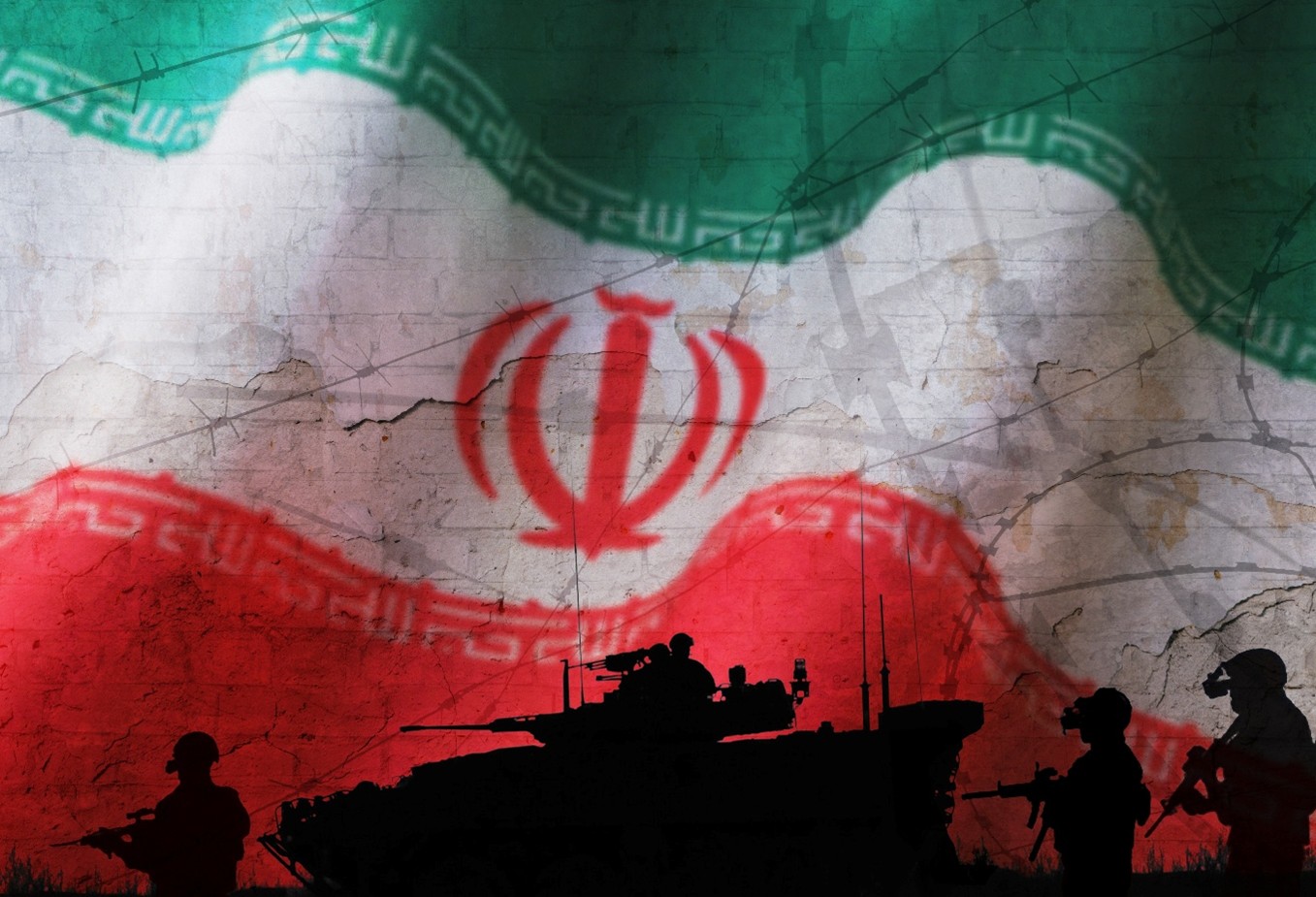
The ongoing Middle East conflict has significant implications for many insurance issues facing policyholders. In the first of a two-part series, our partners Julian Teoh and Chris Wilkes highlight areas of concern for downstream policyholders outside of the conflict zone, and what these potentially affected policyholders should be looking out for.
Physical Damage Insurance
The effective closure of the Strait of Hormuz and Iranian attacks on energy infrastructure across the Middle East has resulted in a shortage of oil and gas and a spike in energy and related prices.
Energy price spikes are already translating into significant increases in the costs of reinstatement and rebuilding property which has been damaged.
- Petroleum-based materials such as waterproof membranes, paint and sealants have become more expensive as oil prices surge.
- Increased costs of insurance and shipping (due to increased fuel costs and the need to take longer routes to avoid the warzone) will also be baked into the end price of building materials.
- Large cranes consume large amounts of fuel. Coupled with labour shortages, crane hire rates have increased significantly since the start of the conflict.
- Energy costs feed directly into the cost of raw materials e.g. steel and aluminium, not to mention inflation causing a general increase in prices across the board, plus shortages of supply compounding price increases (and delay in supply).
The impact on supply chains is also likely to be severe, leading not only to increased direct costs, but also prolonged time scales for deliveries leading in turn to time inflation and related indirect costs.
It would be prudent for policyholders and their brokers to re-examine their physical damage sums insured under property, machinery and construction policies to reflect these issues. Policy average / under-insurance clauses can be applied even in partial loss situations, proportionately reducing any indemnity due under the policy.
Business Interruption and Increased Costs of Working Cover
Most operational policies contain cover for business interruption following damage and increased costs of working (ICW). In short, ICW are the additional costs incurred by the policyholder to mitigate BI losses (which may be highly relevant if there are delays in the supply of components or materials).
ICW cover is subject to various tests, including the “economic test”: the increase in costs must be less than the reduction in turnover due to the incident (i.e. the saving must exceed the cost of the additional expenses). In other words, uneconomic expenditure will not be covered.
Where the costs of inputs are spiking, it would normally be more difficult to pass this economic test. Policyholders will need to consider the interaction between cost and time-related savings when considering such mitigating measures.
Business Interruption (BI) Insurance
Non-Damage BI Extensions
Many BI policies contain non-damage BI extensions, i.e. they allow the policyholder to make a BI claim even where there has not been damage at the policyholder’s premises. Most relevant to the current conflict would be:
- Suppliers’ extensions: BI resulting from supply chain disruptions at suppliers.
- Denial of access: BI resulting from an inability to access the policyholder’s premises.
- Public authority order: BI resulting from an order from a civil or military authority.
The coverage triggers for these extensions is usually damage, whether at the premises of the supplier, within a certain radius of the policyholder’s premises or which has caused the authority to issue the order. But this is not inevitably the case. Especially in bespoke wordings, the coverage triggers may be far more permissive, and policyholders are encouraged to review their non-damage BI extensions.
Where the coverage triggers are damage-based, the policy’s war risks exclusion will also come into play. While these exclusions can be quite comprehensive, we would encourage policyholders to review the wordings carefully and seek advice on whether or not the exclusion applies.
Adequacy of BI Indemnity Periods
The BI indemnity period is the period for which the insurer agrees to indemnify the policyholder during which the interruption to business is ongoing.
If, for example, the policy BI indemnity period lasts for 12 months but the interruption persists for 18 months, the insurer is required to pay an indemnity for only 12 months. The policyholder would not enjoy any cover for its BI losses for the last 6 months.
If the conflict is prolonged and materials are in short supply and/or cannot be shipped to the premises in a timely manner due to the conflict or the knock-on effects, this may result in the interruption period extending beyond the policy’s BI indemnity period. In situations where critical parts of complex machinery are needed for the business to resume and are difficult to source in a timely manner, the shortfall between the indemnity period and the duration of the interruption will come into sharp focus.
Authors
Julian Teoh, Partner
Chris Wilkes, Partner
Other news
For better(ment) or for worse?
Allegations of “betterment” arise frequently in property claims, particularly where roofs, façades, cladding or other…
You may also be interested in: